
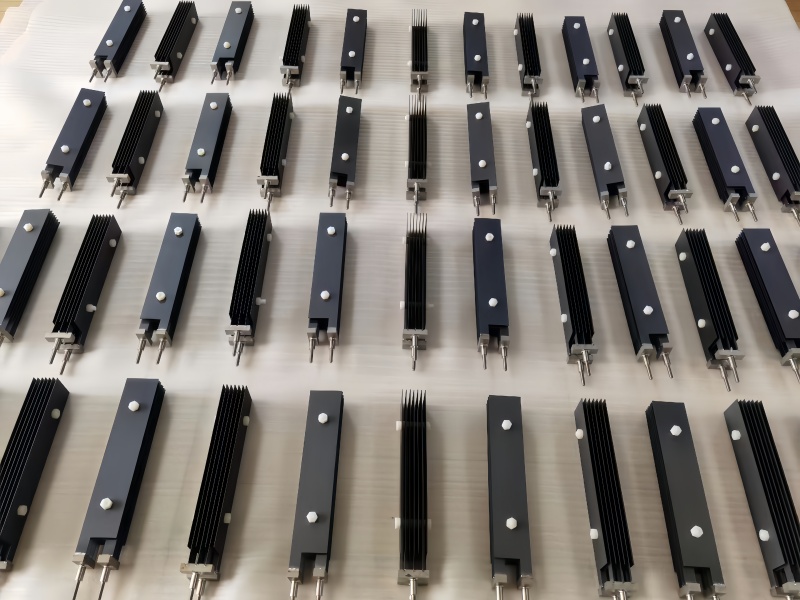
Speaking of titanium anodes, as professionals in the titanium and titanium alloy industry, we are quite confused, let alone novices.
Firstly, what is a titanium anode? The explanation given in the textbook is that titanium anodes, especially size stable anodes based on titanium and coated with precious metal oxides on the surface, are the core electrode materials in modern electrochemical industry. Still confused, even more confused.
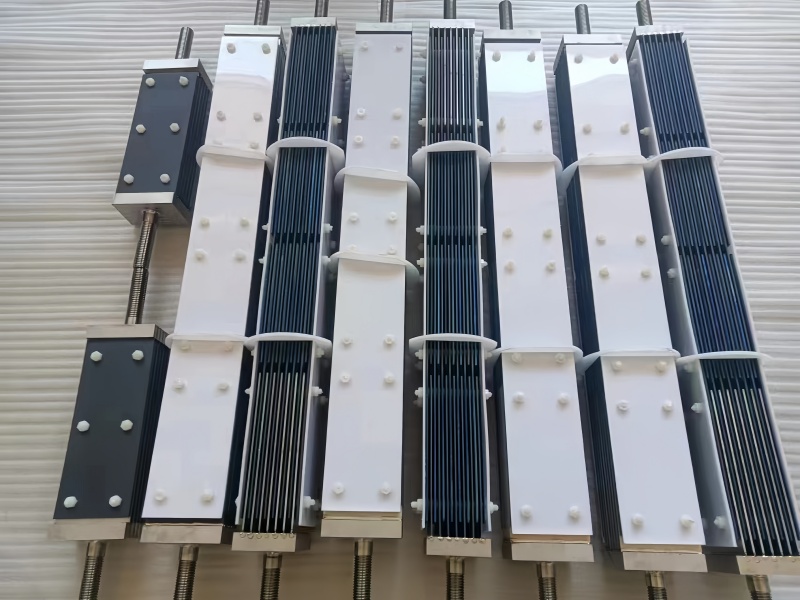
Let's explain it in an understandable way (middle school chemistry principles) that titanium anode is a high-performance electrode with titanium as the skeleton and a precious metal oxide coating on the surface. During the electrolysis process, it specifically serves as the anode (positive electrode) responsible for the occurrence of oxidation reactions.
About the application scenarios of titanium anodes and the commonly used titanium anodes that we often come into contact with:
1. Water Treatment and Environmental Protection
Electrolytic saltwater produces sodium hypochlorite, which is used for disinfection of swimming pools, tap water, and sewage treatment;
Advanced electrochemical oxidation is used to degrade recalcitrant organic pollutants in wastewater.
The function of titanium anode: The anode produces strong oxidizing substances.
The main coating is ruthenium (RuO ₂) based coating
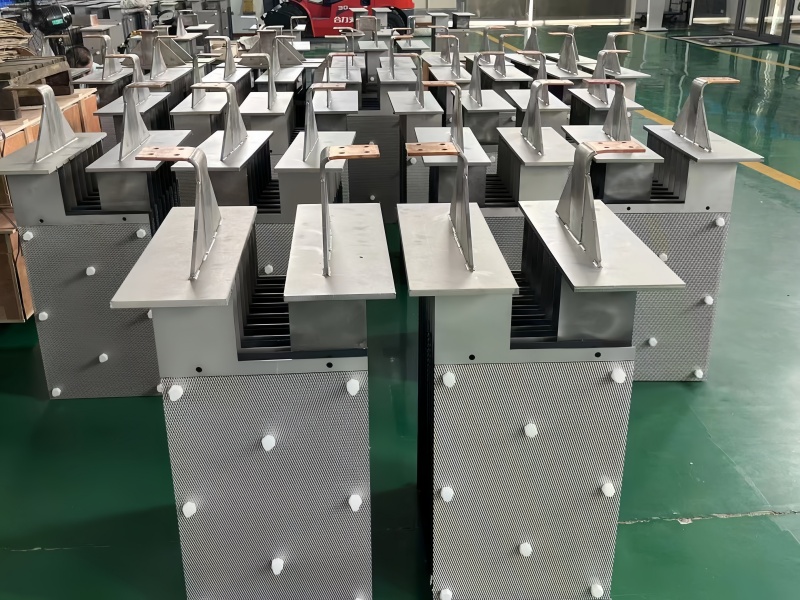
2 Chlor alkali industry
Electrolyze salt water to produce chlorine gas (Cl ₂) and caustic soda (NaOH).
Oxidation of chloride ions (Cl ⁻) to chlorine gas on the anode.
The main coating is a ruthenium iridium hybrid (Ru Ir) coating.
The following will focus on the manufacturing process of titanium anodes, which is a multi-step, precision controlled process that emphasizes the pre-treatment of the titanium substrate and the uniform and firm adhesion of the precious metal coating.
Selection and Shape of Titanium Matrix
The commonly used substrate is industrial pure titanium (TA1 or TA2), with high purity and few impurities, which is beneficial for coating adhesion and corrosion resistance. According to application requirements, the substrate can be made into plate-like, mesh (punched or stretched mesh), tubular, rod-shaped or porous structures.
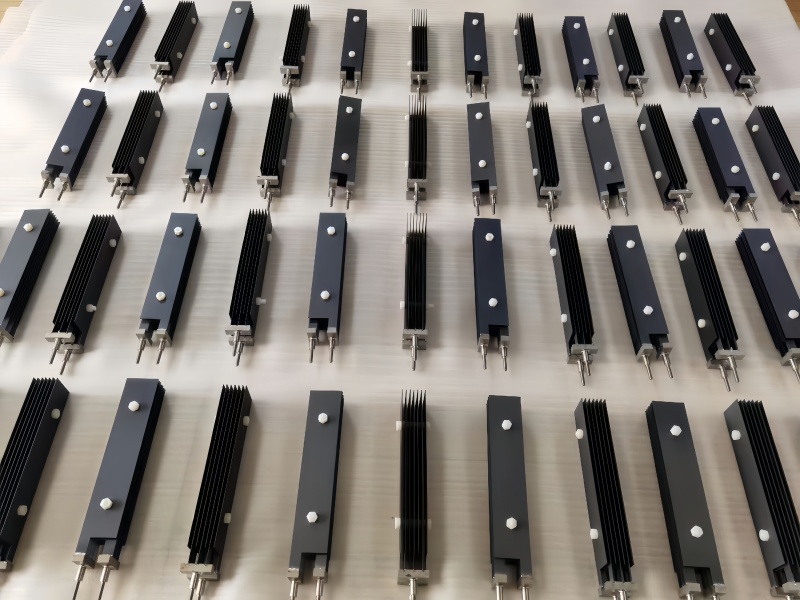
2. Surface pretreatment of titanium substrate
The surface pretreatment of titanium substrate is the key to determining the adhesion and lifespan of coatings.
Acid etching: oxalic acid is commonly used to further roughen the surface and remove oxide scale, forming a micro rough structure.
Sandblasting treatment: Sandblasting process increases surface roughness (Ra is usually controlled within a certain range) and expands the contact area.
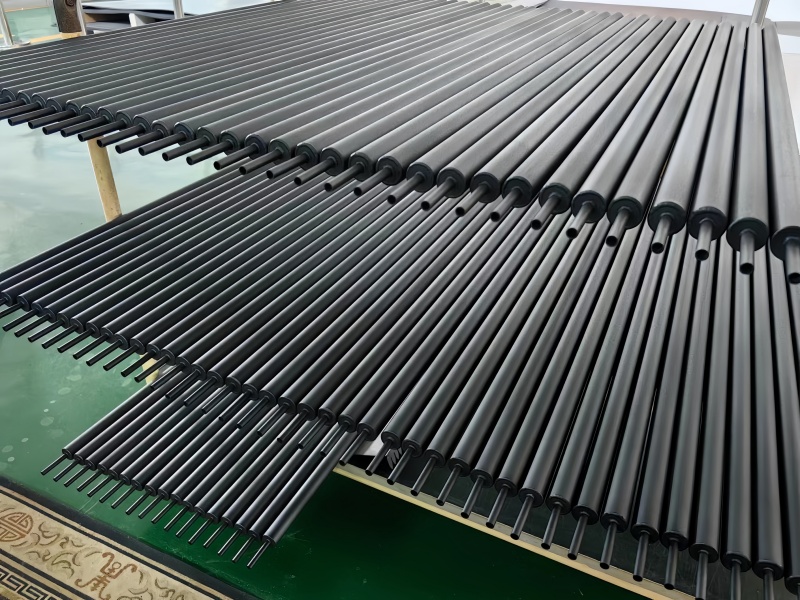
Cleaning and drying: After ultrasonic cleaning with deionized water, dry for later use.
Three precious metal active coatings are mostly mixed precious metal oxides, and common precious metals are as follows:
Mainly composed of RuO ₂, often combined with IrO ₂ and TiO ₂ (such as Ru Ir Ti system), used for chlor alkali and hypochlorite production.
Mainly composed of IrO ₂, often combined with Ta ₂ O ₅ (Ir Ta system), used for metal electrodeposition, water treatment, and electrolysis of water.
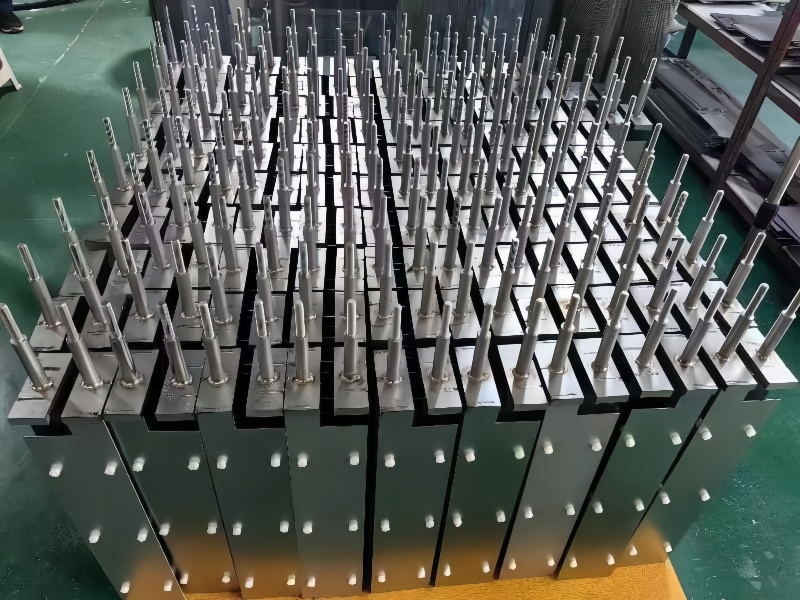
The mainstream preparation method for coatings of 4 precious metals is: thermal decomposition coating:
Preparation of coating solution: Dissolve precious metal salts (such as chloroiridic acid, ruthenium trichloride) and additives in organic solvents such as n-butanol and isopropanol.
Coating: Brush coating, spray coating or dip coating are used to evenly cover the substrate.
Drying: Low temperature drying at 100-200 ℃ to remove solvents.
Sintering: High temperature sintering at 400-550 ℃ for 10-20 minutes to allow the oxide to crystallize and bond with the matrix.
Repeat the coating drying sintering cycle (usually 10-30 times) until the target coating is achieved.
Final sintering: Extend the insulation time appropriately to form a stable solid solution structure.
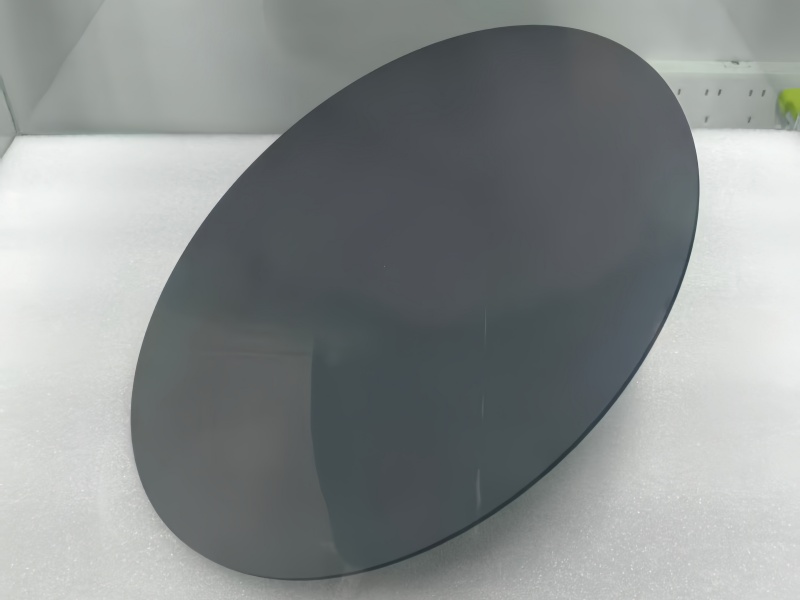
The trade volume of titanium anodes in the market will continue to increase after 2024. The production process of titanium anodes is becoming increasingly mature. The process has evolved from traditional industrial electrodes to high-performance electrocatalytic materials that can be precisely designed. It continues to drive the evolution of electrochemical processes towards high efficiency, cleanliness, and sustainability. With the increasing demand for new energy and environmental protection, titanium anode technology will usher in a broader development space.
 +86-0917-3217876
 18292732691
 No. 28, Middle section, Baoti Road, Weibin District, Baoji, Shaanxi
 marketing@ymdtitanium.com
 www.ymdtitanium.com


 English
 简体中文

 18292732691
 marketing@ymdtitanium.com
 zyh2968808781
 +86 18292732691
 .cid.b0f8e930cd0ba28e
