
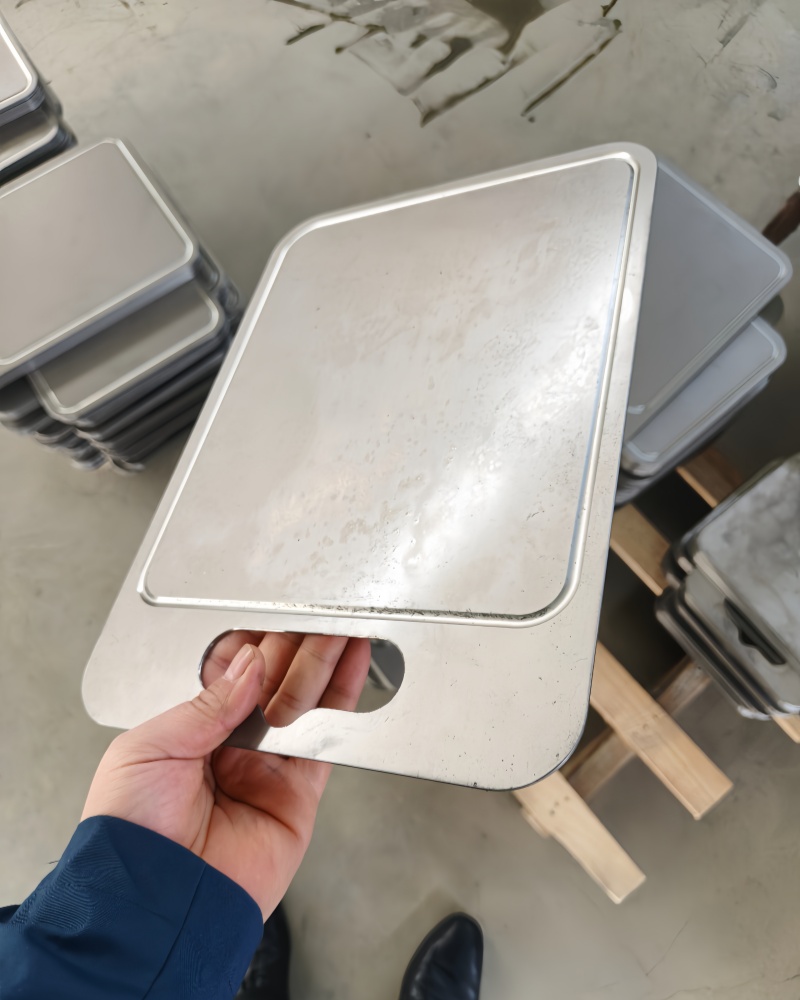
I've been having a headache lately, exporting titanium cutting boards and tableware to Germany. Being overwhelmed by the "EU PPWR" and "Packaging EPR", I don't know whether or not to register, how much it will cost, and how to handle it to avoid pitfalls.
Starting from August 12, 2026, the European Union's Regulation (EU) 2025/40 on Packaging and Packaging Waste (PPWR) will be fully applicable, replacing the previous Packaging Directive (94/62/EC). This is a directly applicable EU regulation that unifies packaging requirements across 27 member states, covering the entire lifecycle of packaging design, harmful substance restrictions, conformity assessment, labeling, recyclability, and extended producer responsibility (EPR).
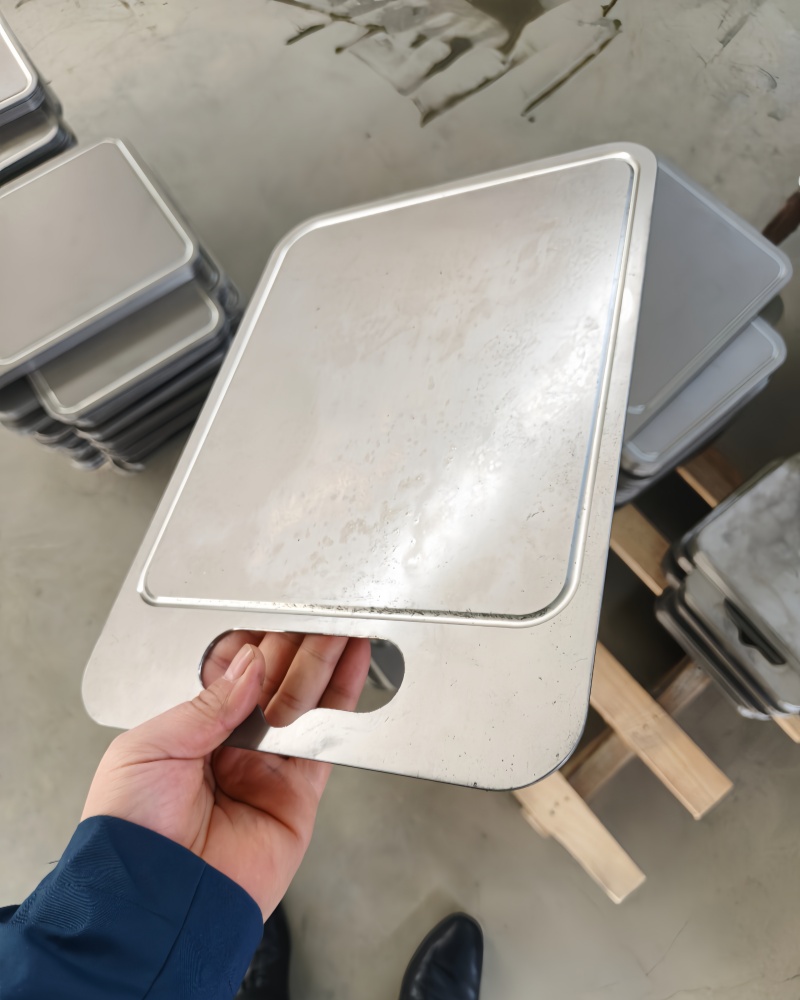
The core requirements of PPWR that have come into effect (applicable from August 12, 2026) are not fully implemented in one go, but the following have been enforced:
Harmful substance restrictions: The total amount of lead, cadmium, mercury, and hexavalent chromium in packaging shall not exceed 100 mg/kg. PFAS (perfluorinated and polyfluoroalkyl substances) in food contact packaging are strictly limited (individual non polymer PFAS ≤ 25 ppb, total PFAS ≤ 250 ppb, total fluorine content threshold, etc.). If pure titanium cutting board packaging uses ink, adhesive or coating, it needs to be carefully inspected.
Conformity assessment and documentation: Manufacturers (or importers) must conduct an internal production control based conformity assessment, prepare technical documentation, and issue an EU declaration of conformity. The documents need to be prepared before the product is launched on the market, with disposable packaging retained for 5 years and reusable packaging retained for 10 years.
Identification requirements: The packaging must indicate the model, batch, or serial number for traceability purposes; Manufacturer name, registered trademark, postal address, and electronic contact information.
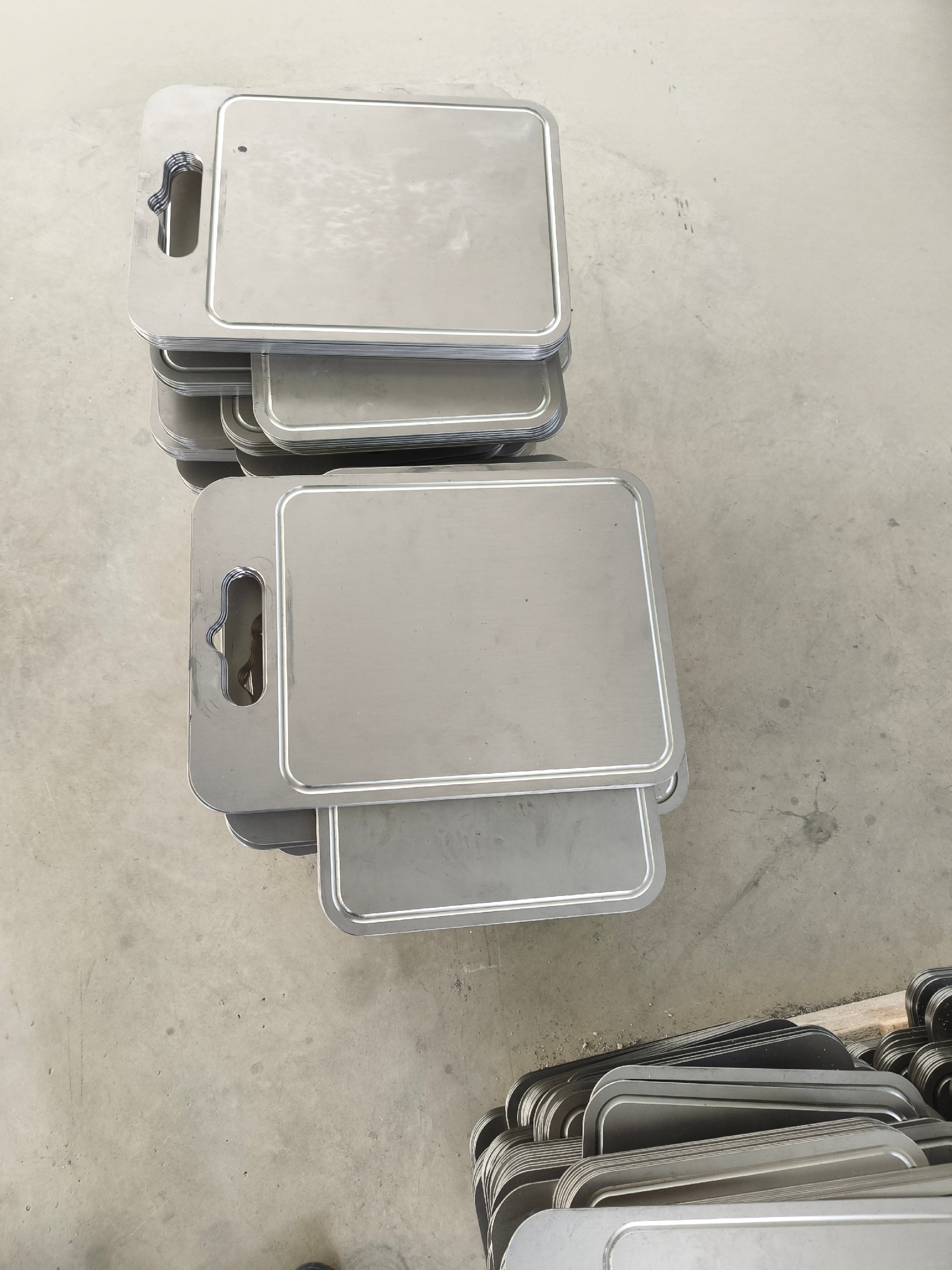
Special compliance points for exporting pure titanium cutting plates to Germany
Pure titanium cutting plates (usually high-purity titanium such as TA1/TA2) have advantages such as biological inertness, no nickel chromium precipitation, antibacterial properties, and no production of microplastics, making them highly safe for food contact.
Special attention should be paid to the compliance of food contact materials: The European Union does not have fully unified specific measures and regulations for metals/alloys, mainly based on the General Principles of (EC) No 1935/2004, Good Manufacturing Practice (EC) No 2023/2006, and the European Pharmacopoeia Commission (EDQM) Technical Guidelines for Metals and Alloys in Food Contact (latest version). Titanium itself usually has no specific release limit (SRL), but impurity element migration (such as lead, cadmium, etc.) still needs to be tested. The German market strongly recommends passing LFGB testing (sensory testing+transfer testing), which is the "gold standard" for buyers and platforms.
Packaging compliance: The sales packaging, inner packaging, and outer box of the cutting board are all subject to PPWR constraints. If the packaging comes into contact with food or claims to be food grade, PFAS restrictions apply directly.
Responsible party: If Chinese exporters sell directly to German consumers or platforms (such as Amazon), they are often regarded as "producers"; If through a German importer, the importer bears the primary responsibility, but the exporter still needs to provide complete supporting documents.
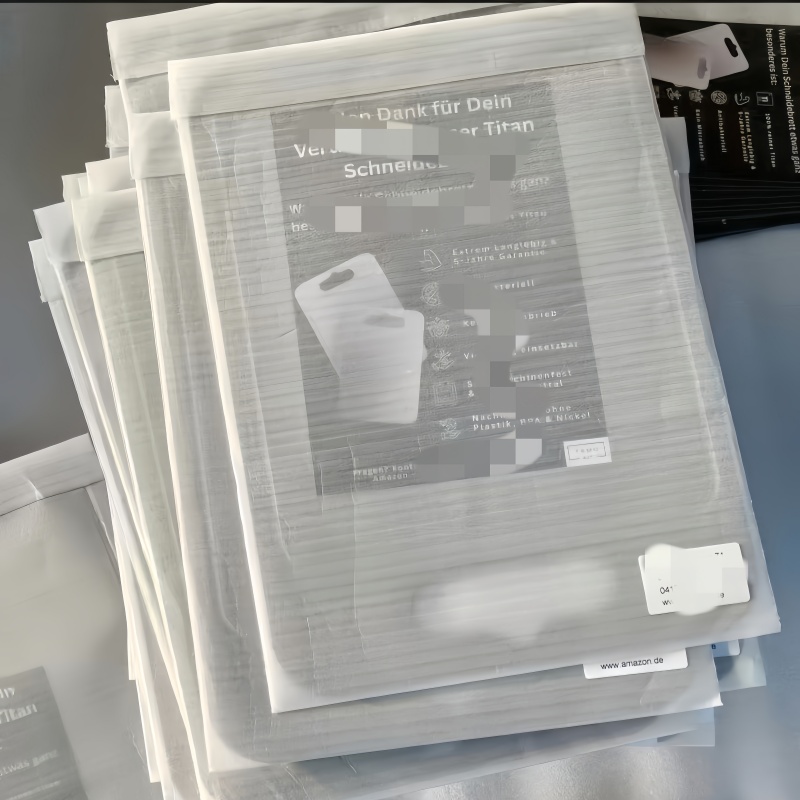
List of Core Materials to be Prepared for Processing
It is recommended to prepare according to the three categories of "product itself+packaging+market access", retain all electronic and paper versions, and ensure that they can be provided to the German market supervision agency or customs at any time.
1. Product (pure titanium cutting board) related
Material certification: titanium grade (TA1/TA2, etc.), composition analysis report (ICP-OES, etc.), purity declaration (avoid using harmful alloying elements that may be contained in recycled titanium).
Declaration of Conformity for Food Contact (DoC): issued in accordance with (EC) No 1935/2004, specifying applicable conditions and usage restrictions.
Third party testing report: LFGB full item (or equivalent EDQM guideline testing, including transfer testing, sensory testing); Migration of heavy metal/impurity elements. Traceability information: batch number, production date, supplier declaration.
2. Packaging related (PPWR core)
EU Declaration of Conformity (DoC): According to the Annex VIII template, a declaration specifying the packaging type (sales/transport packaging), material composition, whether it comes into contact with food, and meets the requirements of Articles 5-12 of the PPWR, signed by the manufacturer.
3. The German market is related to EPR
LUCID registration number: Completed registration at the Zentrale Stelle Verpackungsregister in Germany.
Dual system participation contract: Sign a contract with an approved recycling system and declare the packaging weight (classified by material).
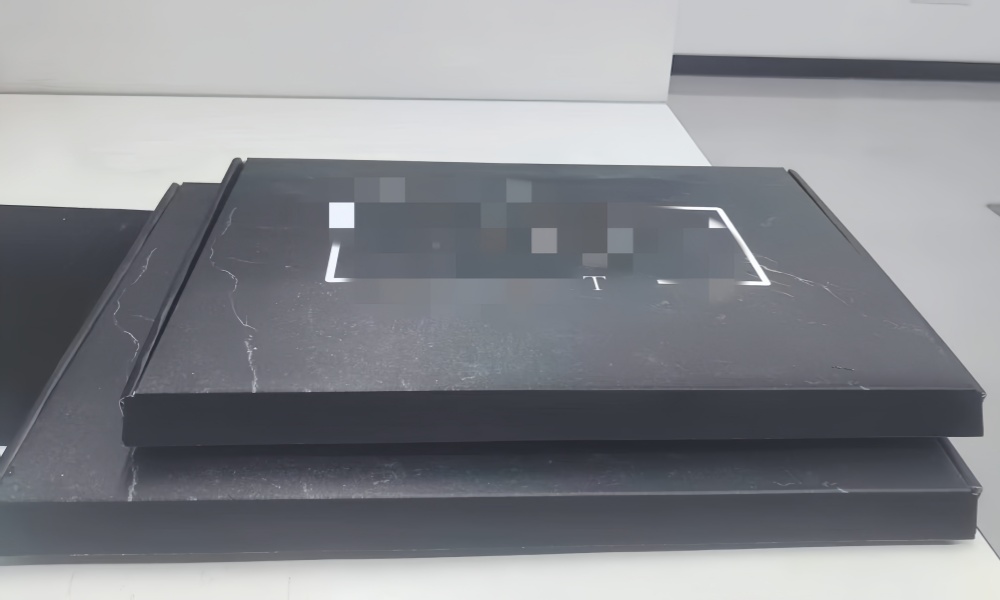
Application Guide (Practical Steps)
1. Confirm the responsible party and role: clarify whether you are the manufacturer, importer, or authorized representative. When selling directly to German consumers across borders, LUCID registration usually needs to be completed by oneself or through a representative.
2. Complete product and packaging testing (recommended 3-6 months in advance):
Choose a laboratory with CNAS/ILAC qualifications and familiarity with EU/German requirements (capable of simultaneously conducting LFGB+PPWR related projects).
Key testing for heavy metals and PFAS in packaging; The product focuses on metal migration and sensory perception.
3. Prepare technical documents and DoC:
Organize technical files according to Annex VII (internal evaluation is sufficient, no need to notify the organization).
Issue a DoC according to Annex VIII and continuously update it.
Document language: It is recommended to prepare German/English versions for easy reference by German authorities.
4. Apply for LUCID registration and EPR in Germany:
Visit verpackungsregister.org (LUCID portal) to register for a free producer account and submit company master data, brand name, tax number, etc.
5. Export and customs clearance preparation:
Ensure necessary labeling on the packaging (manufacturer information, batch number).
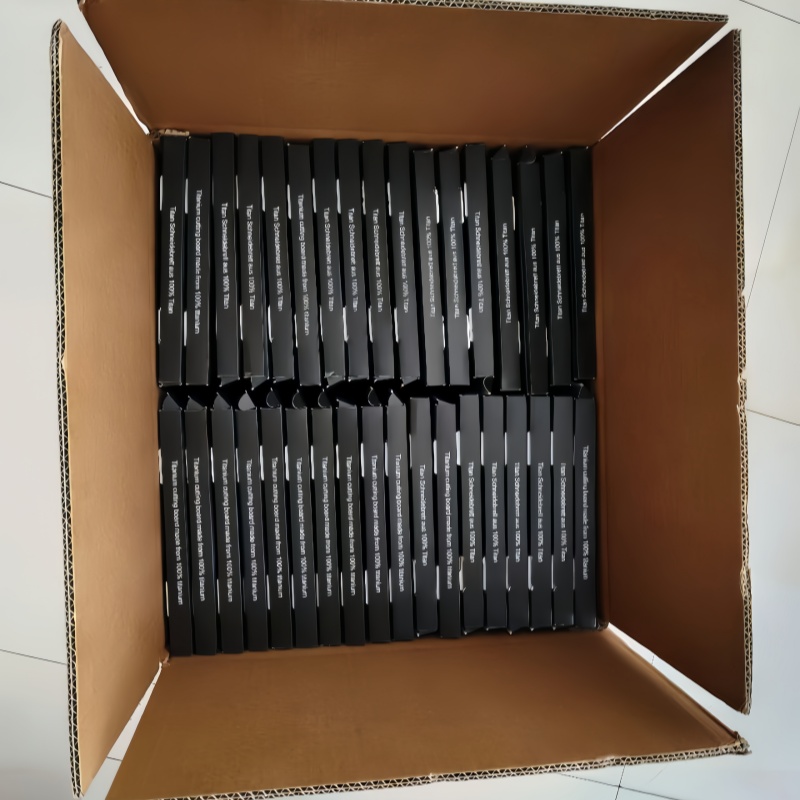
Provide DoC and technical document summaries along with the goods or electronically.
The easiest point to fall into: focusing only on the product itself and ignoring the packaging DoC and LUCID; Use ink/coating containing PFAS; Incomplete documents led to the failure of market supervision spot checks.
Cost reminder: Testing and document preparation are the main initial investments; LUCID registration itself is free, but the dual system refund fee is calculated based on weight.
The goal of PPWR is to promote a circular economy and reduce packaging waste. For us as an export enterprise, establishing a complete technical file and supply chain traceability system as soon as possible can not only smoothly enter the German market, but also lay the foundation for future sales in other EU countries.
 +86-0917-3217876
 18292732691
 No. 28, Middle section, Baoti Road, Weibin District, Baoji, Shaanxi
 marketing@ymdtitanium.com
 www.ymdtitanium.com


 English
 简体中文

 18292732691
 marketing@ymdtitanium.com
 zyh2968808781
 +86 18292732691
 .cid.b0f8e930cd0ba28e
