On July 16th in Baoji, the noon sun made the exterior walls of the processing workshop scorching hot. A mid year emergency drill covering the entire process is quietly underway - without pre rehearsed scripts or pre-set dialogue, what is needed is to test the company's most authentic emergency response capabilities.
At 2:17 pm, a black smoke suddenly emerged from the corner of the lathe in the machining workshop, and the smoke became increasingly thick. The workshop staff did not panic at all. They immediately pressed the emergency stop button next to the workstation, cut off the power, reported the danger to the workshop director, and pressed the fire alarm. The entire process took less than 18 seconds. And this scene is precisely the "fire" deliberately directed by the emergency command center - in the past, most drills used advance warning scenes, and in reality, the risks in titanium processing plants often appear sudden and unpredictable.
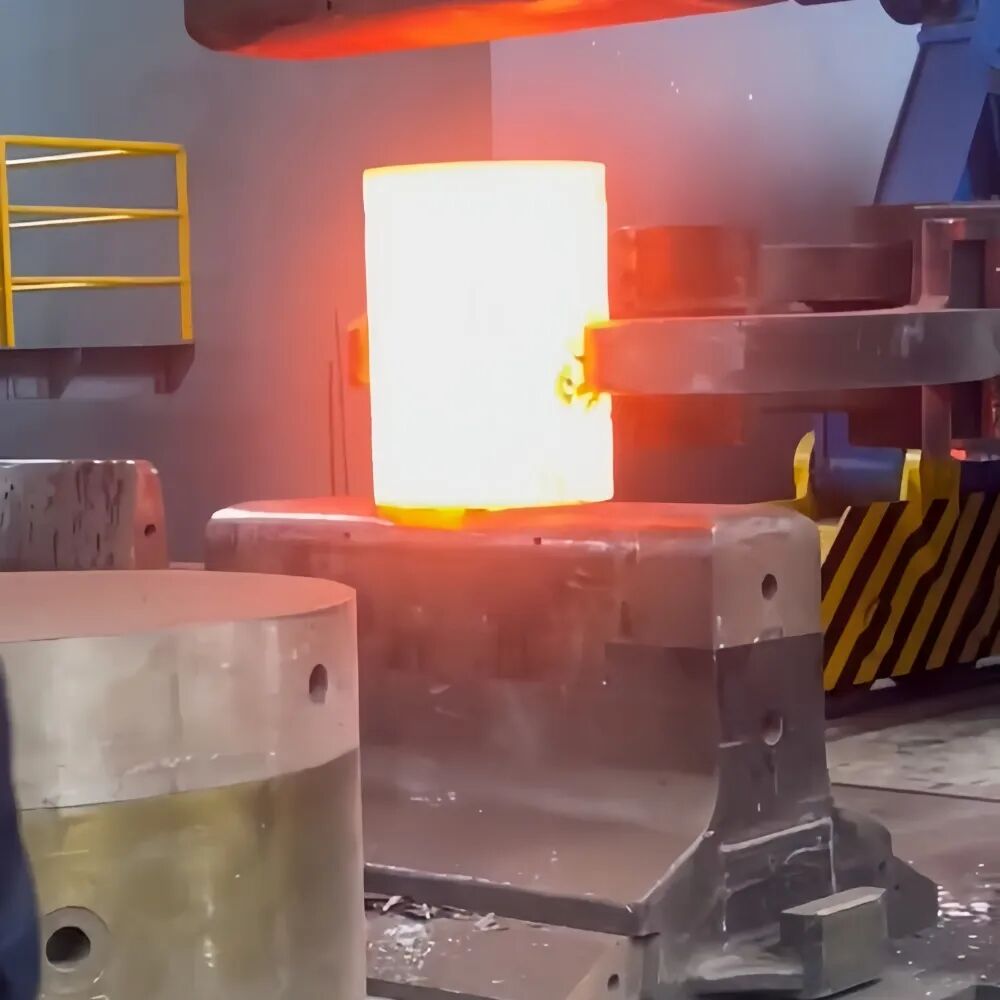
After receiving the reported information, the company's emergency command center immediately activated emergency response. Six part-time firefighters acted synchronously according to the plan. Carry the Class D dry powder extinguisher to the smoking place at the first time, without water or ordinary foam extinguishing agent - this is the core taboo of titanium fire disposal. Once the high-temperature titanium chips are put out with water, it is very likely to cause severe hydrogen explosion. The team members covered the smoking area with dry sand and controlled the initial fire in less than 2 minutes.
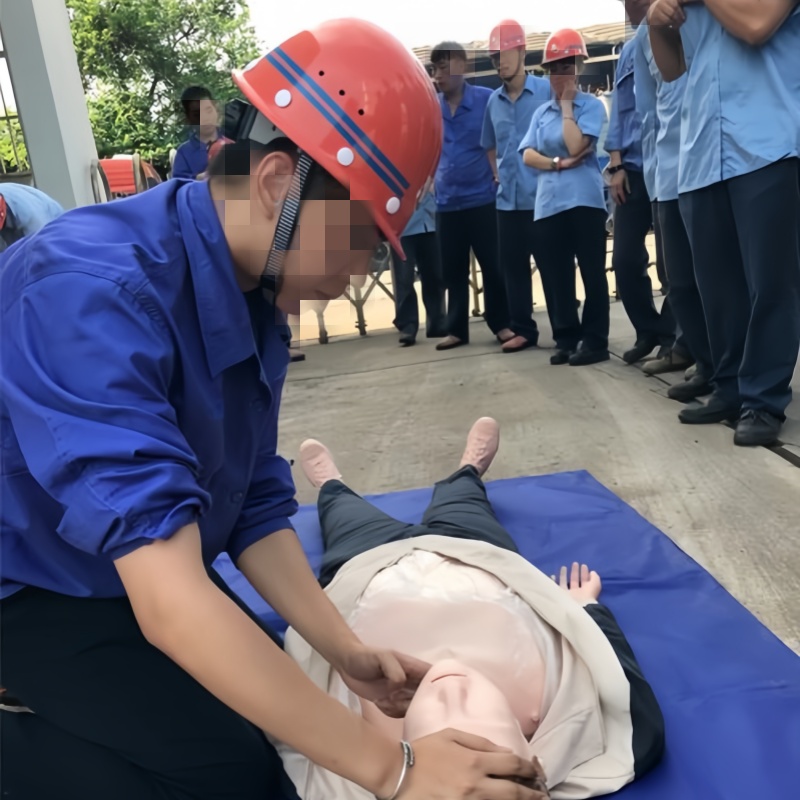
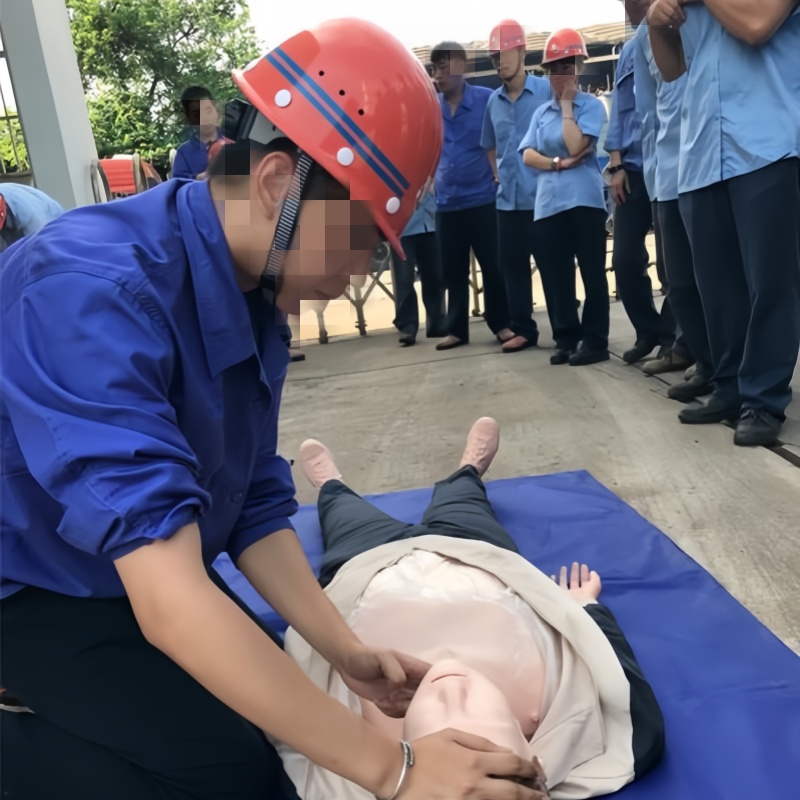
The security team guided 32 employees in the workshop to bend down and evacuate along two escape routes, and specially arranged team members to "assist" employees who were uncomfortable due to smoke inhalation. There was no crowding or confusion during the entire process, and all personnel evacuated to the safety gathering point within 19 minutes and 15 seconds and counted the number of people. The medical team conducted simultaneous treatment of an "injured person" in the emergency area temporarily set up next to the assembly point. The employee who simulated suffocation caused by inhaling thick smoke completed cardiopulmonary resuscitation within the golden 4 minutes, and the entire process fully complied with the emergency plan formulated by the company.
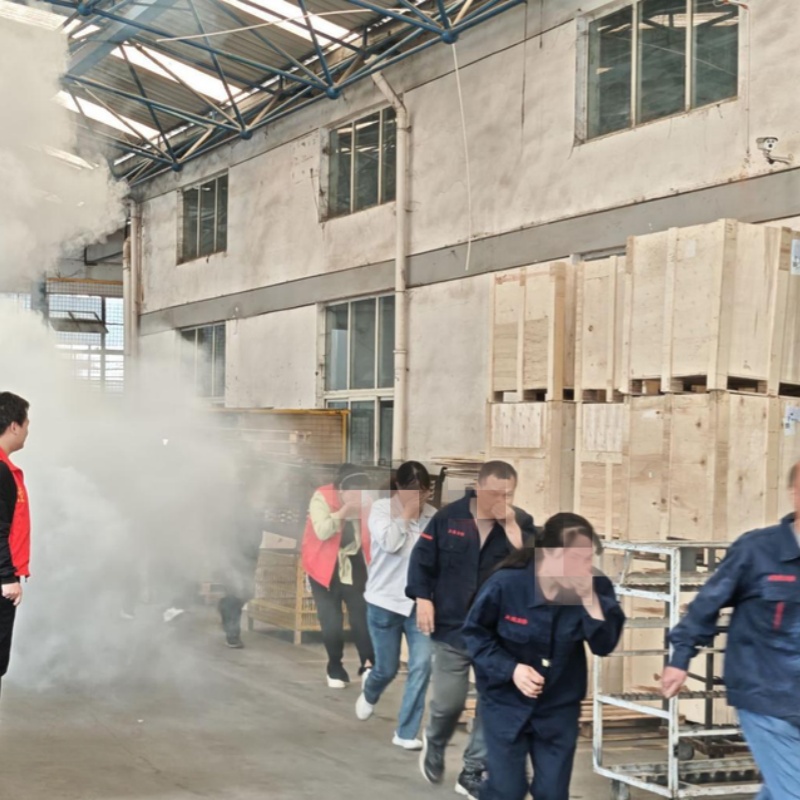
There was no disconnection in the entire disposal process, and there was no repeated confirmation or delay in waiting for instructions among the teams. It was completely automated according to the daily emergency handling process. This tacit understanding was not formed through rehearsals before the drill, but through muscle memory formed over the years.
After the drill, there was no transition to a "positive result, simple ending" in the review meeting. All frontline employees participating in the exercise need to operate their own dry powder fire extinguishers once to participate in firefighting. And each employee needs to learn the operation skills of "artificial respiration" from the rescue team.
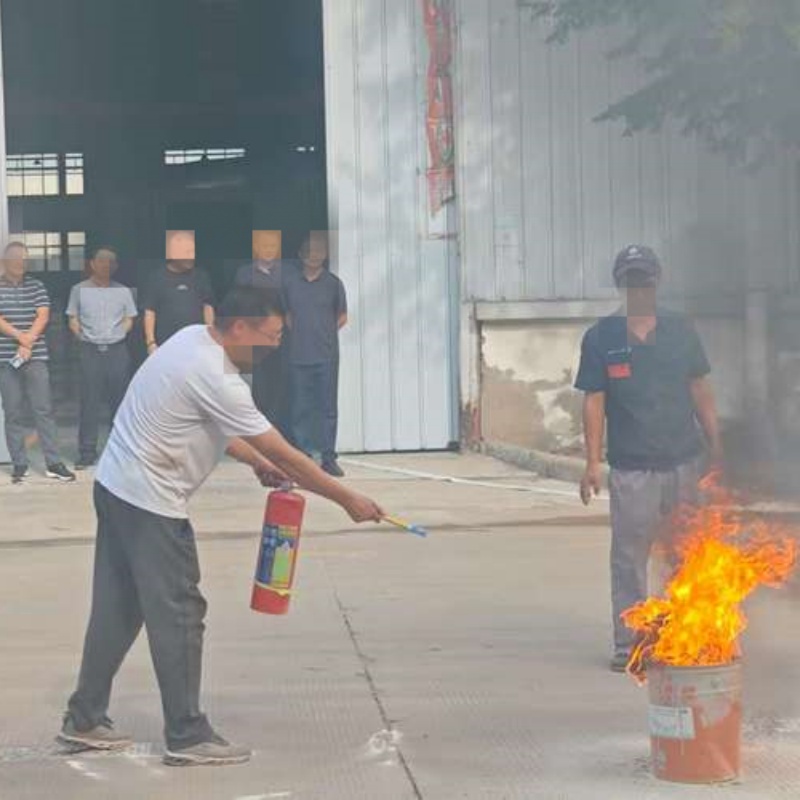
The exercise team finalized the rectification list on the spot in response to the problems that existed on site. Rectify and complete all issues within one week and undergo testing by the exercise command center. All rectification items have clear responsibilities and completion deadlines, and the problems exposed in the drill will never be left in real production. This mid year exercise did not pursue the perfect effect of "zero mistakes", but deliberately set multiple levels with the aim of breaking out of the misconception of "going through the process".
For titanium and titanium alloy production enterprises, emergency drills have never been a form of inspection, but a "safety insurance lesson" for all employees - only by experiencing all possible chaos and omissions in simulated dangerous situations can the most correct disposal actions be taken subconsciously when real accidents occur. The enterprise not only tested the operability of the contingency plan, but also honed the psychological resilience and emergency response skills of employees in emergency situations. Only by practicing and building defenses can we remain calm and provide scientific rescue in the face of real crises, and build a solid defense line for the development of the enterprise and the safety of employees' lives.
 +86-0917-3217876
 18292732691
 No. 28, Middle section, Baoti Road, Weibin District, Baoji, Shaanxi
 marketing@ymdtitanium.com
 www.ymdtitanium.com


 English
 简体中文
简体中文
 18292732691
 marketing@ymdtitanium.com
 zyh2968808781
 +86 18292732691
 .cid.b0f8e930cd0ba28e
