Fireworks titanium powder is an important usage scenario for titanium powder, which is a titanium based powder specifically designed for fireworks and the core material for achieving bright silver white spark effects in fireworks. As early as the 1980s, local enterprises in Baoji were the first to manufacture titanium powder, which was applied to fireworks production by Liuyang Fireworks Enterprise, producing different fireworks effects.

Titanium powder for fireworks has established a comprehensive industry standard system in China, covering technical requirements and testing methods. NY/T 756-2003 "Titanium Powder for Fireworks" is the first industry standard in China specifically designed for titanium powder used in fireworks. It came into effect on March 1, 2004 and specifies the basic technical requirements for titanium powder used in fireworks. For the determination of key indicators: GB/T 22781-2008 "Determination of Key Indicators for Titanium Powder Used in Fireworks and Firecrackers", implemented on September 1, 2009, specifies the detection methods for key indicators such as titanium content, particle size, and impurities.
The common mesh size of fireworks titanium powder is between 80 and 120 mesh, which is suitable for the basic usage needs of most conventional fireworks products. The dazzling white light generated during the combustion of titanium powder is mainly due to the high-temperature heating of TiO2 particles that have become incandescent. The shape of sparks (such as forked tails) is related to the melting and rupture of titanium particles at high temperatures. By indirectly controlling the particle size (mesh), different spark sizes, durations, and trajectories can be obtained.
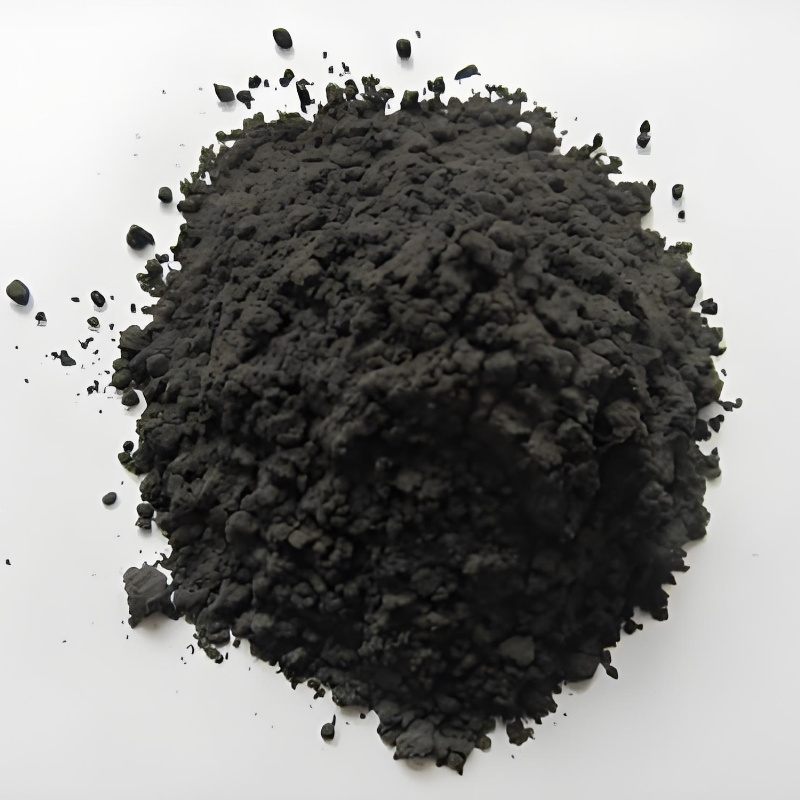
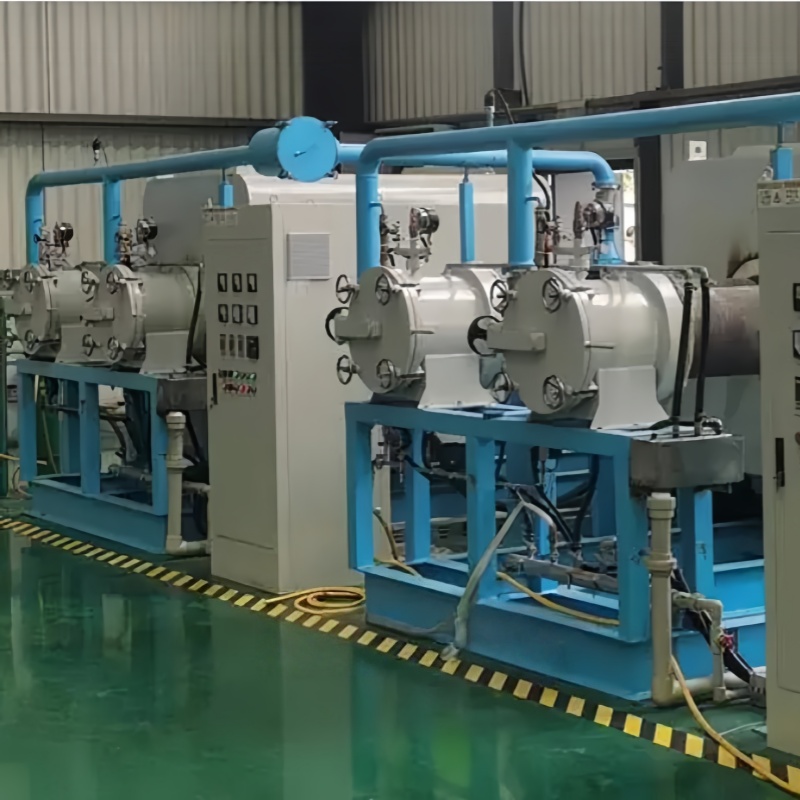
The preparation of fireworks titanium powder mainly involves processing sponge titanium or recycled materials (titanium chips). The current mainstream process is hydrogenation dehydrogenation (HDH), which utilizes the reversible absorption characteristics of titanium for hydrogen gas to produce titanium powder. According to the hydrogen absorbing physical properties of titanium, titanium and its compounds undergo hydrogen absorption at a certain temperature and hydrogen pressure. After hydrogen absorption to a certain extent, titanium undergoes hydrogen embrittlement and is easily crushed by mechanical forces such as ball milling. The powder that is crushed and contains a large amount of hydrogen is called titanium hydride powder. Dehydrogenation of titanium hydride powder under high temperature and vacuum conditions yields pure titanium powder without hydrogen gas. The actual production process is as follows:
Hydrogenation reaction: Utilizing the brittle property of sponge titanium after hydrogen absorption, the hydrogenation reaction is completed at a positive hydrogen pressure and a temperature above 350 ℃ to obtain hydrogenated titanium powder with a hydrogen content of 3.8% ± 0.2%;
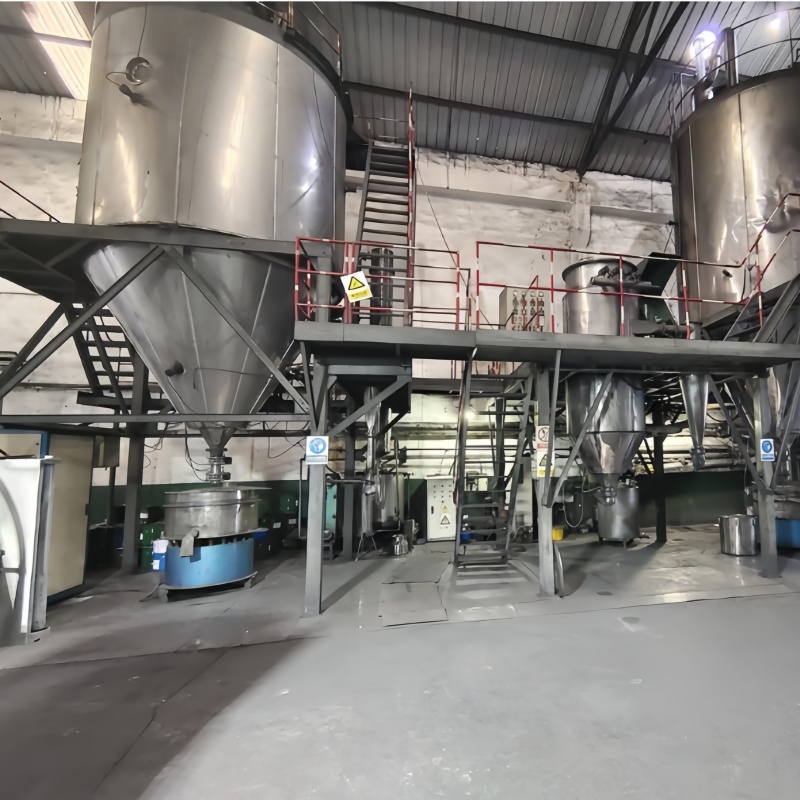
Ball milling and crushing: ball milling and crushing are carried out in a protective atmosphere to avoid contamination and spontaneous combustion;
Vacuum dehydrogenation: Heat up to above 680 ℃ under vacuum conditions and hold for at least 20 hours to complete dehydrogenation and obtain titanium powder.
Classification screening: By using a Taylor system with different mesh sizes, titanium powder is classified according to particle size to produce finished products with different specifications such as 60 mesh, 100 mesh, and 120 mesh.
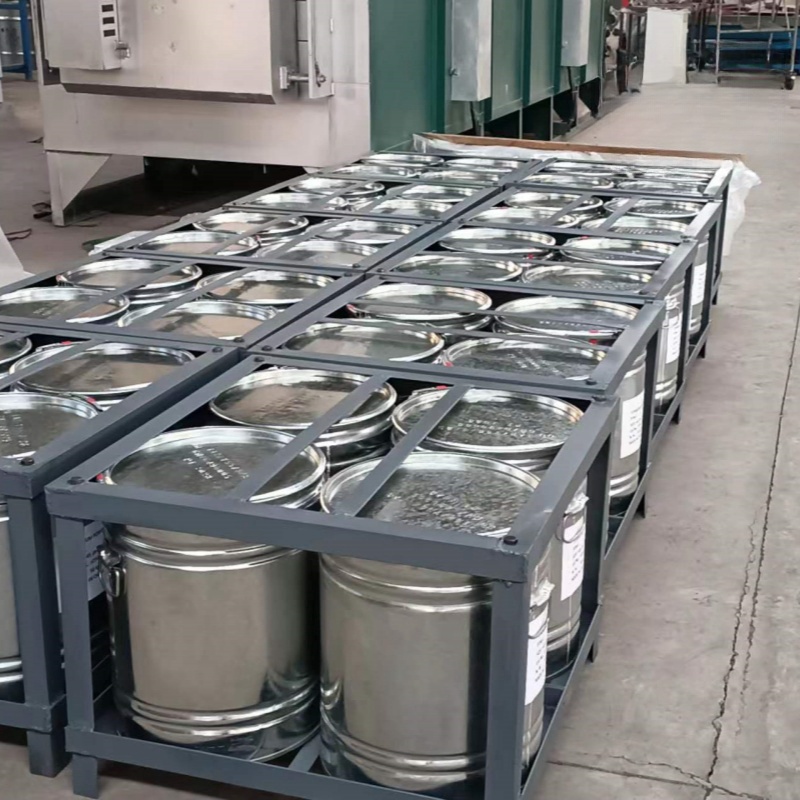
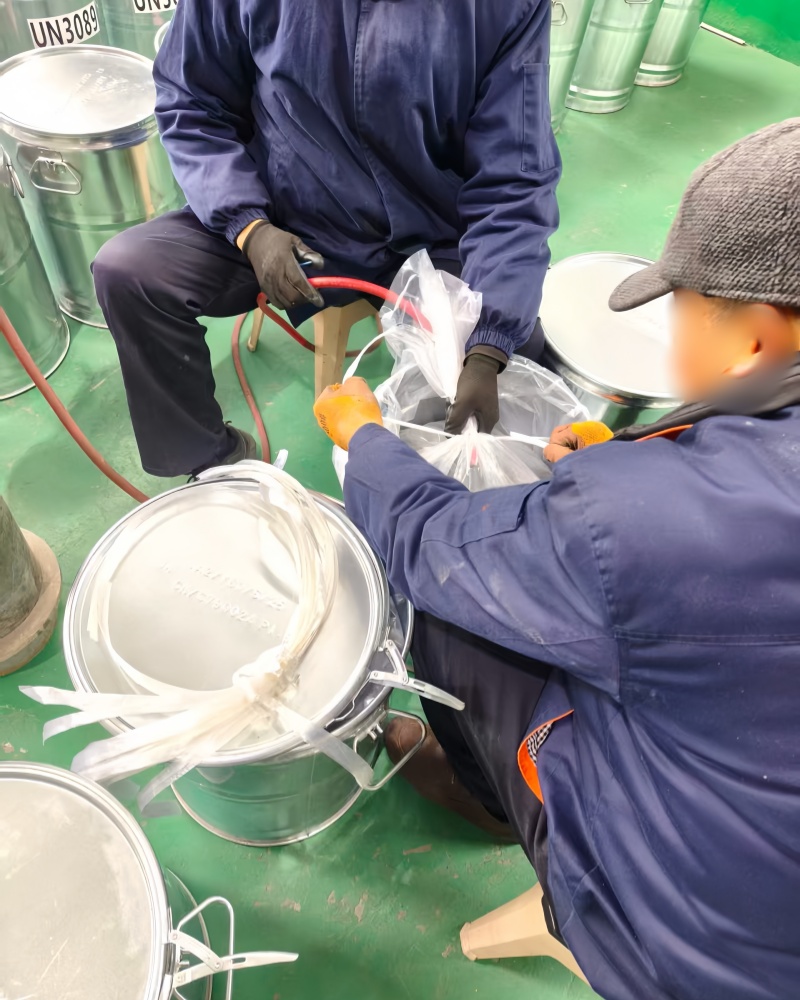
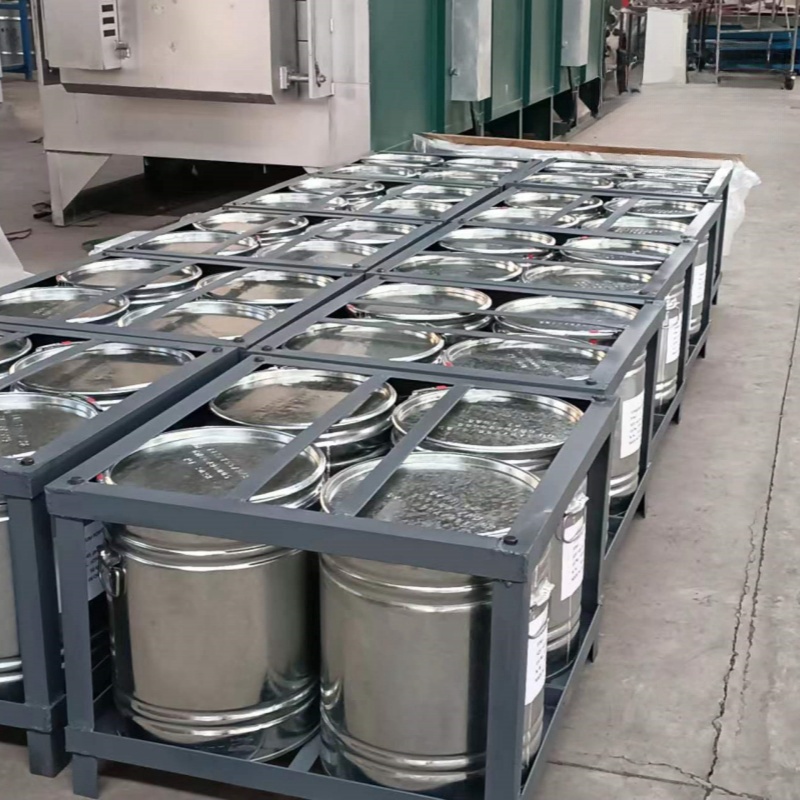
Fireworks titanium powder is classified as a hazardous material due to its high chemical activity and susceptibility to spontaneous combustion. So it is required to use hazardous packaging drums and fill them with inert gas argon as a protective gas in the packaging. The storage environment should be kept cool and dry, with a temperature not exceeding 35 ℃ and a recommended relative humidity controlled within 30%. During operation, open flames must be completely avoided and explosion-proof tools must be used to prevent static sparks.
The fireworks titanium powder industry has already gone through the stage of wild growth and is developing towards refinement, safety, and standardization. In the future, with the implementation of stricter industry standards and the popularization of more advanced quality control technologies, the industry will undergo a reshuffle. In the end, we will see that every grain of titanium powder flying into the night sky, with compliant quality and safe confidence, blooms with the purest and most reassuring light on countless festival nights.
 +86-0917-3217876
 18292732691
 No. 28, Middle section, Baoti Road, Weibin District, Baoji, Shaanxi
 marketing@ymdtitanium.com
 www.ymdtitanium.com


 English
 简体中文
简体中文
 18292732691
 marketing@ymdtitanium.com
 zyh2968808781
 +86 18292732691
 .cid.b0f8e930cd0ba28e
