
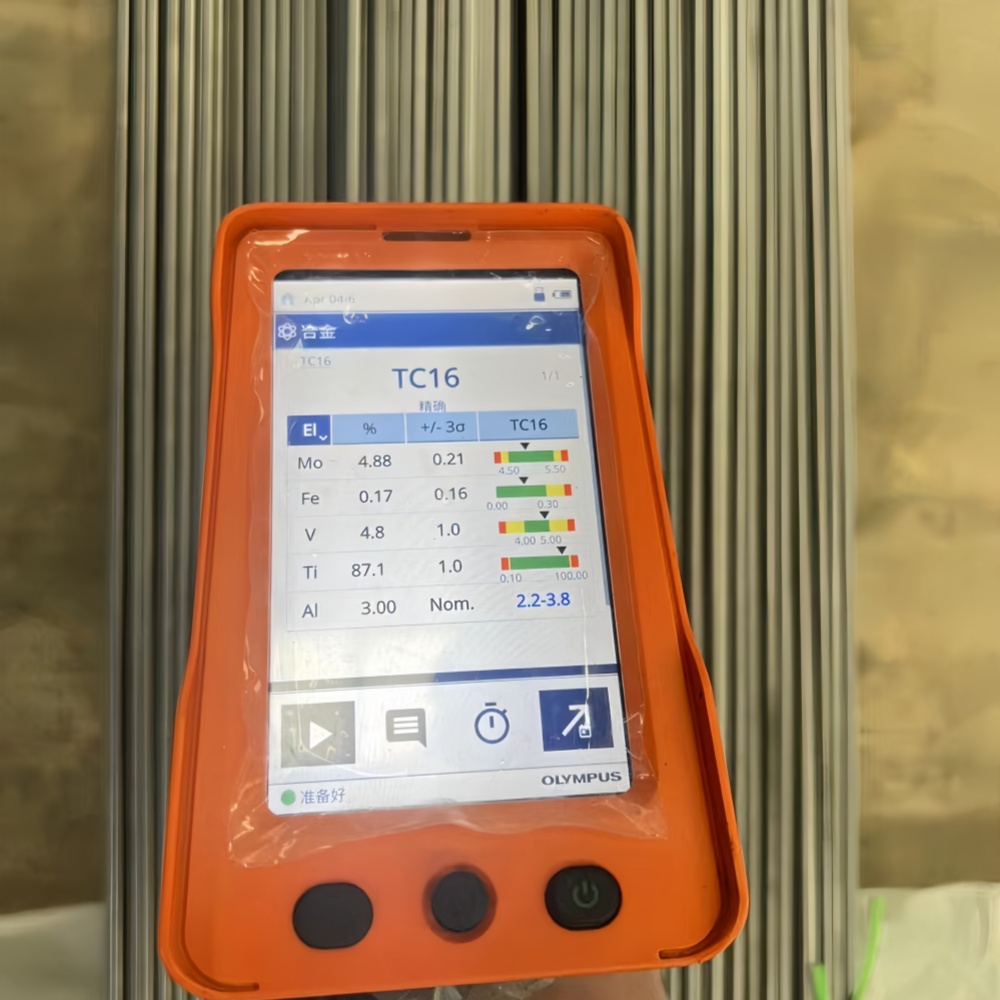
In the modern titanium and titanium alloy production industry chain, from raw material storage, melting and forging, profile processing to finished product delivery. What are you most afraid of? Mixing materials.
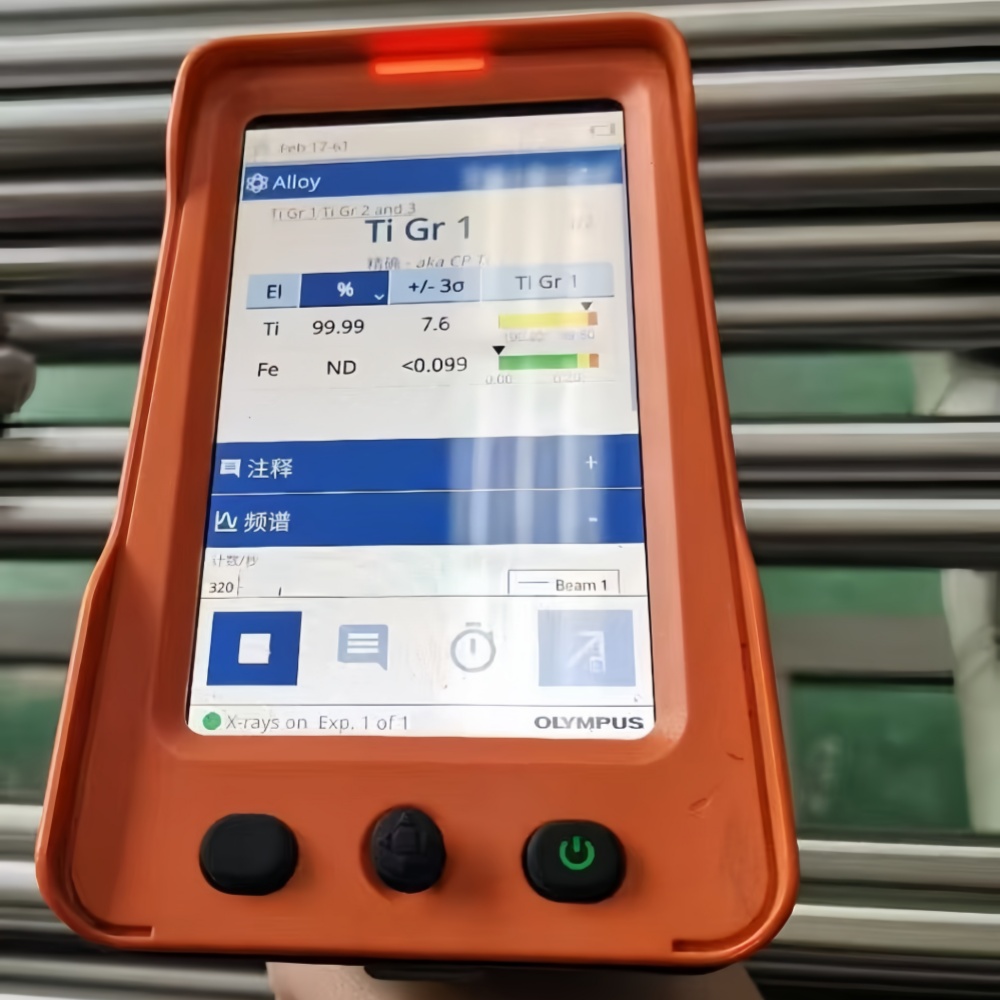
What does' mixed material 'mean? It means mixing different grades of titanium materials together. This is the most taboo thing in the production of titanium and titanium alloys, as terrifying as cancer.
I remember it was fifteen years ago when we discovered mixing during the production of titanium rods.
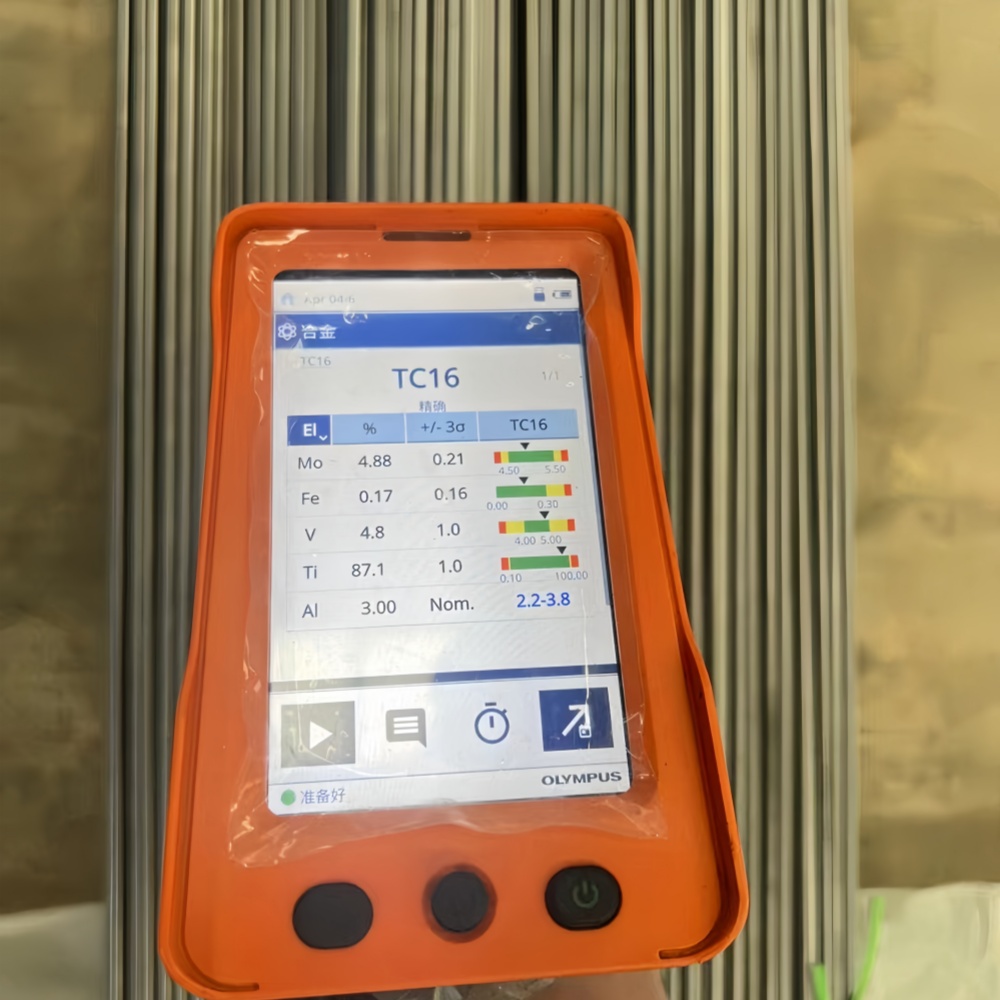
Immediate quality control measures for the entire factory: 1. Stop production throughout the factory. 2. Return finished products in transit. Notify customers of temporarily suspended inventory. Starting from the source titanium ingot (furnace batch number) for verification. Finally, 23kg of titanium material mixture of different grades was found, and five Gr2 pure titanium rods with a diameter of 23 * 3050mm were mixed into Gr5 titanium alloy with a diameter of 23 * 3050mm. Faced with pure titanium (TA1/TA2) and TC4 titanium alloy (Ti-6Al-4V) that have almost identical appearances, the naked eye cannot distinguish them. Only with the help of a spectrometer can the content of Al (aluminum) and V (vanadium) be read out in 1-2 seconds, and the grade can be quickly determined.
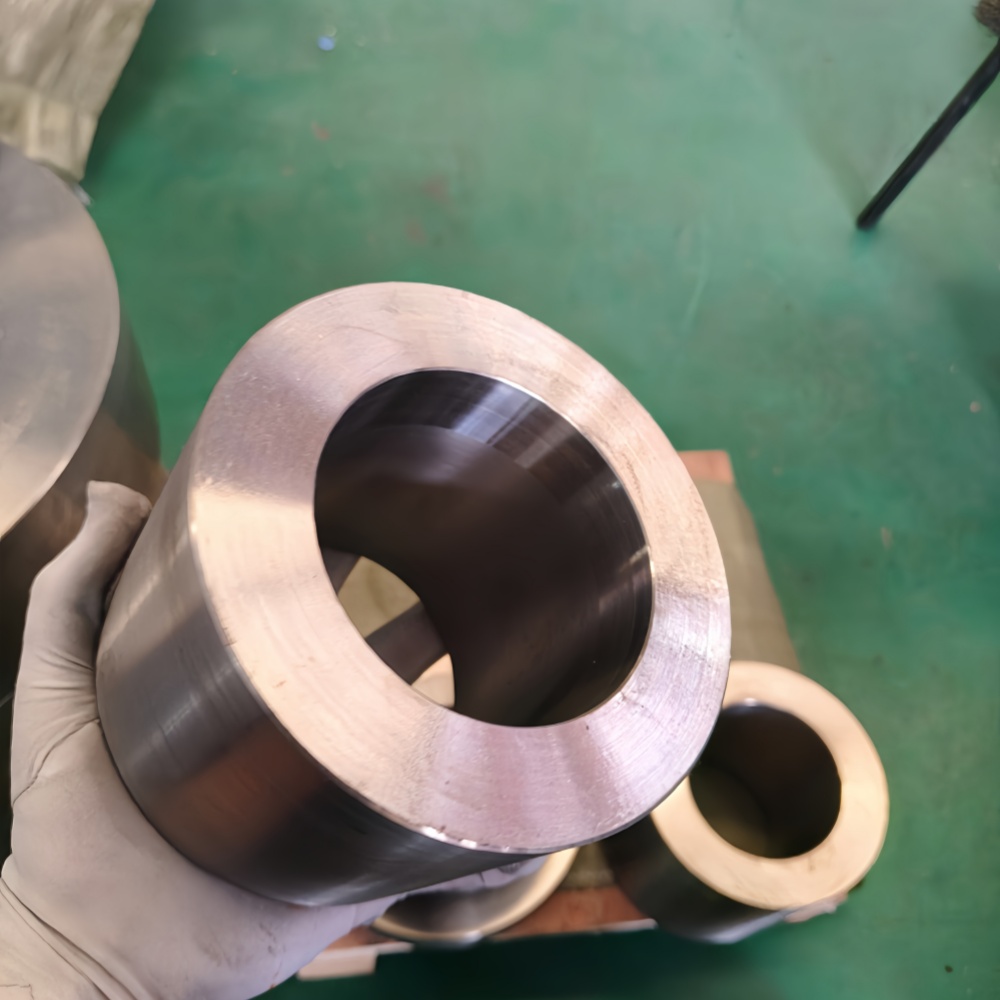
After this accident, our team unanimously decided:
1. Visual management and regional management. Different grades of titanium materials are labeled with different colors. Placed in different locations inside the factory.
2 As long as the material enters the factory, it needs to be labeled (as long as the material is larger than 1kg, information needs to be labeled).
3 The spectrometer (which was particularly expensive at that time, I remember it was around 250000 yuan) was sent out for final inspection.
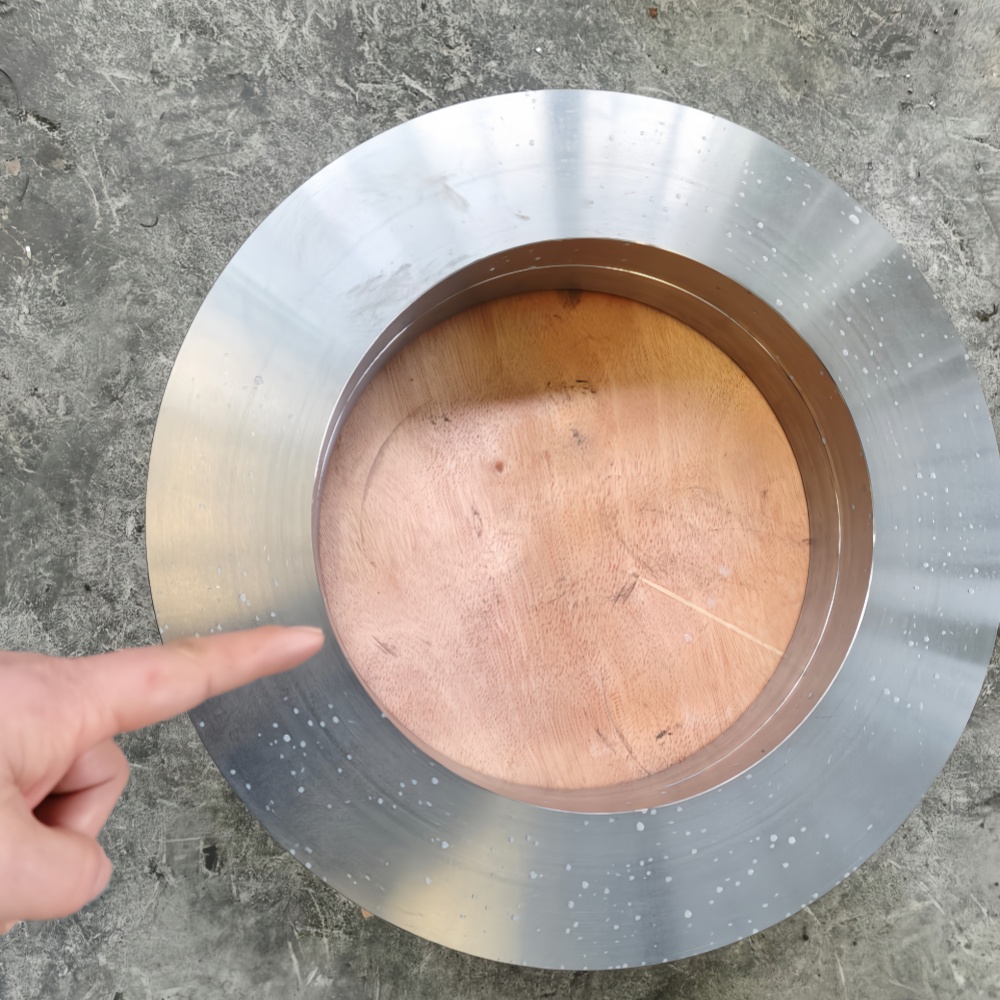
Now when our factory is finally shipping, we see the quality inspector holding a "scanning gun" like device to "shoot" the product, which is a handheld XRF spectrometer, for final inspection.
We are curious about how spectrometers measure the content of various elements in metals? In fact, the principle is not complicated. Simply put, "each element has its own unique 'optical code'. The spectrometer will excite the surface of the titanium alloy sample through electric spark gasification. After each element is excited, it will emit characteristic spectral lines of specific wavelengths - aluminum, vanadium, molybdenum and other elements also have their own unique wavelengths. Just like everyone's fingerprint is unique, the 'optical fingerprint' of each element will not be repeated. Next, the spectrometer will separate these different wavelengths of light through a grating, and then measure the intensity of each spectral line through a detector. The intensity of each spectral line is proportional to the content of the corresponding element, and finally, through computer calculation, the percentage content of each element in the titanium alloy can be directly obtained.
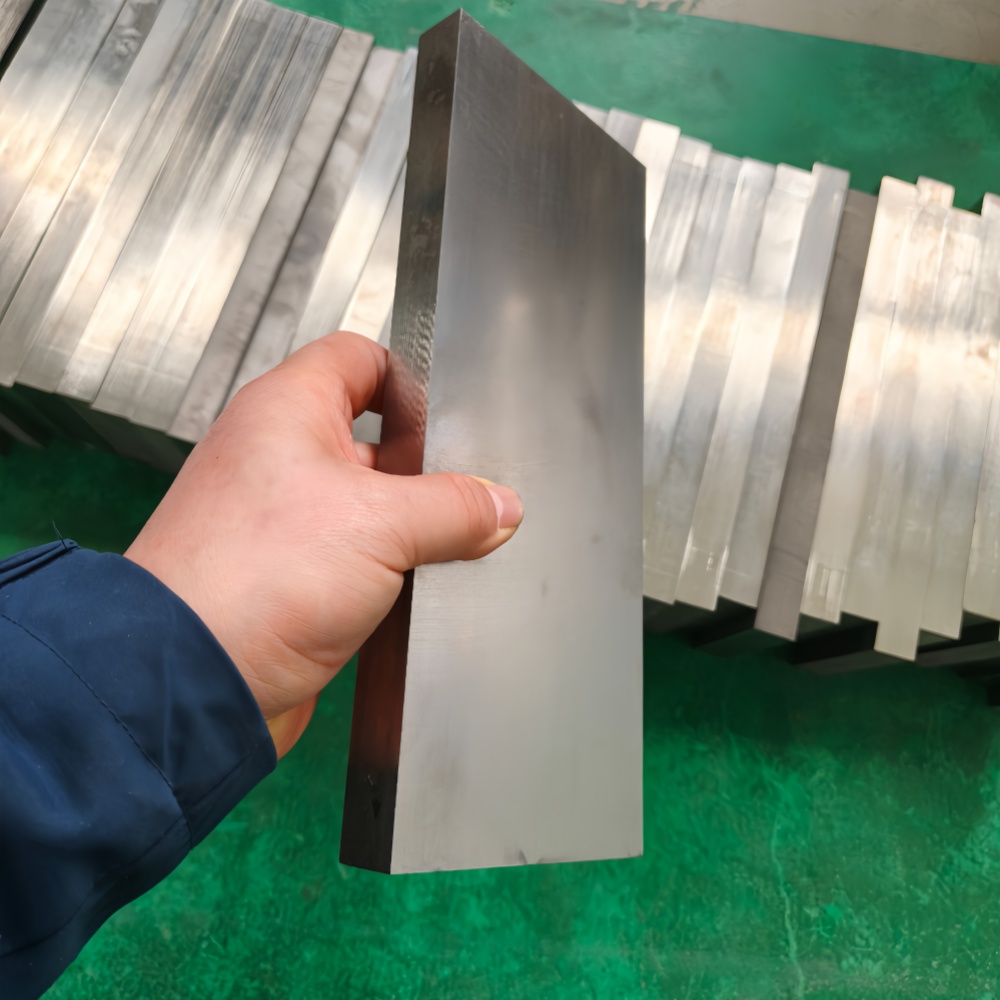
In order to use the most suitable titanium and titanium alloy products to their own scenarios, the spectrometer runs through the entire process from sponge titanium storage to titanium alloy finished product shipment. It is not only the quality goalkeeper for manufacturers, but also the anchor for titanium material manufacturers. The next time you see a titanium alloy product, you may want to think about it - behind it, the "golden eyes" of the spectrometer are guarding it.
 +86-0917-3217876
 18292732691
 No. 28, Middle section, Baoti Road, Weibin District, Baoji, Shaanxi
 marketing@ymdtitanium.com
 www.ymdtitanium.com


 English
 简体中文
简体中文
 18292732691
 marketing@ymdtitanium.com
 zyh2968808781
 +86 18292732691
 .cid.b0f8e930cd0ba28e
