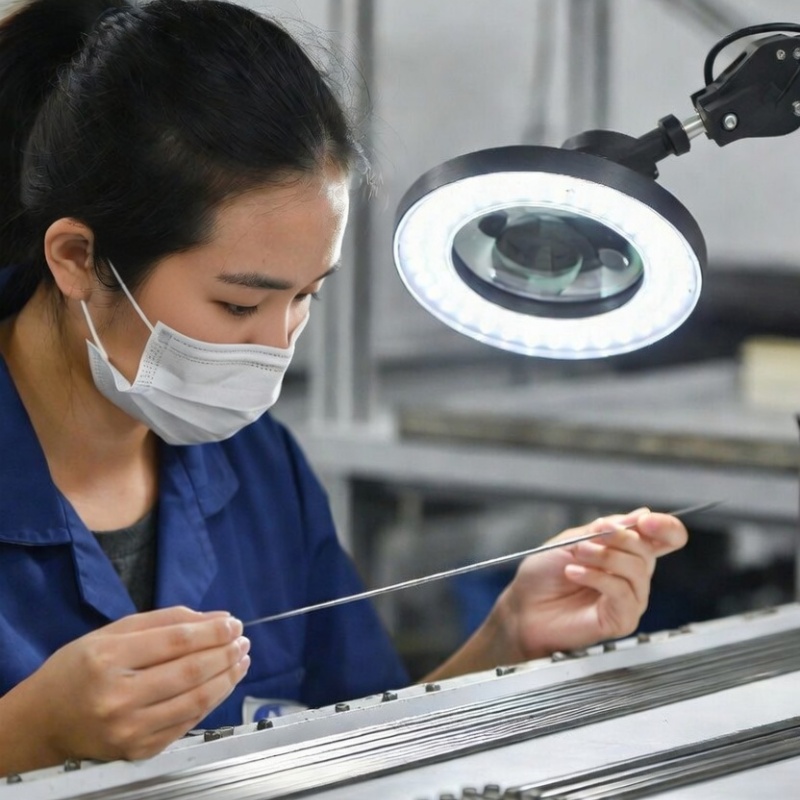
It has been nearly 9 months since the European customer's product titanium rod (Gr5 B348 φ 10 * 3050mm) went through multiple batches of sample production, national laboratory approval, third-party factory inspection approval, and large-scale production and shipment. The customer also requested a third-party inspection for the first batch of shipments, and our company fully agrees with the customer's pursuit of excellence in quality.
When customers request third-party inspection/testing of goods. Our company gladly accepts that we know this is an important step in ensuring that materials meet standards and avoiding disputes. Independent third parties (CMA/CNAS qualified institutions) can provide fair and authoritative reports.
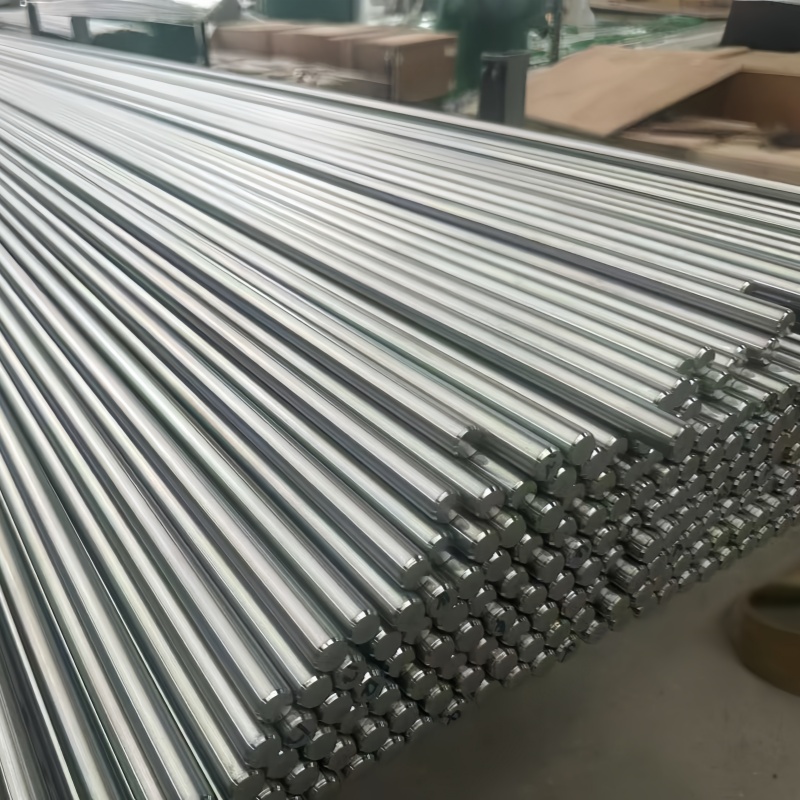
After receiving a third-party factory inspection request from the customer. Our company promptly contacts the third-party organization designated by the customer. The third party arranged two Chinese engineers and agreed on a time (three working days). The third-party engineers sent out some procedures and standards. It includes sampling standards, lighting brightness required during inspection, and other detailed requirements.
After the third-party engineer arrived at the factory, he communicated with us and compared it with the American standard ASTMB348 "Standard Specification for Titanium and Titanium Alloy Rod and Billet". We have started a rigorous "layer by layer" process for our product (Gr5 B348 φ 10 * 3050mm).
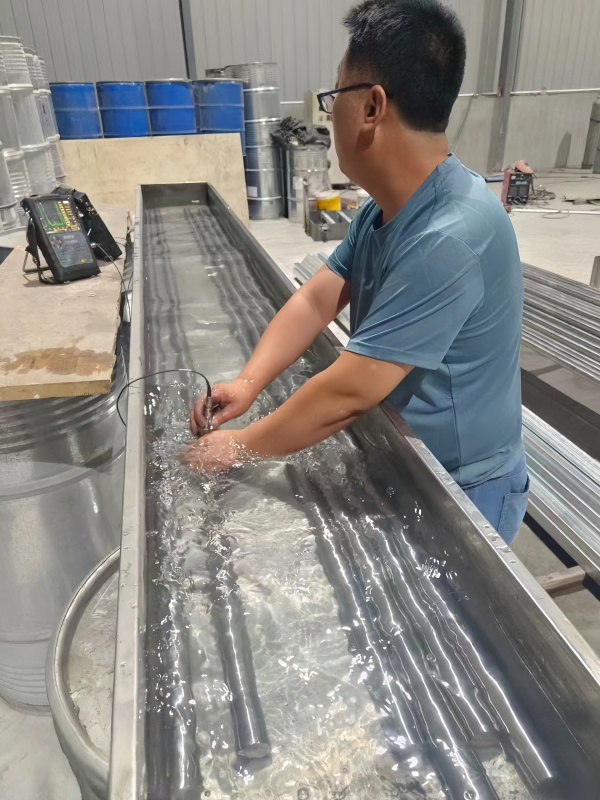
The first step is to take samples for chemical composition, mechanical properties, and hardness testing, and send them to a third-party laboratory for testing (with a testing cycle of 3 days).
Randomly select a titanium rod from the bulk order for cutting and sampling. Divide the sample into two parts, label one clearly, and personally send it to a third-party laboratory for testing A clearly labeled sample is kept by the third-party engineer for their own preservation.
Step 2 Non destructive testing: Strictly follow the American standard ASTMB348 "Standard Specification for Titanium and Titanium Alloy Bars and Billets". Perform a CT scan inside the rod to ensure that there are no abnormal defects in the core of the titanium rod.
The third step is to confirm the sampling quantity and conduct a visual inspection.
Surface quality: According to the standard, the surface of a 10mm titanium rod is not allowed to have visible defects such as cracks, folds, peeling, etc. It is usually required to conduct surface roughness testing to ensure that the surface smoothness meets the subsequent processing requirements.
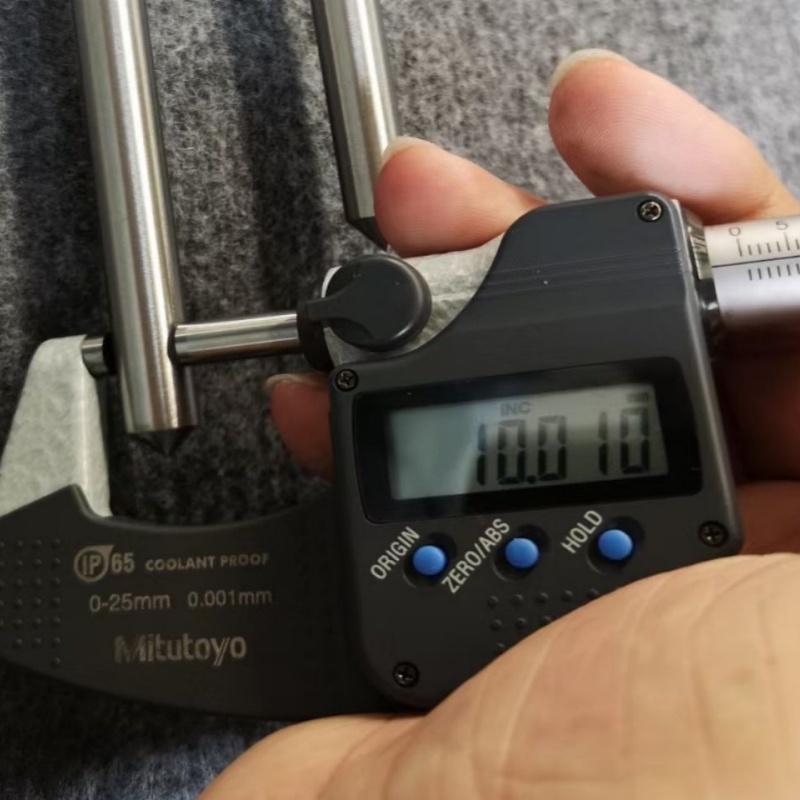
2. Dimensional accuracy: Since it is 10mm, the diameter tolerance is the lifeline.
3 Straightness: For a slender rod of 10mm, the straightness requirements are usually very strict.
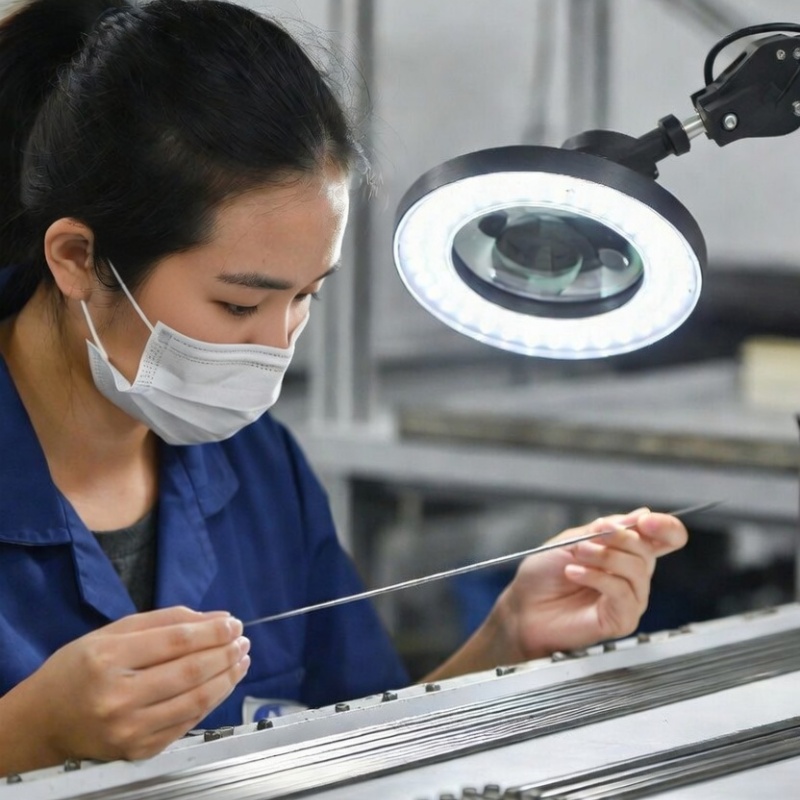
The fourth step is to collect information: Our company provides a material list (MTC), factory inspection report, furnace batch number, and batch list. After a third-party organization verifies the consistency of the information, on-site testing will be carried out.
Step 5: Packaging and labeling inspection
1. Tie titanium rods with clear labels on each bundle, including furnace batch number, brand, specifications, quantity, and manufacturer information;
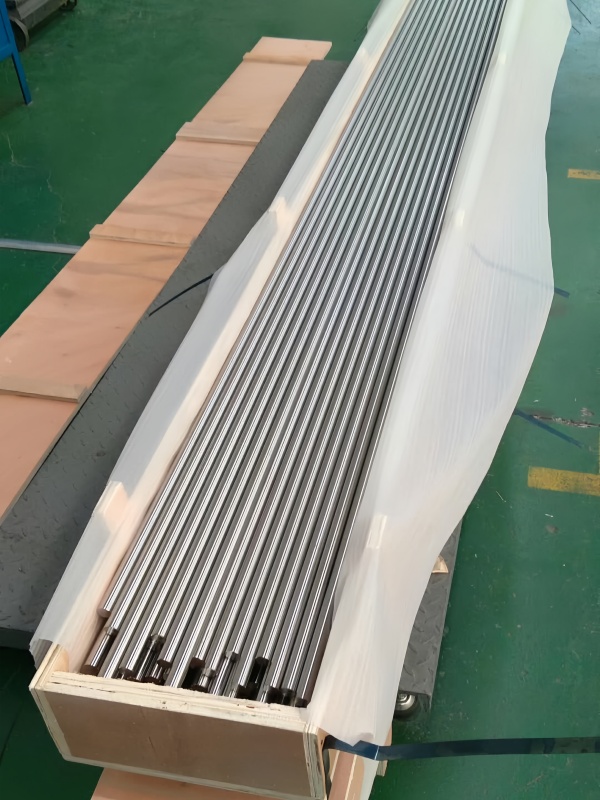
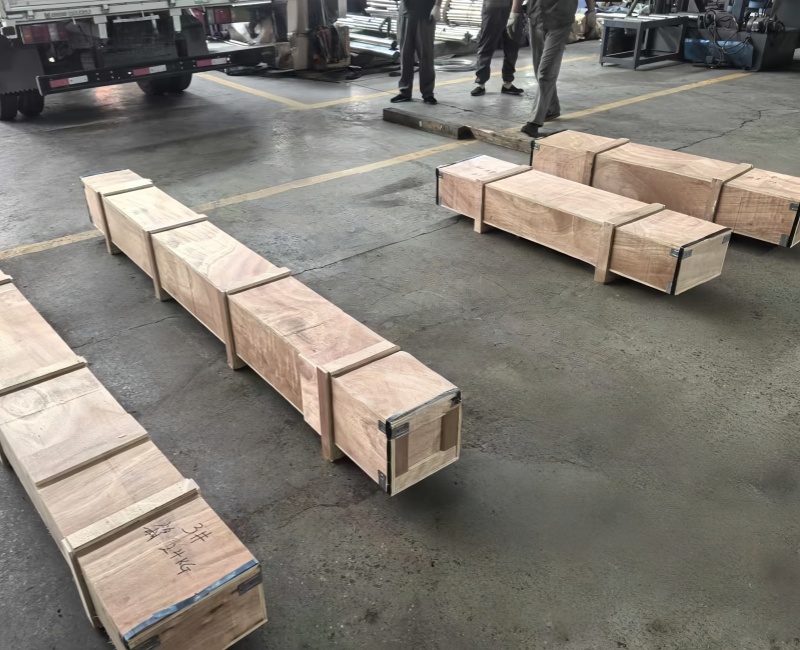
2. Use moisture-proof film and wooden pallet packaging to avoid moisture, bumps, and scratches during transportation;
3. Verify the consistency between the label and the actual product.
After three days of inspection (the third-party testing center has completed the testing report), the third-party engineer recognized our company's products and gave a high evaluation of our company's cooperation. Provide a series of documents including qualified testing reports (including data, conclusions, seals), and require our company's responsible person to confirm and sign the testing reports.
Third party inspection is a professional and fair method used to establish quality trust between both parties in the transaction, avoid quality risks for customers, and help our company discover potential problems, achieving a win-win situation of trust between supply and demand. For our company, third-party inspection is a bonus for proving product quality, enhancing customer trust, and expanding foreign trade. As long as we do a good job in quality, sincerely avoid fraud, and strictly adhere to product standards, we can gain greater trust from our customers.
 +86-0917-3217876
 18292732691
 No. 28, Middle section, Baoti Road, Weibin District, Baoji, Shaanxi
 marketing@ymdtitanium.com
 www.ymdtitanium.com


 English
 简体中文
简体中文
 18292732691
 marketing@ymdtitanium.com
 zyh2968808781
 +86 18292732691
 .cid.b0f8e930cd0ba28e
