
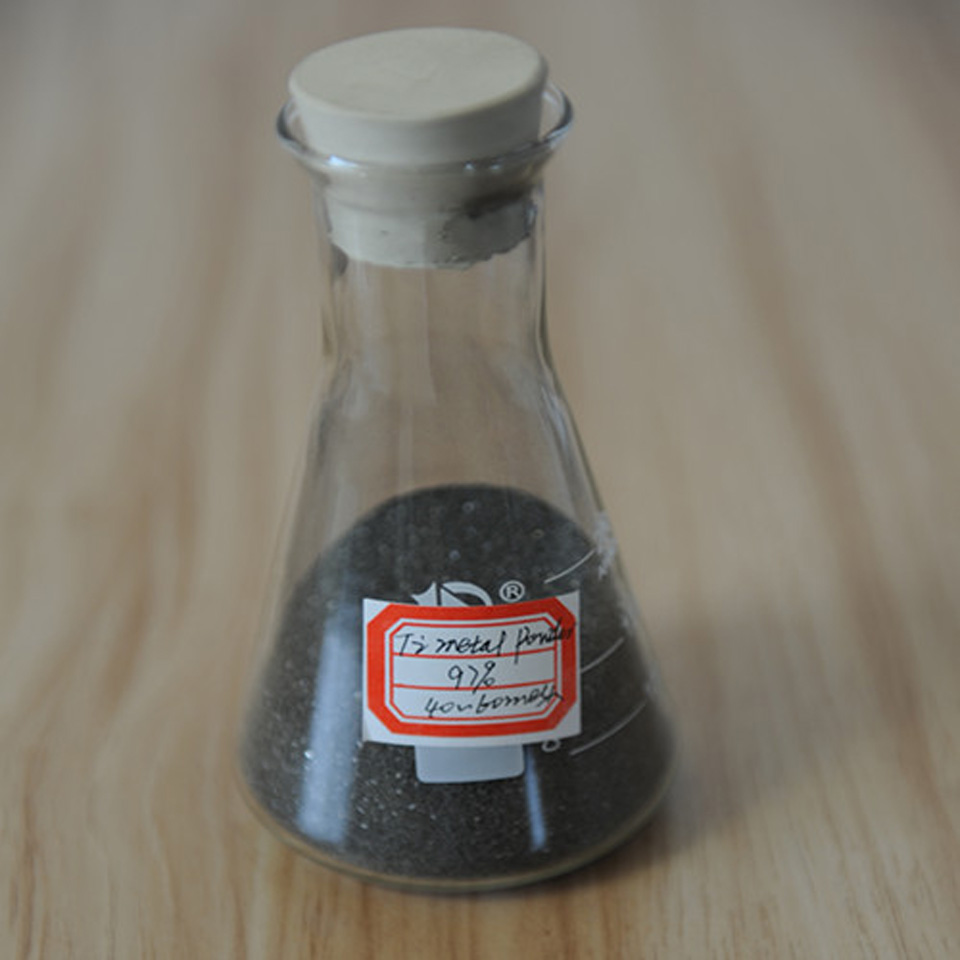
Irregular titanium powder is an important raw material in modern industry. Unlike the regular shape of spherical titanium powder, irregular titanium powder is widely used in industrial production due to its excellent properties. The particle size distribution (PSD), as a core indicator for measuring the quality of irregular titanium powder, directly determines the processing performance, finished product quality, and utilization efficiency of the powder. It is a key parameter that cannot be ignored in the production, research and application of titanium powder.
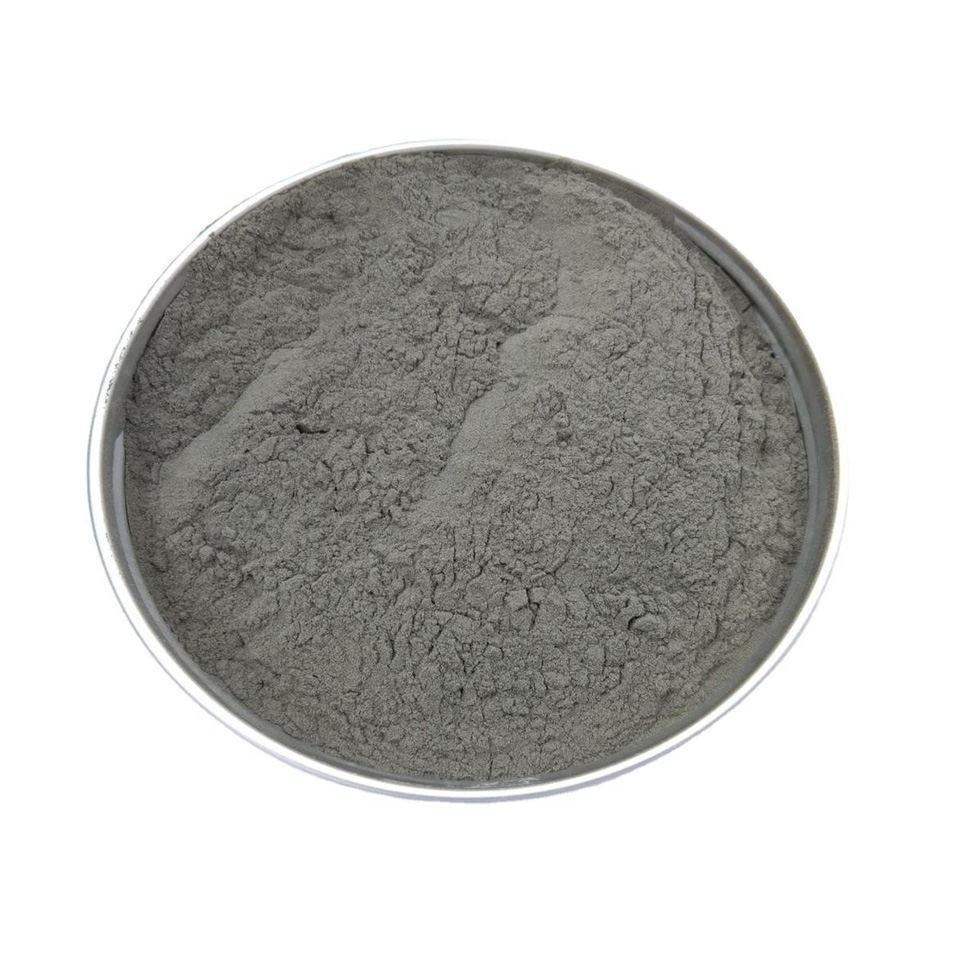
Today, based on our own production experience, Yumingda Metal Materials will briefly discuss particle size distribution (PSD), which is an important parameter for describing the characteristics of granular materials. It represents the proportion of particles of different sizes in the sample.
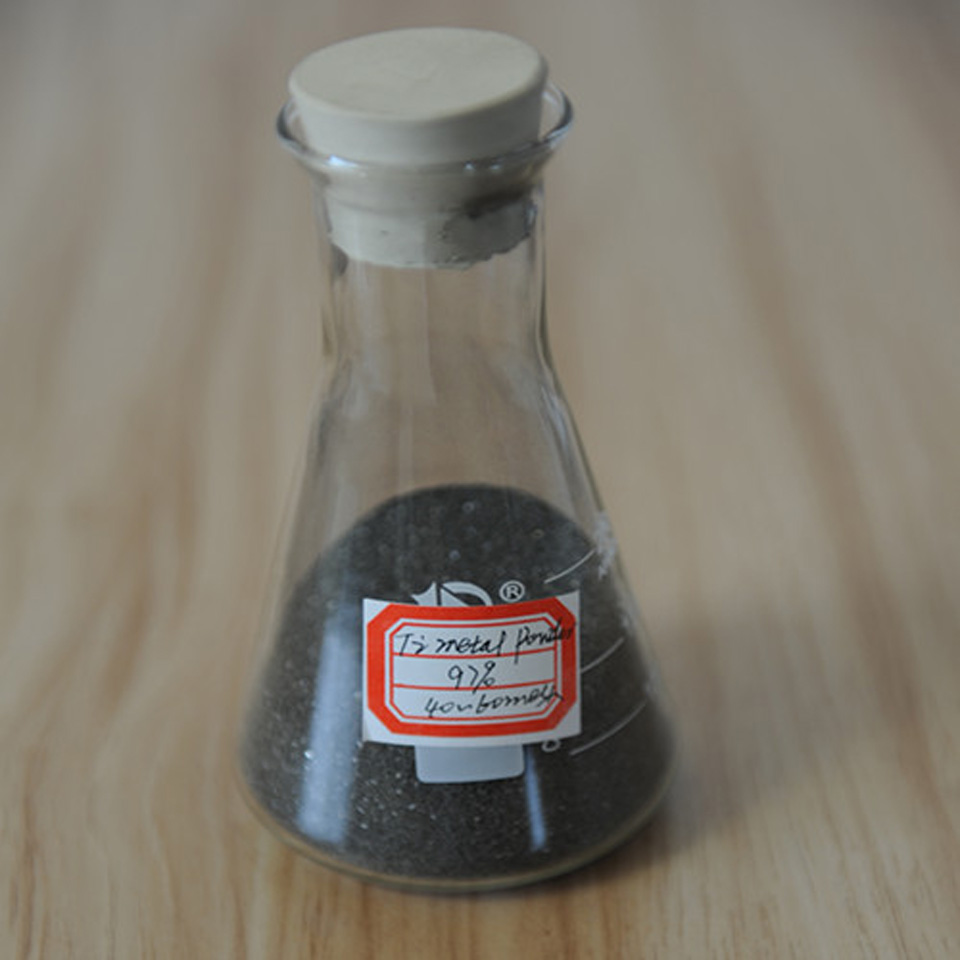
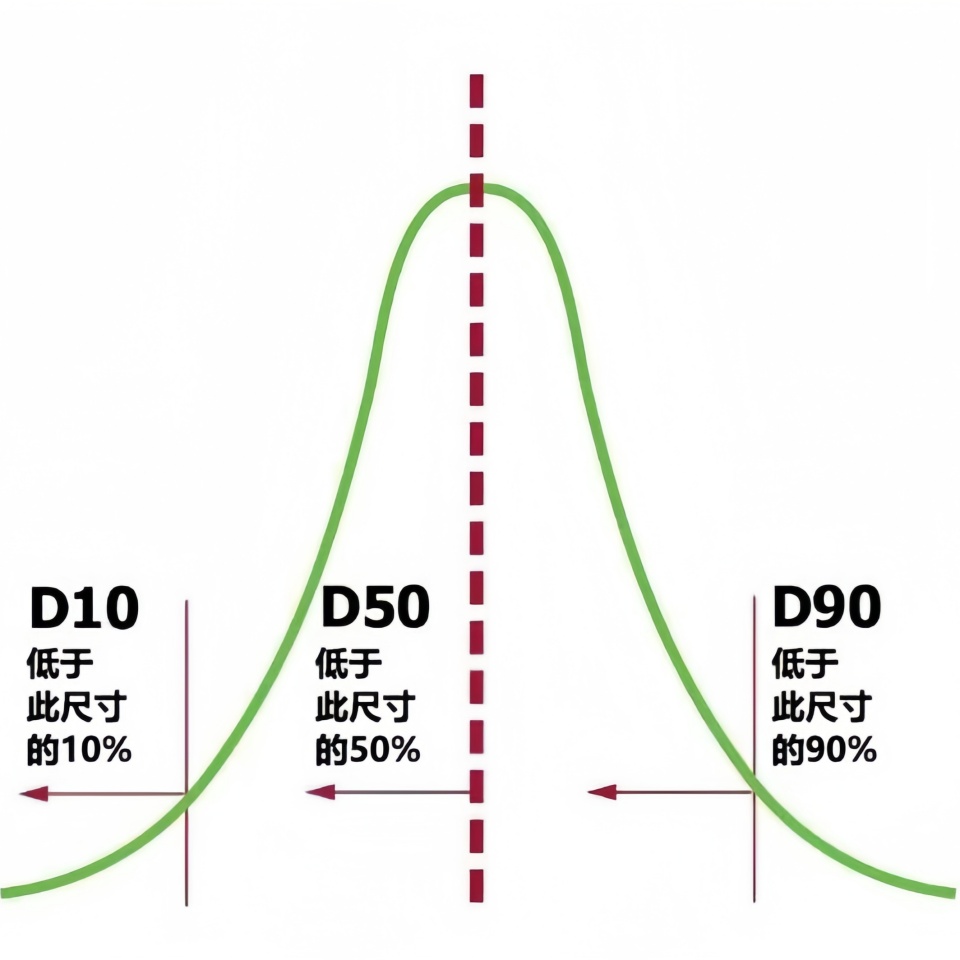
Particle size distribution (PSD) refers to the proportion of particles of different sizes in an irregular titanium powder system, which is usually quantified using three key indicators: D10, D50, and D90
D10: indicates that 10% of the particles have a particle size smaller than this value, reflecting the fine powder content and affecting the flowability and sintering activity of the powder;
D50: median particle size, meaning that 50% of particles have a particle size smaller than this value, is the core indicator for measuring the overall coarseness of the powder;
D90: indicates that 90% of the particle size is smaller than this value, reflecting the upper limit of coarse particles and determining the processing adaptability of the powder.
The distribution width (D90-D10) is also a key data, the smaller the value, the more uniform the titanium powder particle size and the narrower the distribution; The larger the value, the larger the particle size span, and the more significant the difference in particle size.
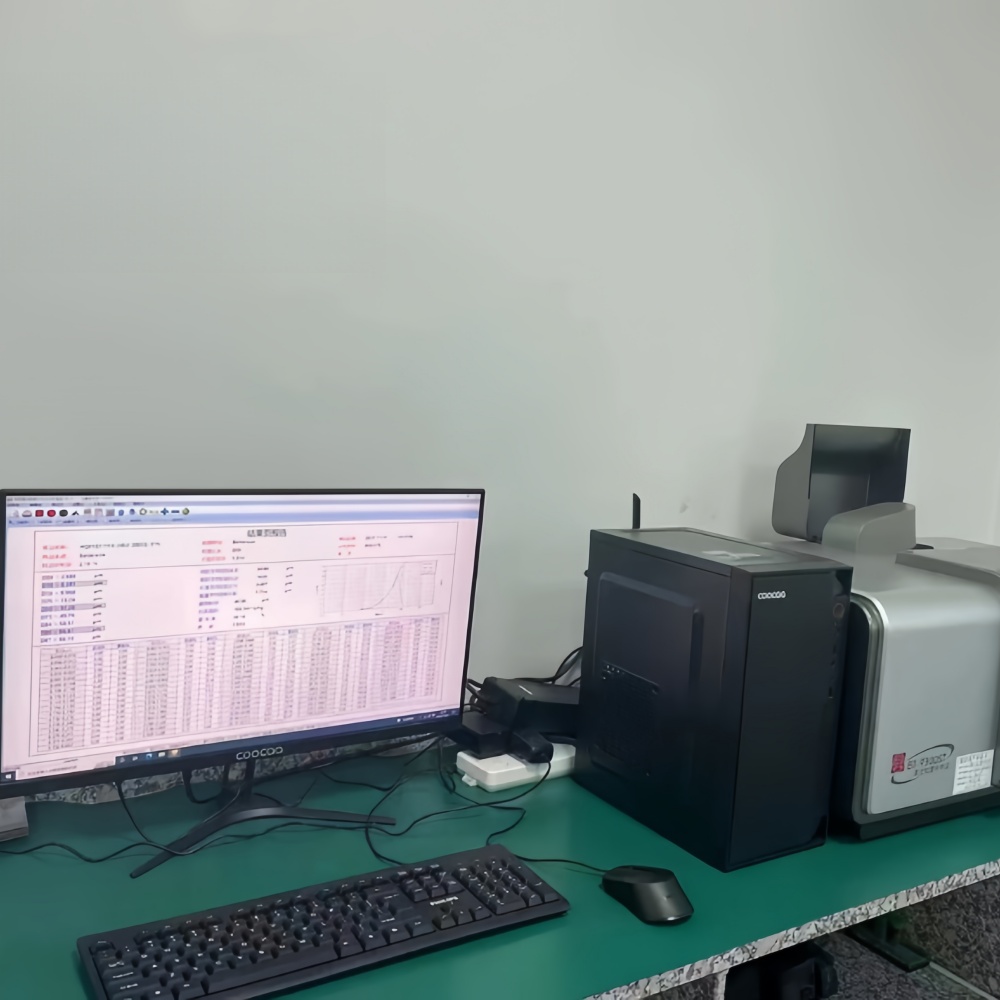
How to accurately measure PSD? The most commonly used is a laser diffraction analyzer. This is currently the most mainstream and efficient detection method, based on the principle of particle to laser scattering, to quickly determine the particle size distribution of powders. It has a wide detection range (from submicron to millimeter level), fast speed, good repeatability, and can directly output complete PSD curves and parameters such as D10, D50, D90, etc. It is suitable for industrial batch testing and research and development analysis.
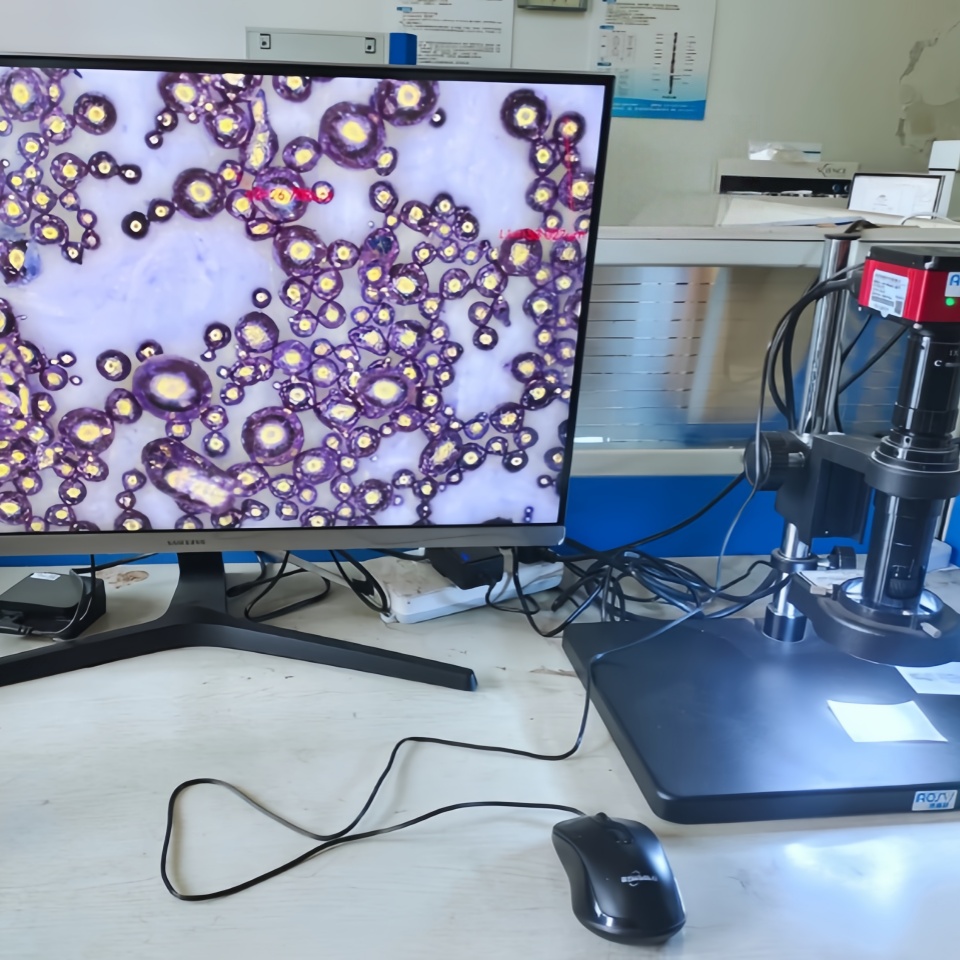
In the microscopic world of titanium powder, we can imagine: a round and smooth ball like sand may come to mind. But in reality, the opposite is true. Under a high-power microscope, the microstructure of irregular titanium powder is characterized by particles with sharp edges, pits, and pores on the surface.
How to control the particle size distribution of irregular titanium powder? The particle size distribution of irregular titanium powder mainly depends on the milling process and post-treatment technology. By optimizing these two processes, PSD can be adjusted:
Source control. In the process of hydrogenation dehydrogenation (HDH) powder production, the particle size distribution of the powder can be adjusted by controlling the hydrogenation temperature, dehydrogenation temperature, and crushing process parameters. For example, increasing the hydrogenation temperature can increase the brittleness of titanium hydride, making the crushed powder finer; Extending the dehydrogenation time can reduce the residual hydrogen content in the powder and affect the sintering activity of the particles.
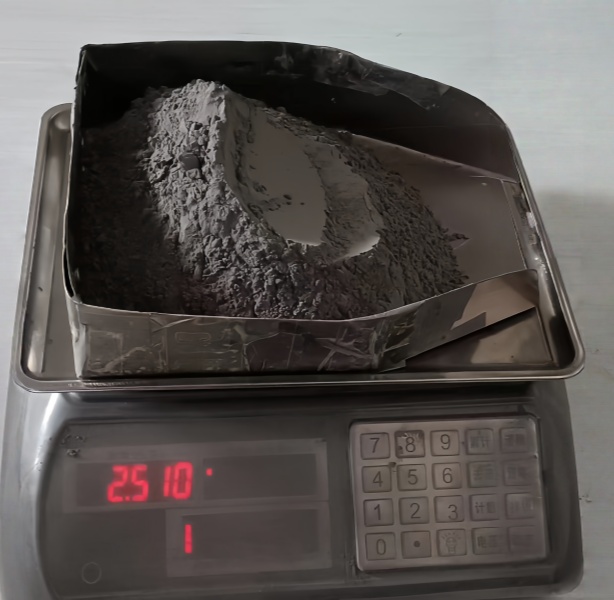
Accurate grading. After powder milling is completed, it is usually necessary to classify the powder through post-processing methods such as vibration screening or air flow classification to remove ultrafine powder and oversized particles, so that the particle size distribution meets the application requirements. For example, using an air classifier can separate fine powder with D10<15 μ m and coarse powder with D90>53 μ m to obtain suitable titanium powder.
Irregular titanium powder particle size distribution (PSD) appears to be the fundamental parameter of titanium powder. It not only determines the basic properties of titanium powder such as fluidity, sintering activity, and loose packing density, but also directly affects the density, mechanical properties, forming accuracy, and service life of titanium alloy products.
The particle size distribution of irregular titanium powder is an art of balance. By precisely controlling parameters such as D10, D50, D90, etc., we can leverage their advantages of low cost and high specific surface area, while avoiding their disadvantage of poor fluidity. For titanium powder production enterprises, precise control of particle size distribution is the key to enhancing product competitiveness. With the continuous improvement of requirements for titanium alloy materials in high-end manufacturing, precise detection, optimization, and standardization of irregular titanium powder particle size distribution will become an important direction for the development of titanium materials, helping titanium alloy products achieve wider applications in more fields.
 +86-0917-3217876
 18292732691
 No. 28, Middle section, Baoti Road, Weibin District, Baoji, Shaanxi
 marketing@ymdtitanium.com
 www.ymdtitanium.com


 English
 简体中文
简体中文
 18292732691
 marketing@ymdtitanium.com
 zyh2968808781
 +86 18292732691
 .cid.b0f8e930cd0ba28e
