
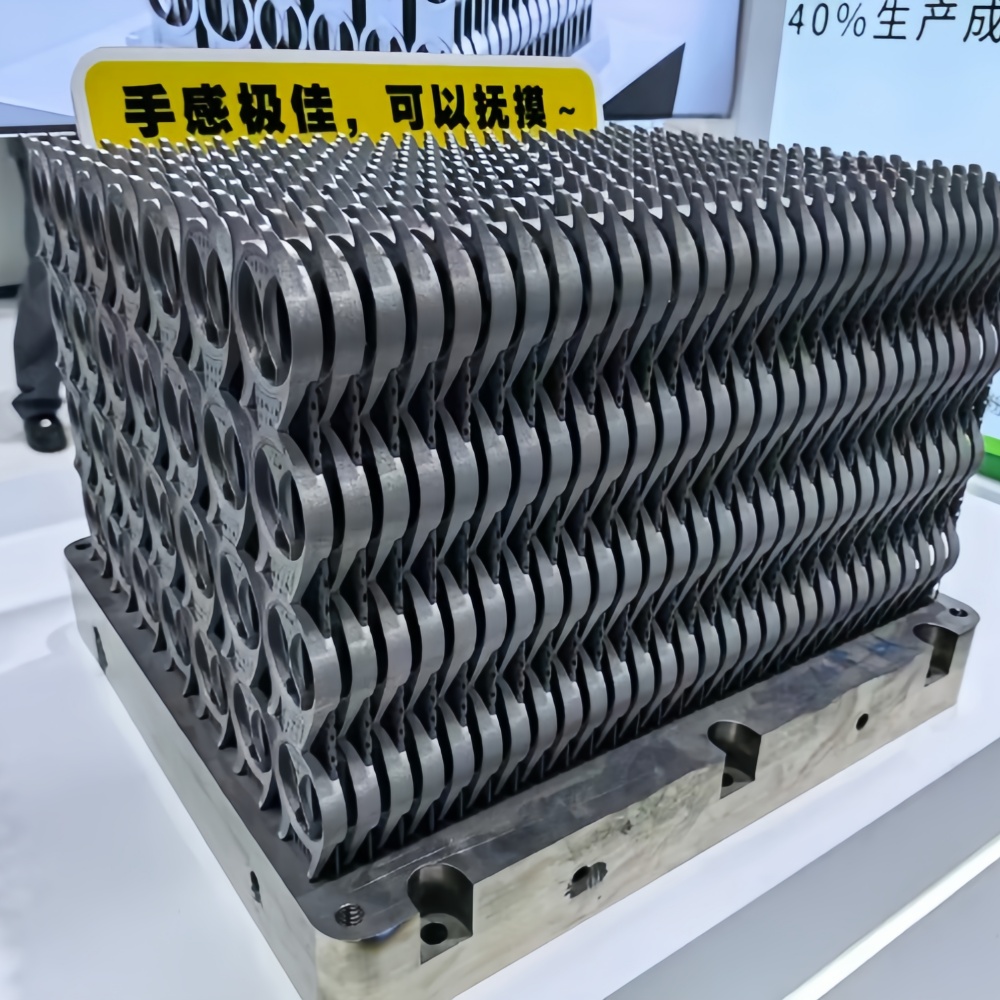
A recent news has caught the attention of the titanium alloy powder 3D printing industry: On April 16th, EOS recently completed the 100% acquisition of Metalpine GmbH, a supplier of 3D printed titanium metal powder, achieving a transformation from a minority shareholder to a wholly-owned owner.
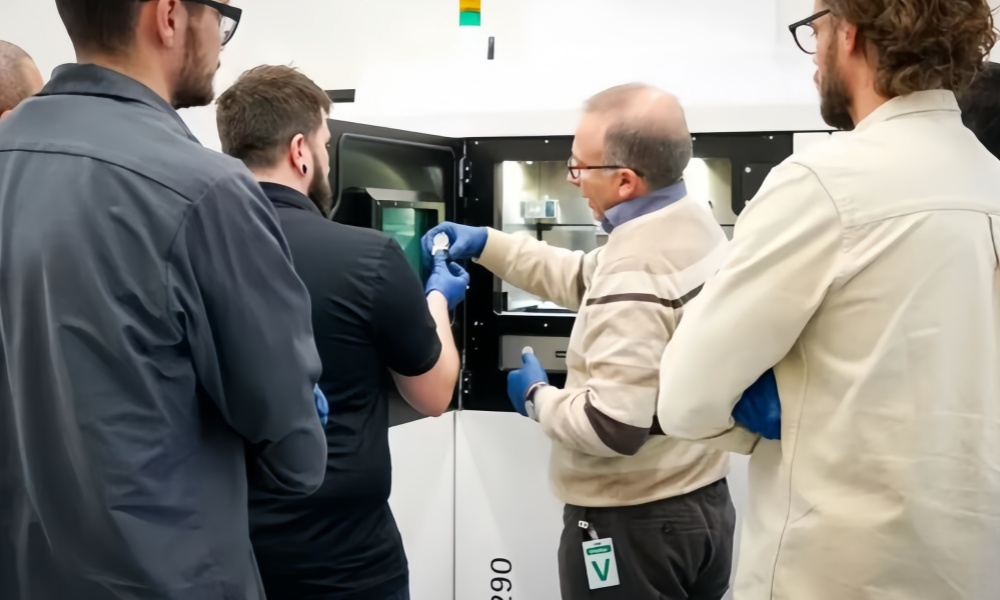
What is 3D printed titanium powder?
Titanium alloy powder is a key material in modern high-end manufacturing, especially playing a core role in additive manufacturing (3D printing). It has become a "star material" in industries such as aerospace, medical implants, and high-end equipment due to its excellent specific strength, corrosion resistance, and biocompatibility. Ti6Al4V, also commonly known as TC4, is a typical α+β biphasic titanium alloy with a chemical composition of approximately 90% titanium, 6% aluminum, and 4% vanadium.
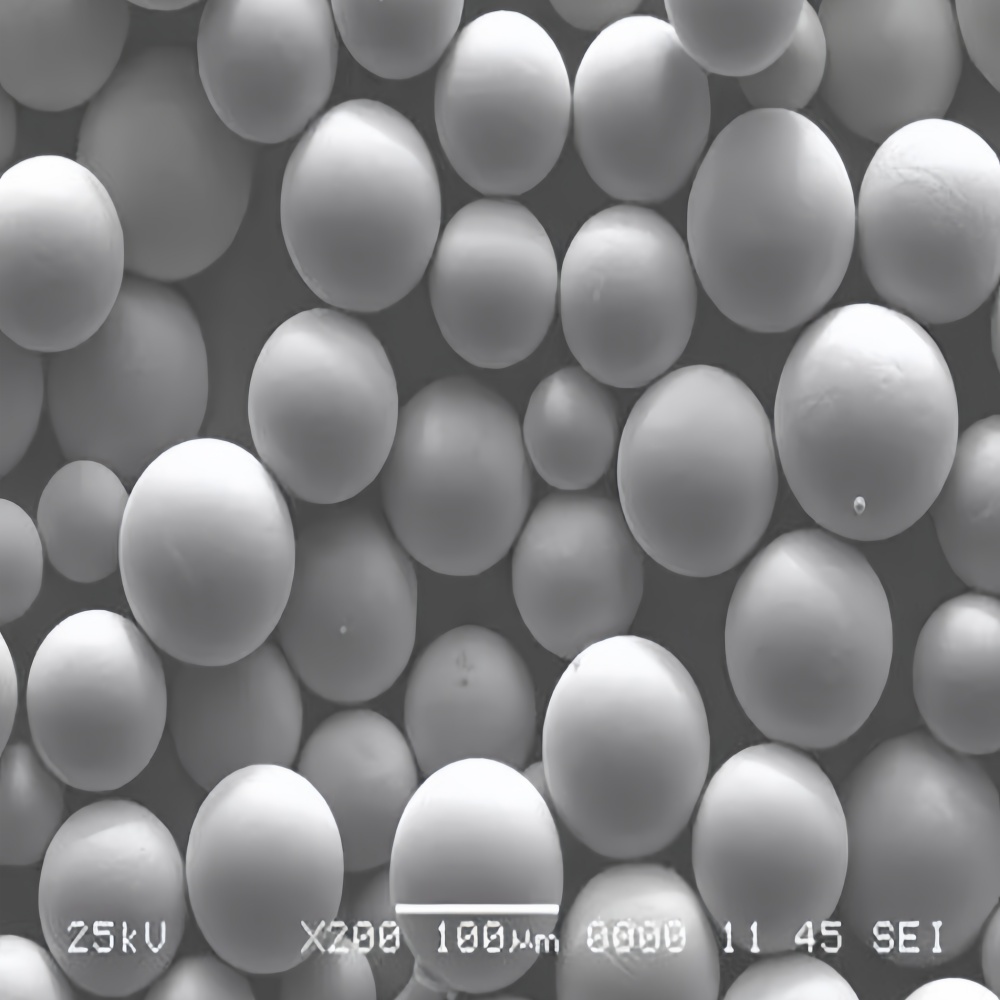
The main parameters of Ti6Al4V spherical titanium alloy powder include particle size distribution, sphericity, tap density, flowability (Hall flowmeter), and oxygen content level. The oxygen content level is a very important parameter.
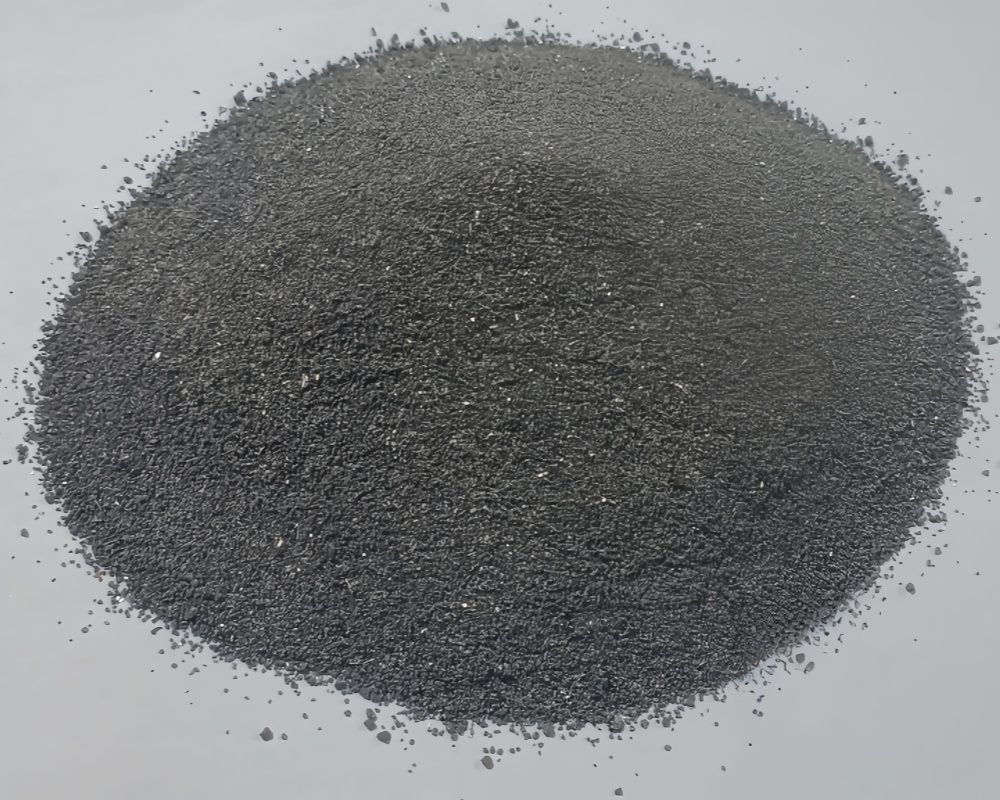
At present, the most commonly used methods in industry are electrode induction melting atomization (EIGA) and plasma rotating electrode method (PREP), among which EIGA is widely used due to its low cost and high efficiency.
Today we will mainly talk about Ti6Al4V spherical titanium alloy powder (15-53 μ m): Aerosolization method is a mainstream preparation technology that uses high-speed inert gas flow to crush molten metal into small droplets, and then cools and solidifies them into spherical metal powder. It is widely used in additive manufacturing, powder metallurgy, and spraying fields. The core preparation process is as follows:
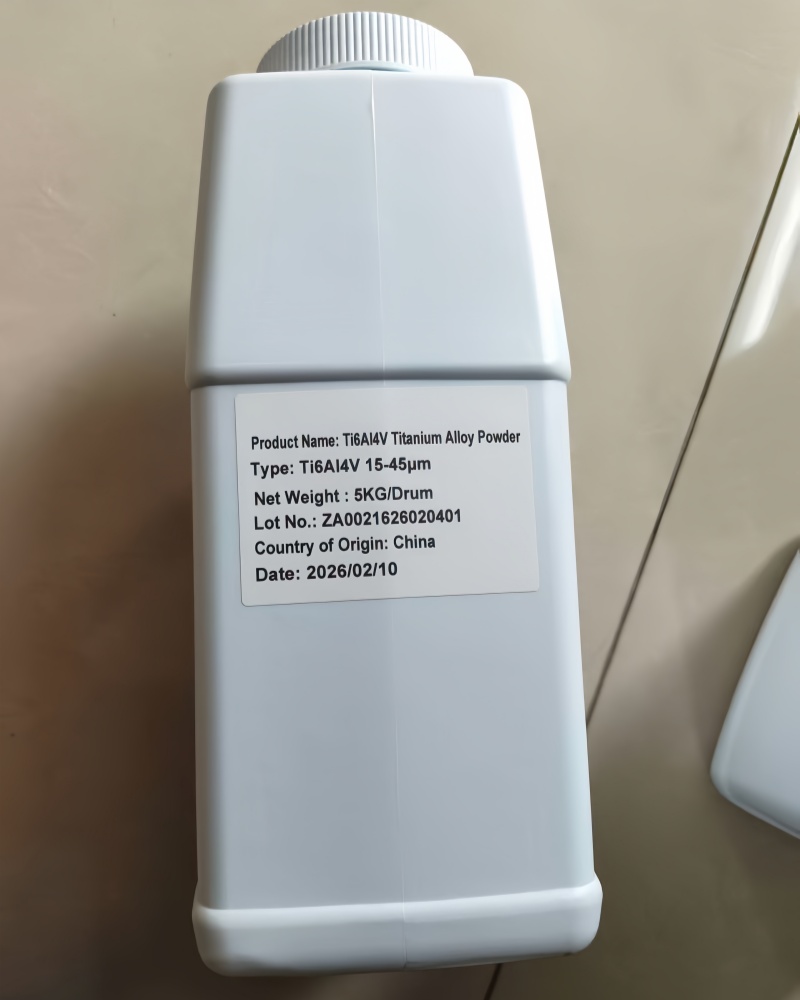
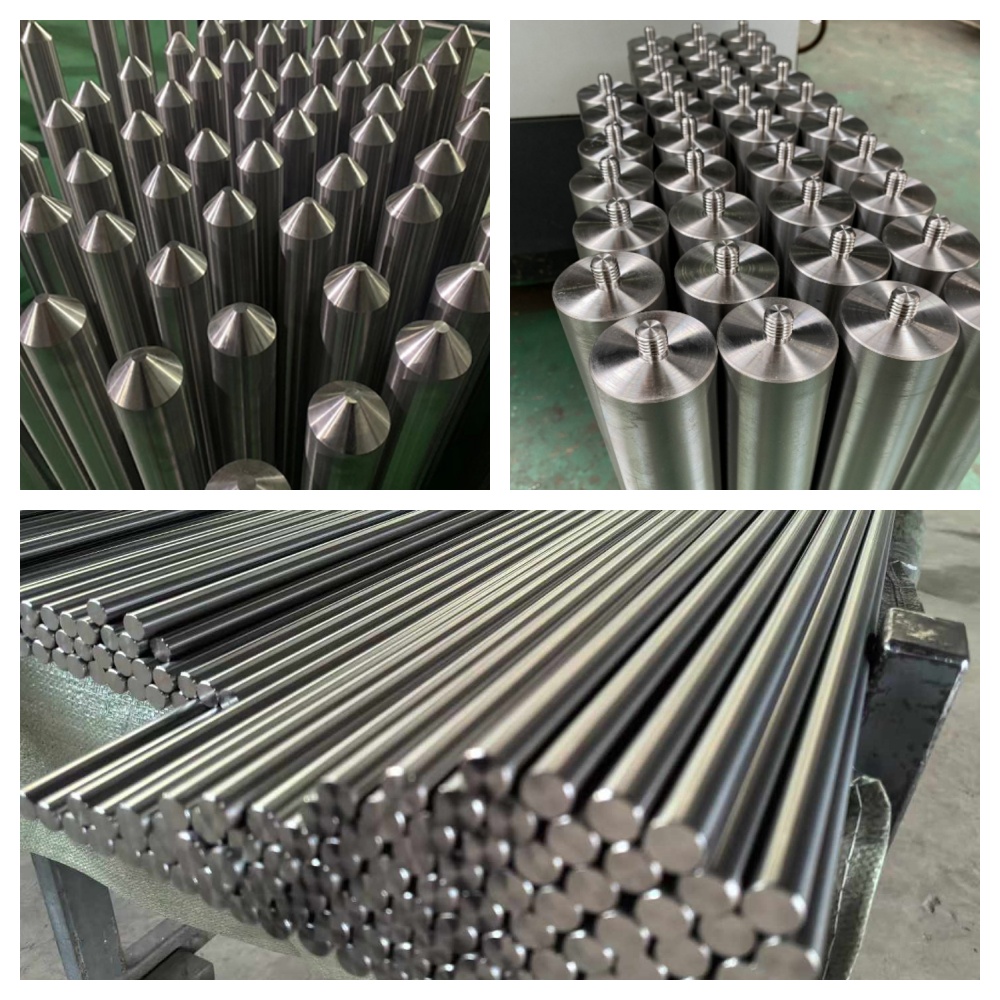
Preparation of electrode rod: Make the appropriate grade of titanium alloy into electrode rod (controlling oxygen content is important).
Induction melting: Under the protection of inert gas (argon), the top of the electrode rod is locally heated to a molten state through electromagnetic induction.
High pressure atomization: using high-pressure inert gas to impact the molten metal flow, causing it to break into small droplets and rapidly cool into spherical powder.
Collection and screening: After collecting the powder, multi-stage airflow classification and vibration screening are used to accurately screen the particle size range of 15-53 μ m.
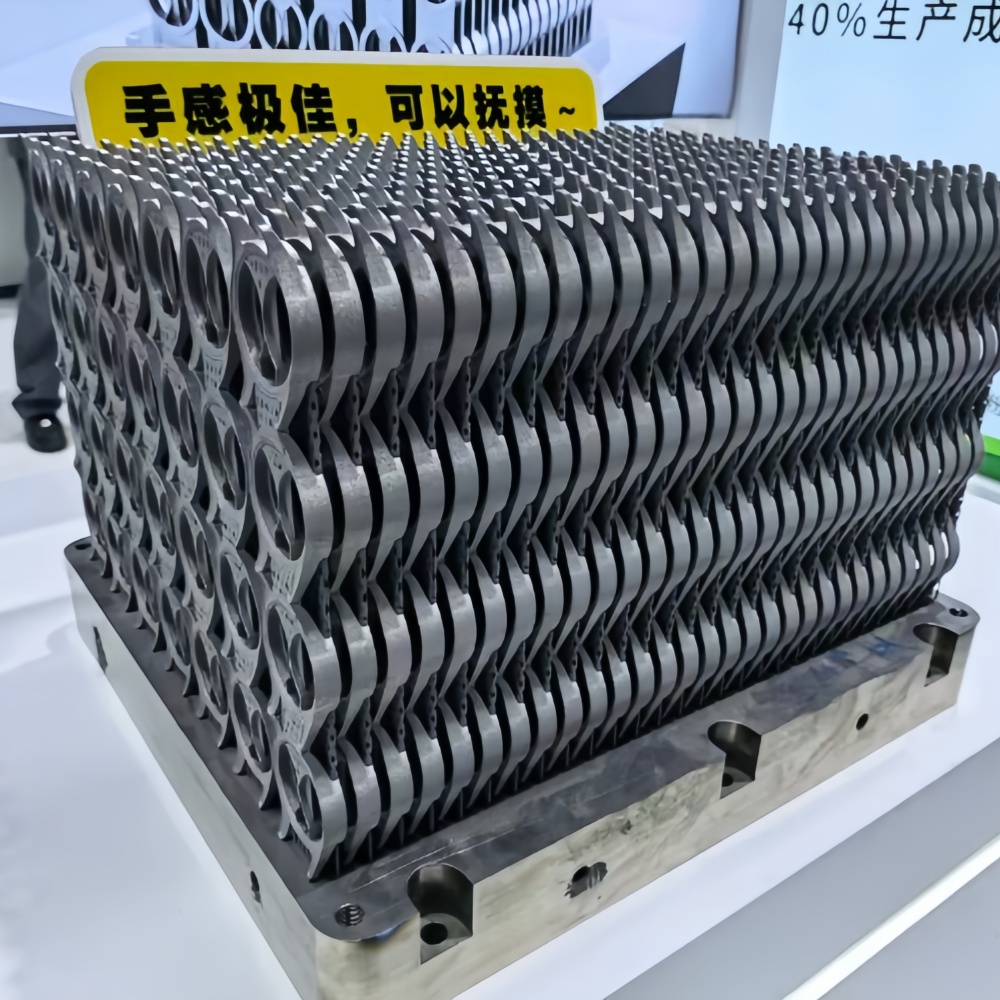
Titanium alloy powder (15-53 μ m) has become an ideal material for 3D printing due to its excellent properties and wide application prospects. Although there are still some technological challenges at present, with the continuous progress of technology and in-depth research, it is believed that these problems will gradually be solved, and titanium alloy powder will shine even brighter in the future high-end manufacturing field.
 +86-0917-3217876
 18292732691
 No. 28, Middle section, Baoti Road, Weibin District, Baoji, Shaanxi
 marketing@ymdtitanium.com
 www.ymdtitanium.com


 English
 简体中文
简体中文
 18292732691
 marketing@ymdtitanium.com
 zyh2968808781
 +86 18292732691
 .cid.b0f8e930cd0ba28e
