
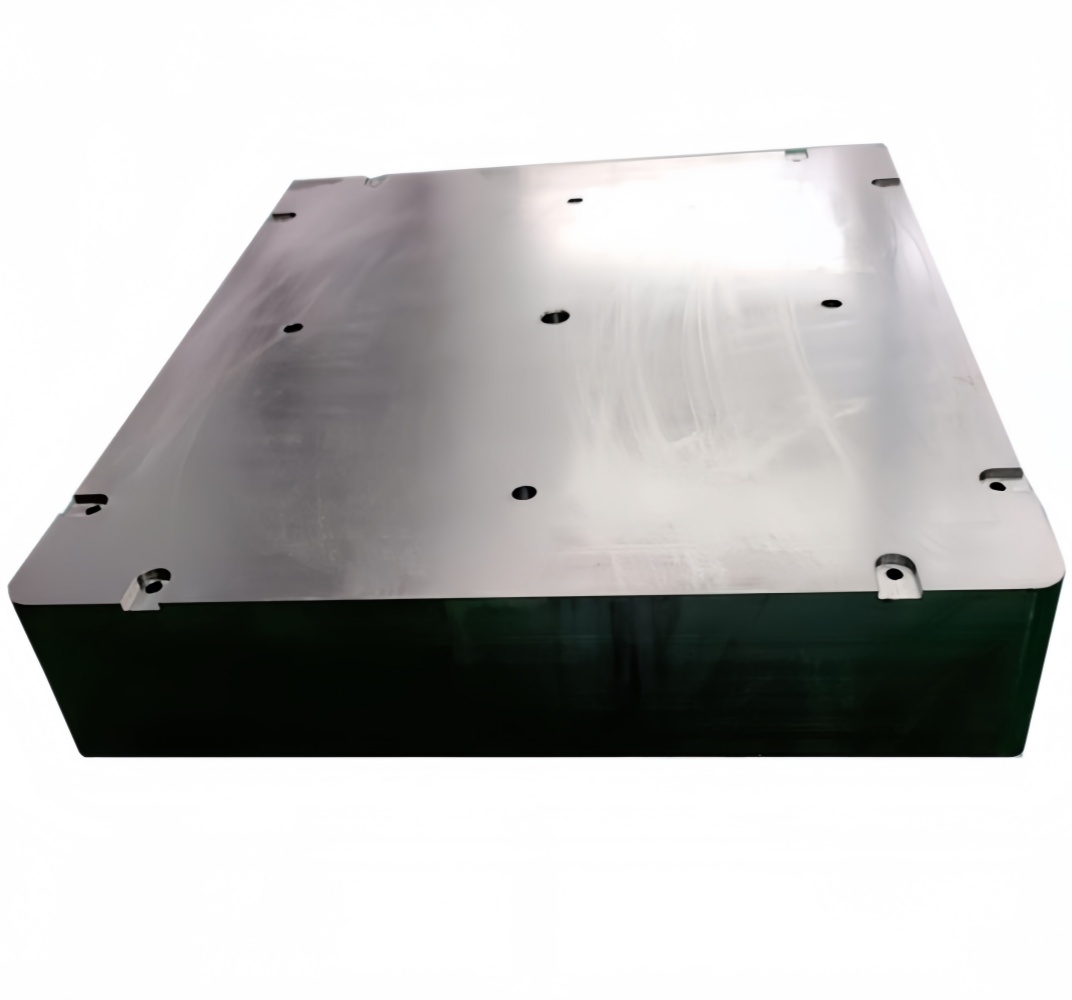
In the great revolution of titanium and titanium alloy 3D printing, there is a low-key but crucial role - titanium alloy substrate. The quality of titanium substrate, as the core part of 3D printed titanium alloy products, directly affects the performance of the final printed part.
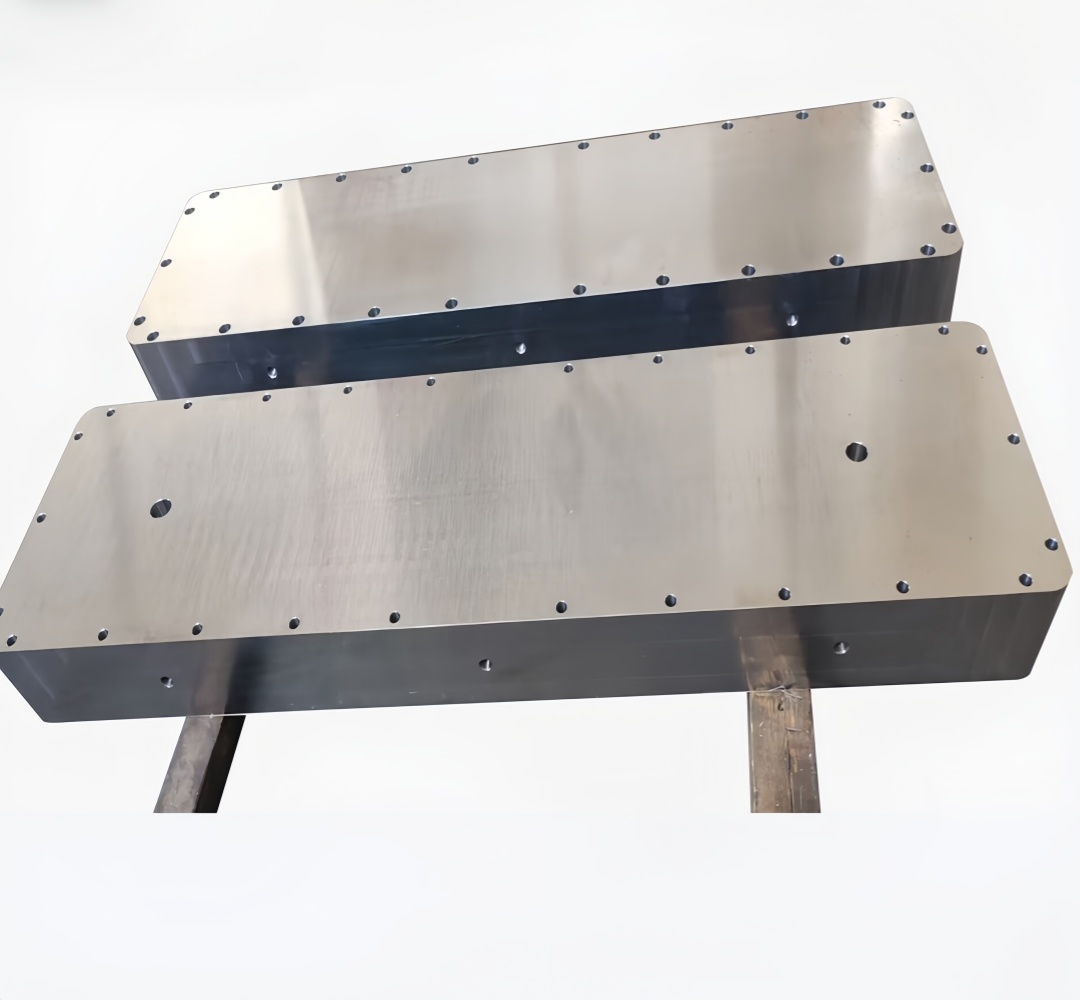
In recent years, with the development of science and technology, the 3D printing industry has gradually completed the complete industrial chain from laboratory to mass production. Firstly, it is important to understand what a 3D printed substrate is? If 3D printing is compared to building a building, the substrate is the foundation. Moreover, it is a foundation that has been repeatedly used, heated, and tossed around.
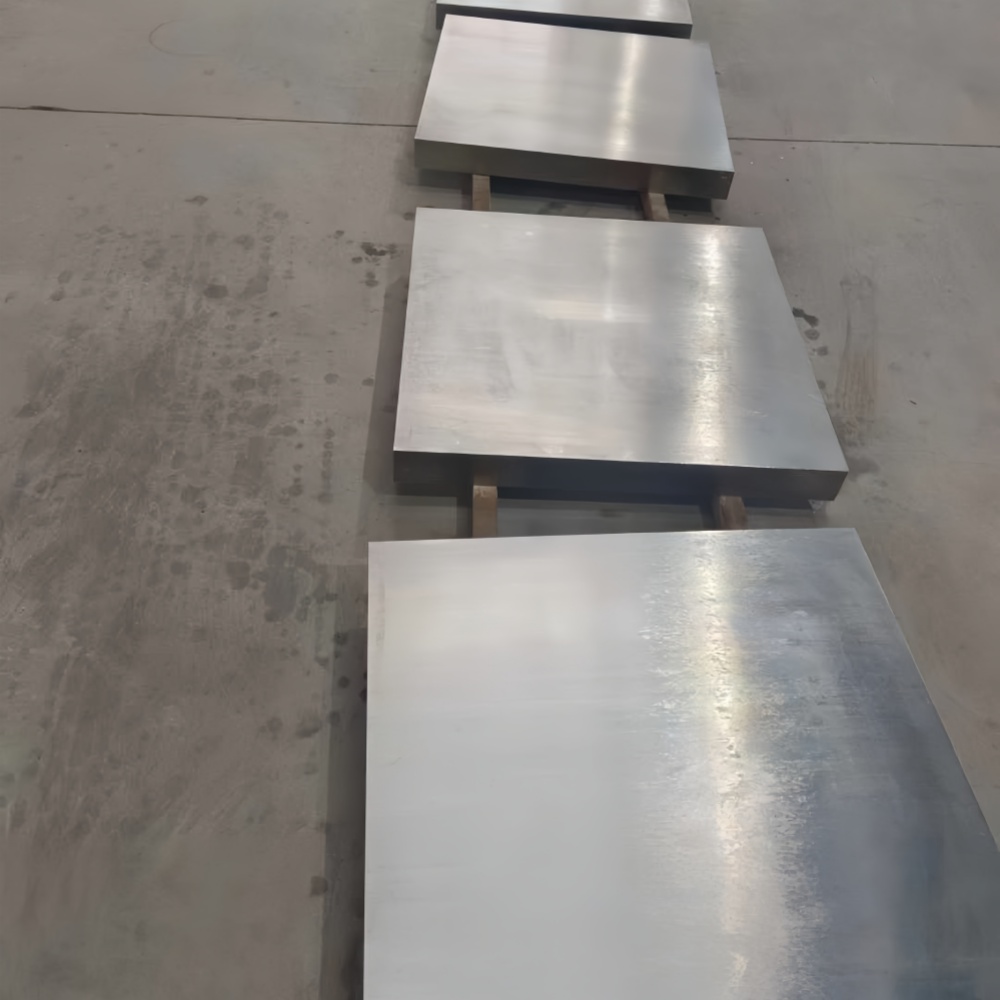
Different 3D printing devices correspond to different titanium alloy substrates. Baoji Yumingda Metal Materials Co., Ltd. serves over 6 3D printing equipment manufacturers, with titanium alloy substrate sizes ranging from 148 * 148mm to 810 * 810mm. From the development of 3D printing technology to its mass production, our company has been fully involved in this technological transformation. Today, based on our company's technological accumulation in the development process, we will talk about the problems that exist in the 3D printing of titanium alloy substrates.
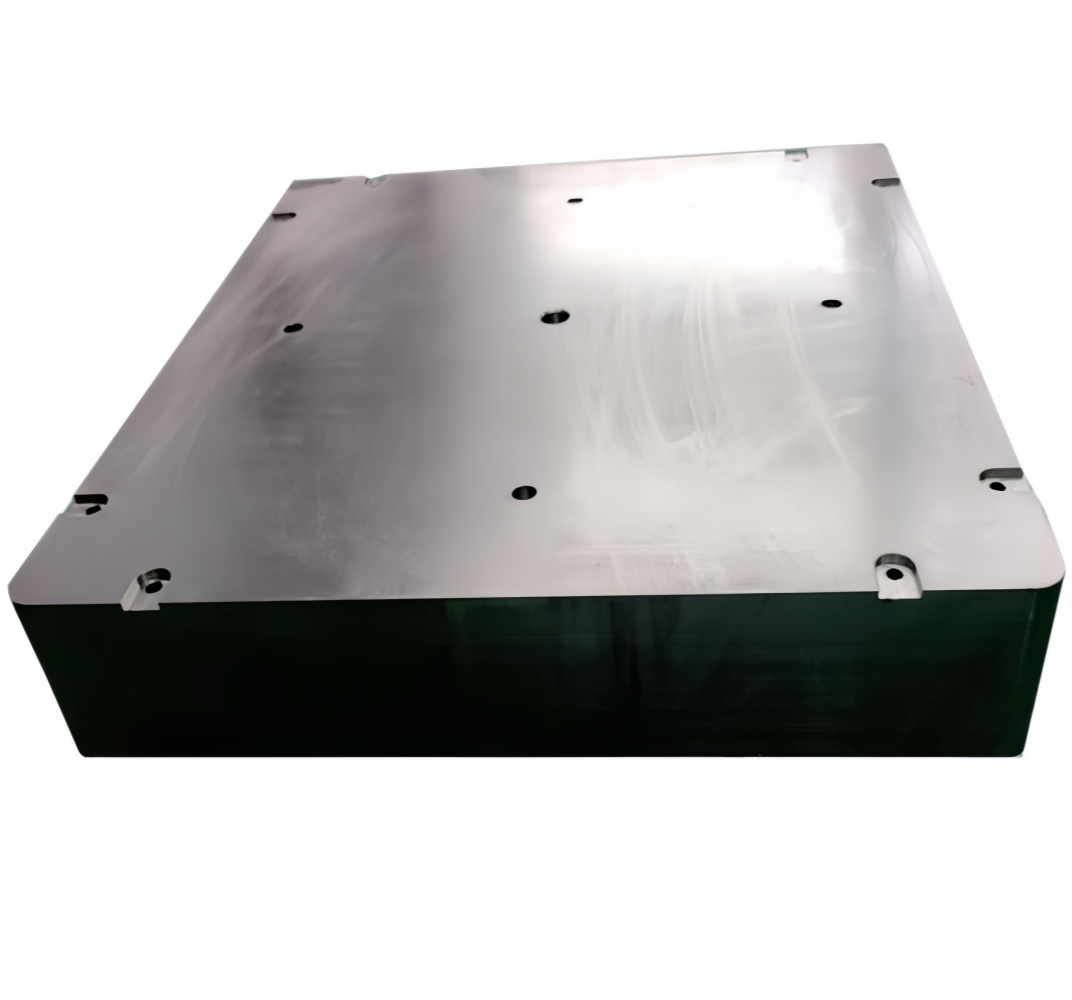
1. Warping and cracking caused by residual stress
During the 3D printing process, the molten pool undergoes rapid heating and cooling cycles, resulting in highly concentrated residual stresses at the connection between the titanium alloy substrate and the component. When the stress exceeds the yield strength of the material, it can cause substrate warping and even component cracking, making the substrate highly susceptible to cracking when subjected to residual stress. Especially when printing large-sized parts, the tensile strength far exceeds that of titanium alloy substrates. It will cause regular cracks on the titanium alloy substrate, with a depth of approximately 0.5-2 millimeters.
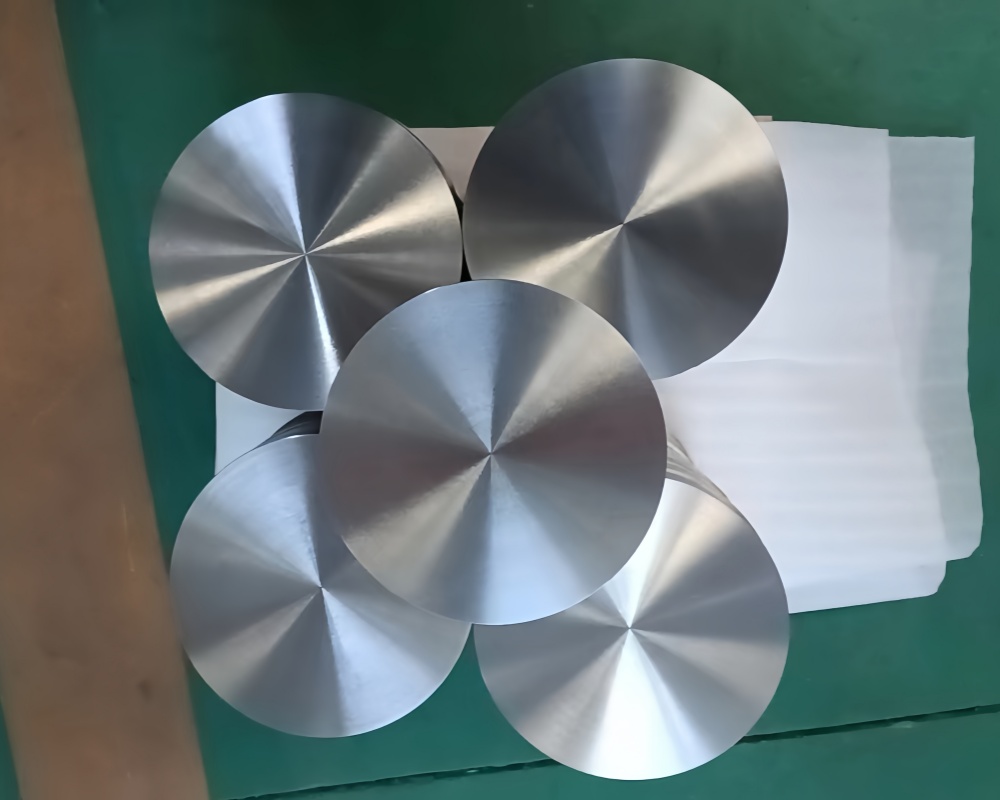
2. The post printing process causes changes in the internal grain size of the substrate
After each 3D printing is completed, the substrate needs to be heat-treated with the printed part in the furnace, and then separated using appropriate processes. The titanium alloy substrate is reused for the next time, and this cycle is repeated. Each heat treatment will cause the grain size of the titanium alloy substrate to grow and the performance to become brittle. After multiple cycles, the risk of substrate cracking and deformation increases.
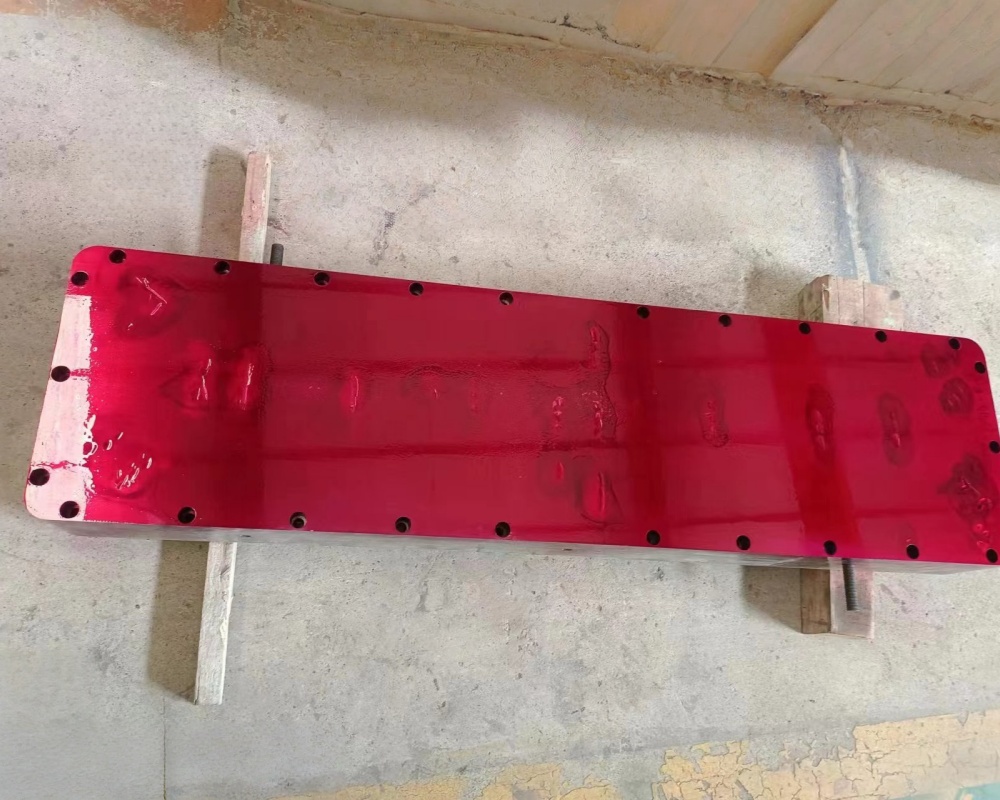
For the above issues, our company seeks solutions from the following three points.
1. Choose more suitable raw materials: strictly select the content of impurity elements (O, N) to avoid causing cracks or pores in the subsequent printing process.
2. Increase melting frequency: The titanium ingots on the titanium alloy substrate are melted using vacuum consumable arc melting (VAR) technology, using a "three time VAR" process to further improve material purity.
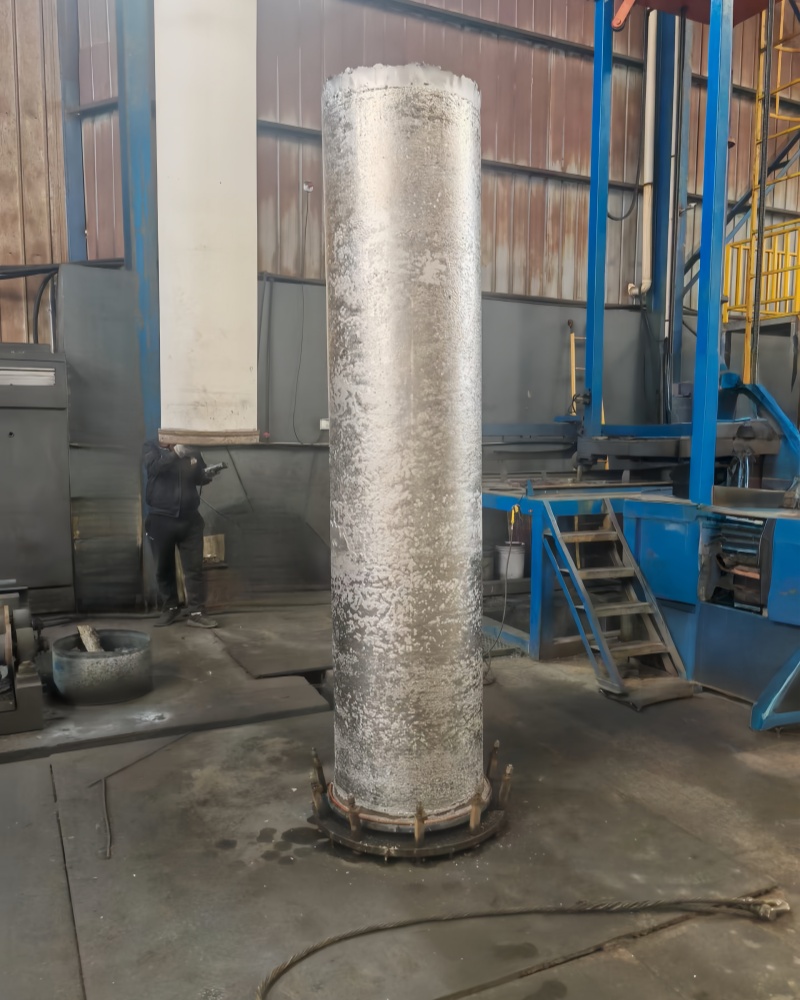
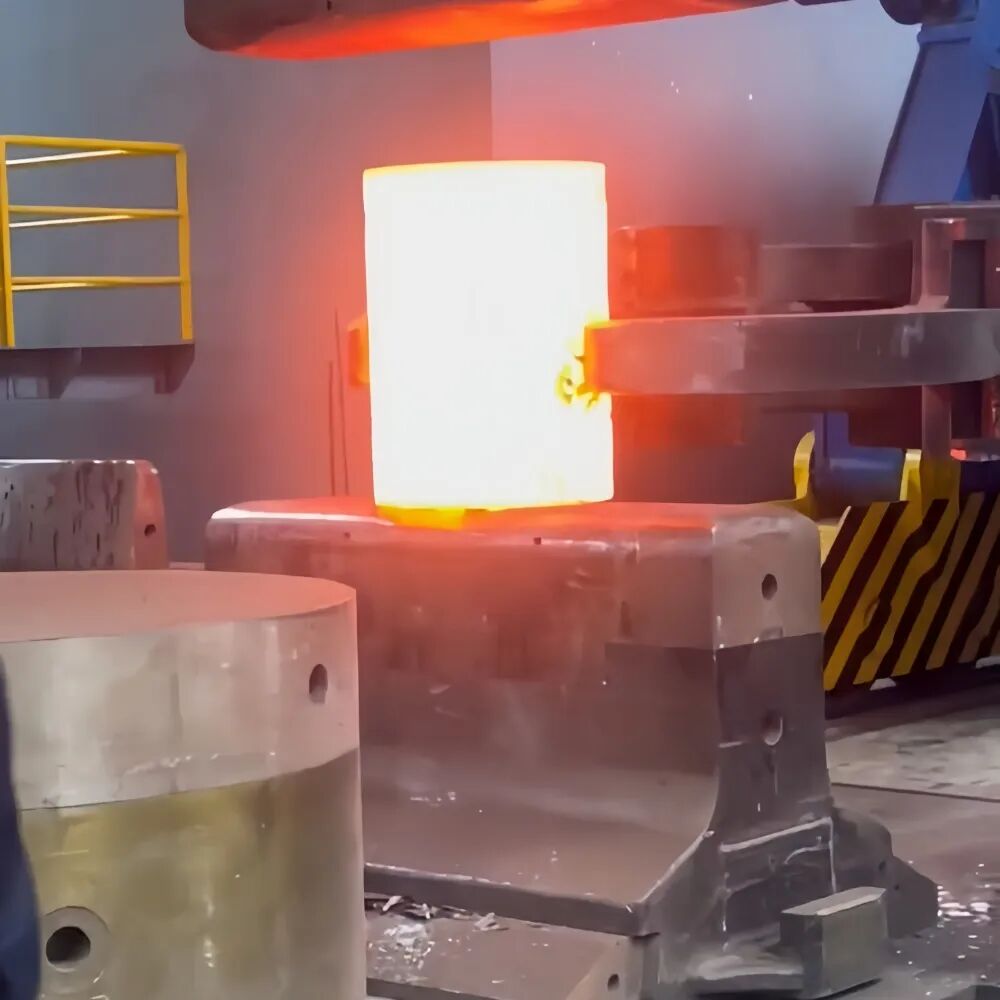
3. Increase forging frequency: Increase the firing frequency during forging to ensure that the grain size of the billet meets the high standard requirements, break down coarse cast grains, and improve density. Reasonable heat treatment system and more rigorous forging process are applied to titanium alloy substrates to effectively suppress stress generation during printing.
With the rapid advancement of 3D printing technology, the shortcomings of titanium substrates are gradually being addressed. As more and more 3D printing companies challenge larger sizes, harder materials, and more extreme working conditions, a titanium alloy substrate that can withstand challenges and costs still requires collaborative innovation in multiple fields such as material preparation and printing processes.
 +86-0917-3217876
 18292732691
 No. 28, Middle section, Baoti Road, Weibin District, Baoji, Shaanxi
 marketing@ymdtitanium.com
 www.ymdtitanium.com


 English
 简体中文
简体中文
 18292732691
 marketing@ymdtitanium.com
 zyh2968808781
 +86 18292732691
 .cid.b0f8e930cd0ba28e
