
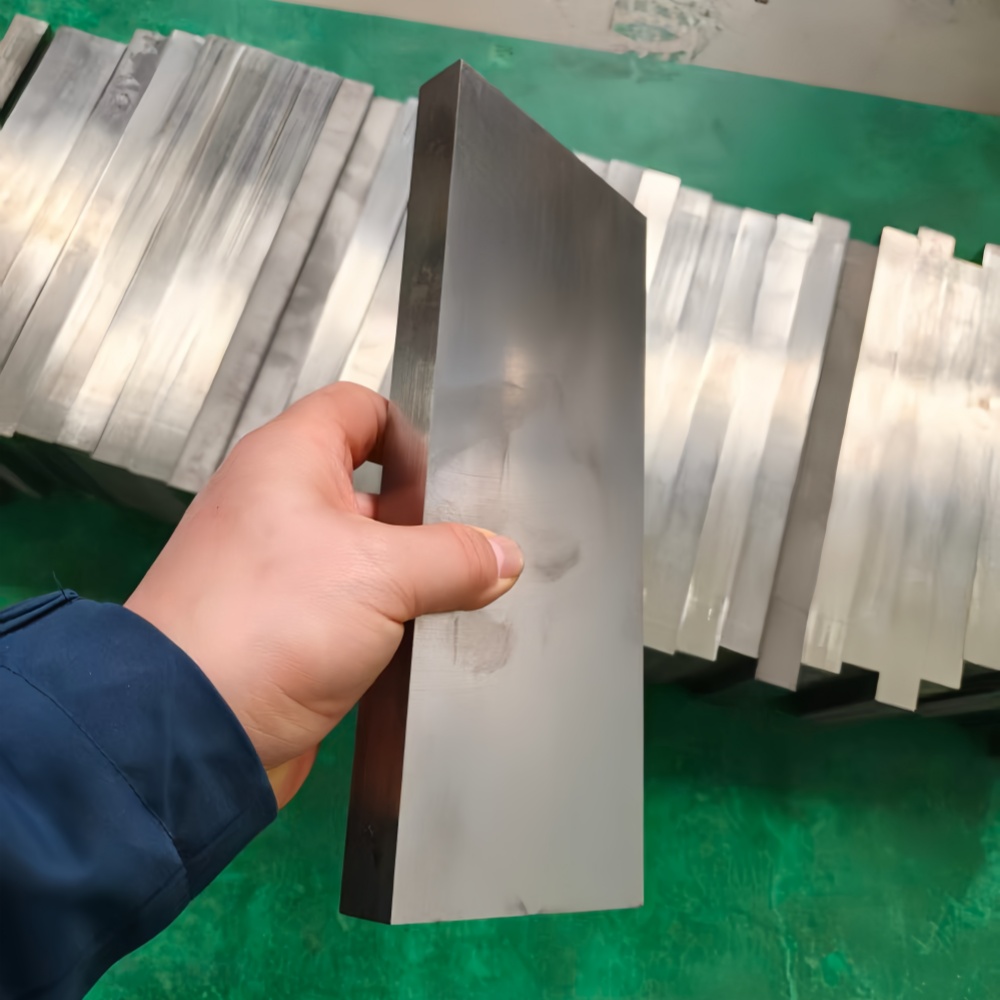
If titanium alloy is compared to a living organism, then the alpha and beta phases are its "DNA", determining the core "genetic traits" such as strength, toughness, and heat resistance of the material. What are alpha phase and beta phase?
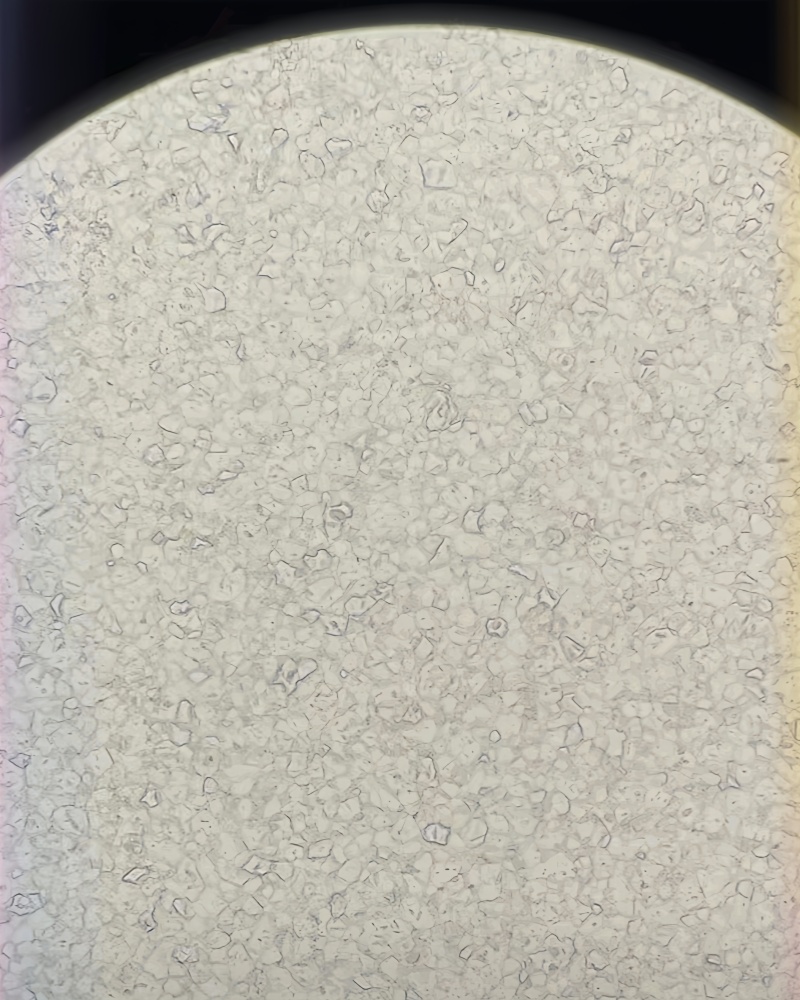
The alpha and beta phases are truly present, but they cannot be seen with the naked eye and can only be observed through a high-power microscope. They can transform into each other. The only condition for transformation is temperature, and the critical point is 882 ℃. Simply put, there are two crystal structures of titanium at different temperatures.
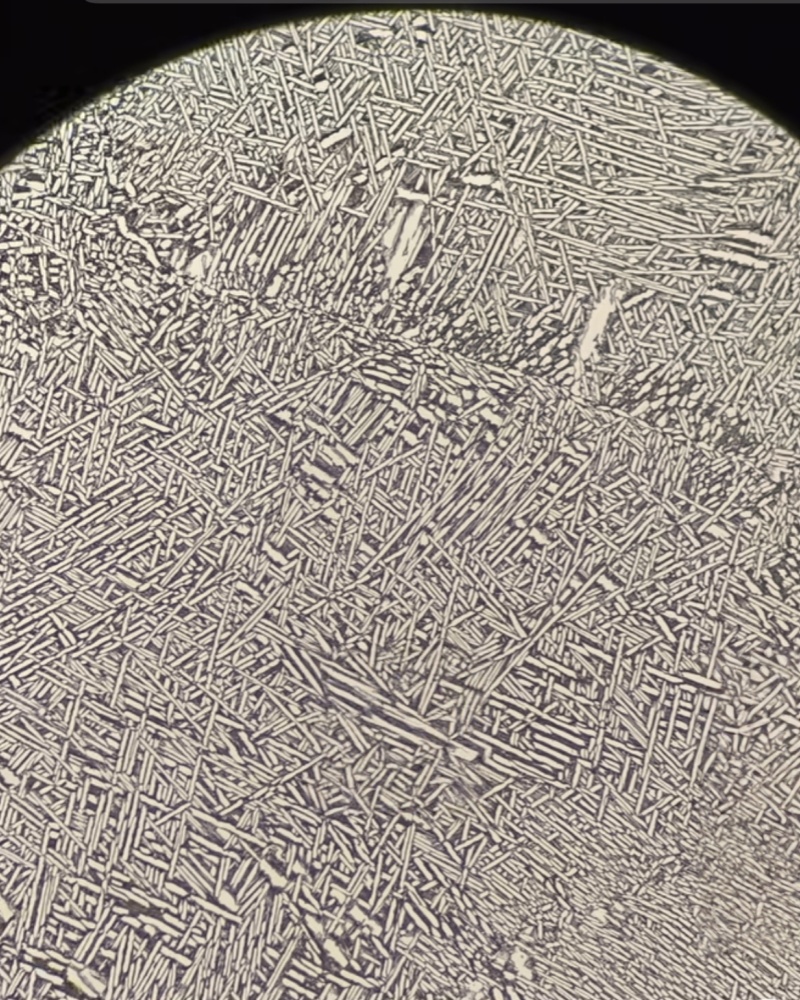
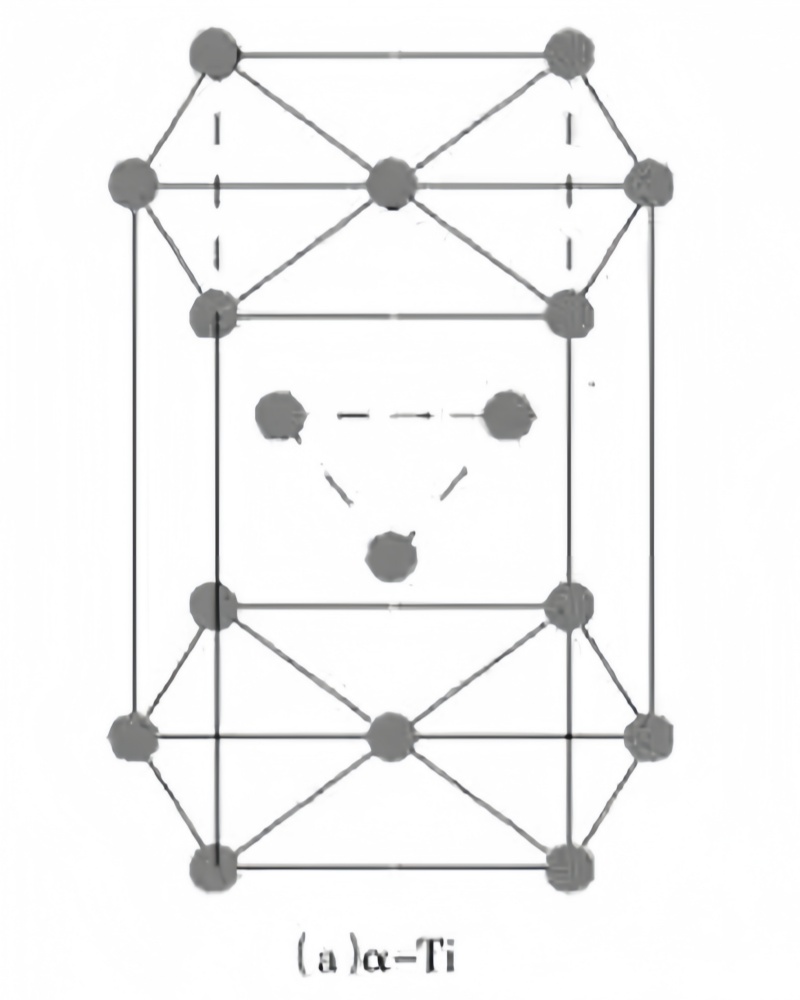
Alpha phase (α - Ti): a "steady faction" that is stable at low temperatures
When the temperature is below 882 ℃, titanium exists in the alpha phase, with atoms arranged in a closely packed hexagonal lattice (HCP).
The core advantages are: extremely stable organization, excellent performance, and full welding performance, making it the most "reliable" structure in titanium alloys; The only shortcoming is that it cannot be strengthened through heat treatment, and the upper limit of strength is relatively fixed. Typical representative products such as TA1 and TA2
Beta phase (β - Ti): a high-temperature flexible "potential faction"
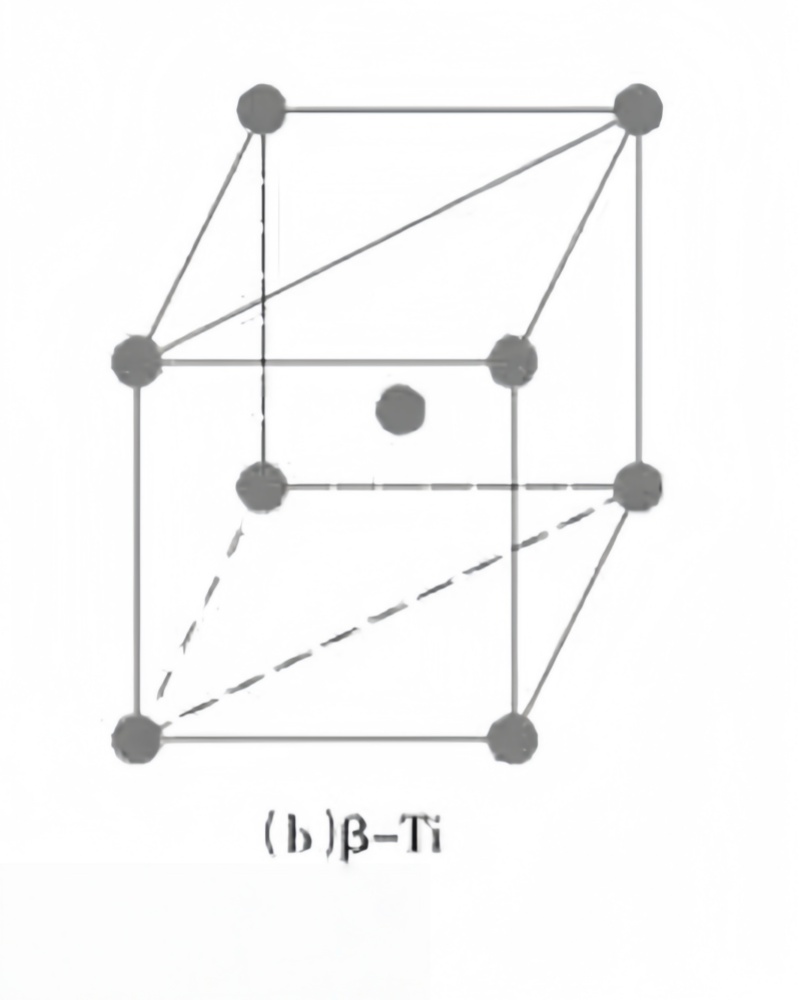
When the temperature exceeds 882 ℃, titanium will transform into the β phase, with atoms arranged in a body centered cubic lattice (BCC).
Unlike the stability of the alpha phase, the beta phase is the "energetic" in titanium alloys, adopting a body centered cubic crystal structure with relatively loose atomic arrangement and more slip surfaces, like a flexible and versatile team. This structure endows the β phase with excellent plasticity and processability, making it more prone to deformation during forging, stamping, and other processing. At the same time, through quenching and aging treatment, its strength can be further enhanced.
The characteristics of the beta phase are in great contrast to the alpha phase: it has excellent plasticity and is particularly easy to form by cold working. The most prominent feature is that it can achieve super strong hardening through heat treatment, with a very high upper limit of strength; The disadvantages are also obvious, with poor stability at high temperatures. Typical representative products include TC4 (Ti-6Al-4V)
Both the alpha phase and beta phase have their own limitations, with the alpha phase having insufficient strength at room temperature and the beta phase having poor high-temperature performance. And when the two coexist in an appropriate proportion, a synergistic effect of 1+1>2 can be produced, which is the charm of alpha+beta titanium alloys (TC series).
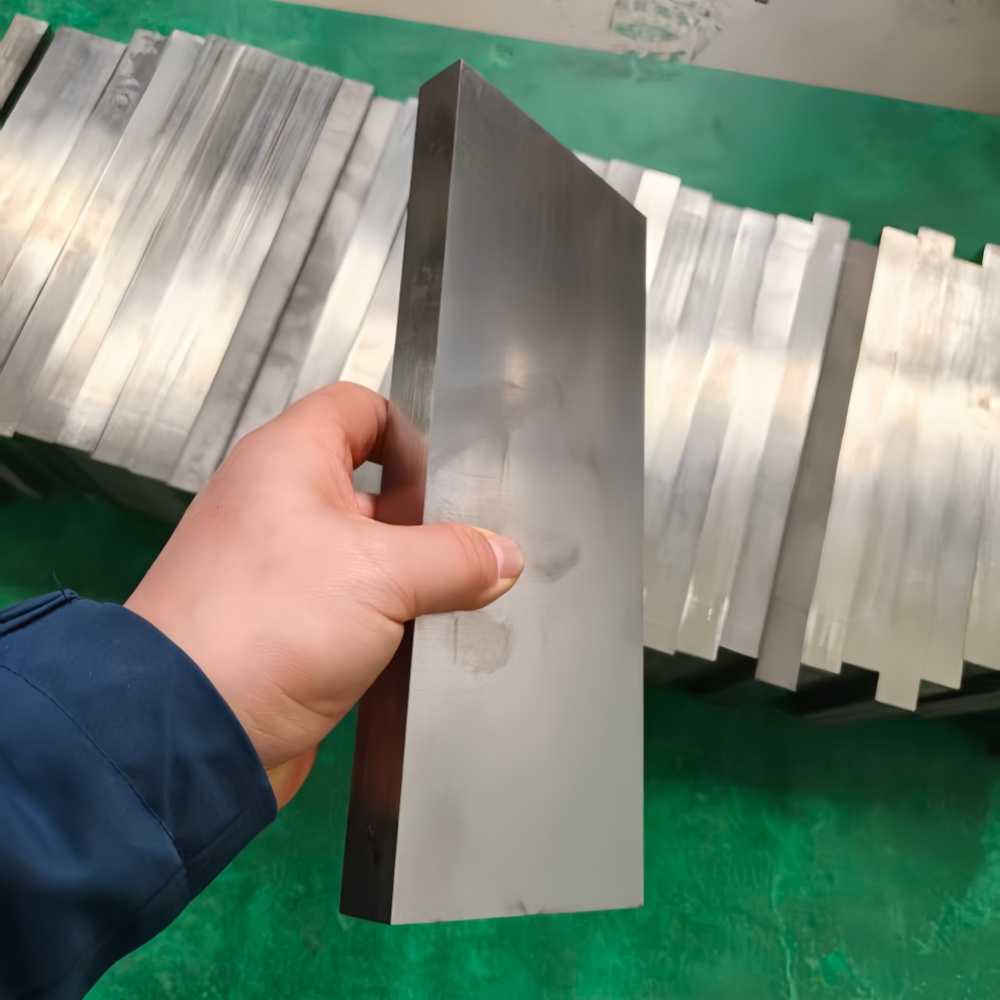
In TC4 alloy, 6% aluminum is used as an alpha stabilizing element to stabilize the structure of the alpha phase and enhance the strength and heat resistance of the alloy; 4% vanadium serves as a beta stabilizing element, maintaining the presence of the beta phase and enhancing the plasticity and workability of the alloy. By adjusting the heat treatment process, engineers can precisely control the ratio, morphology, and distribution of alpha and beta phases, customizing material properties like editing genes. For example, in solid solution treatment, increasing the heating temperature will reduce the content of primary alpha phase, increase the proportion of beta phase, and improve the plasticity of the alloy; Aging treatment can decompose the β phase into small secondary α phases, which hinder dislocation movement and significantly improve the strength of the alloy.
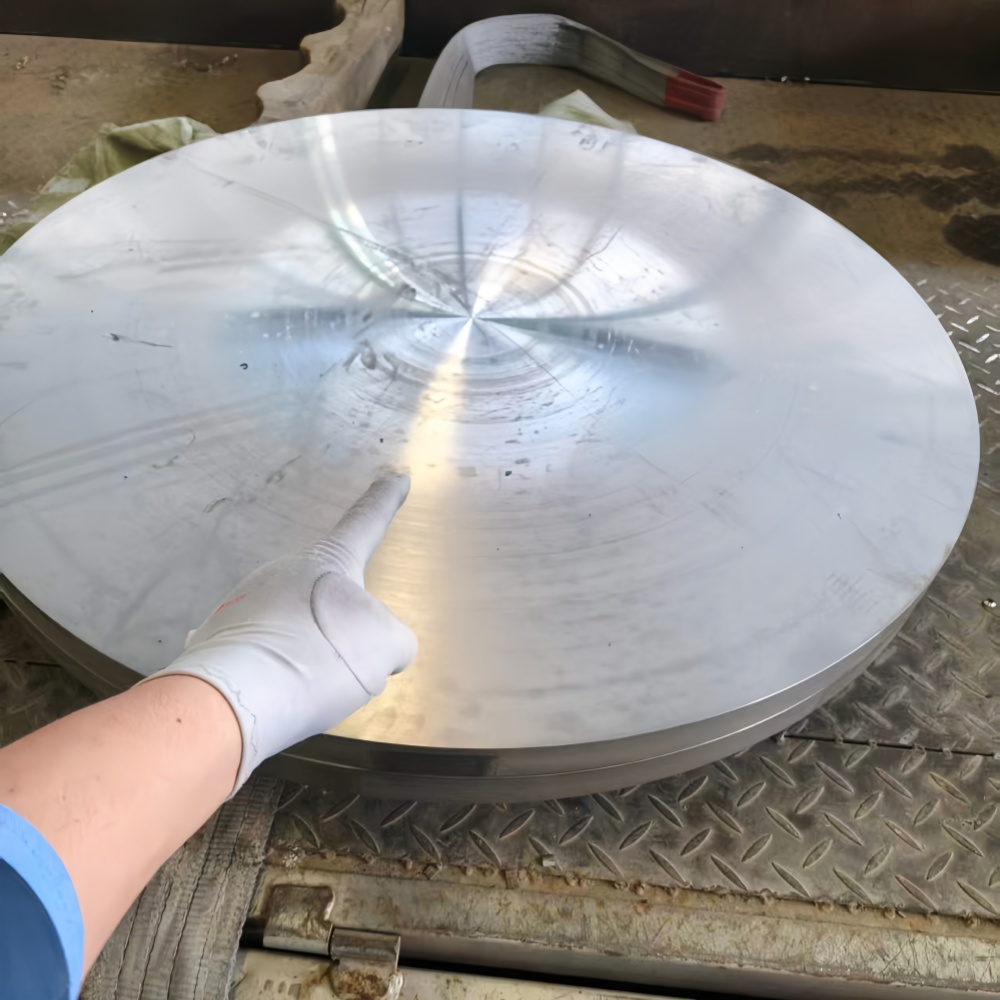
The alpha phase and beta phase are a single cell in the microstructure of titanium and titanium alloys. Different organizational forms correspond to different performance characteristics. With the development of materials science and the improvement of technology, research on alpha and beta phases continues to deepen, gradually unlocking more "genetic codes". From high-temperature components in aerospace to orthopedic implants in biomedical fields, the alpha and beta phases are like the "double helix DNA" of titanium alloy, performing magic of performance in the microscopic world. In the future, with the further unlocking of the "dual phase password", titanium alloys will surely shine in more fields and become a key material to promote technological progress.
 +86-0917-3217876
 18292732691
 No. 28, Middle section, Baoti Road, Weibin District, Baoji, Shaanxi
 marketing@ymdtitanium.com
 www.ymdtitanium.com


 English
 简体中文
简体中文
 18292732691
 marketing@ymdtitanium.com
 zyh2968808781
 +86 18292732691
 .cid.b0f8e930cd0ba28e
