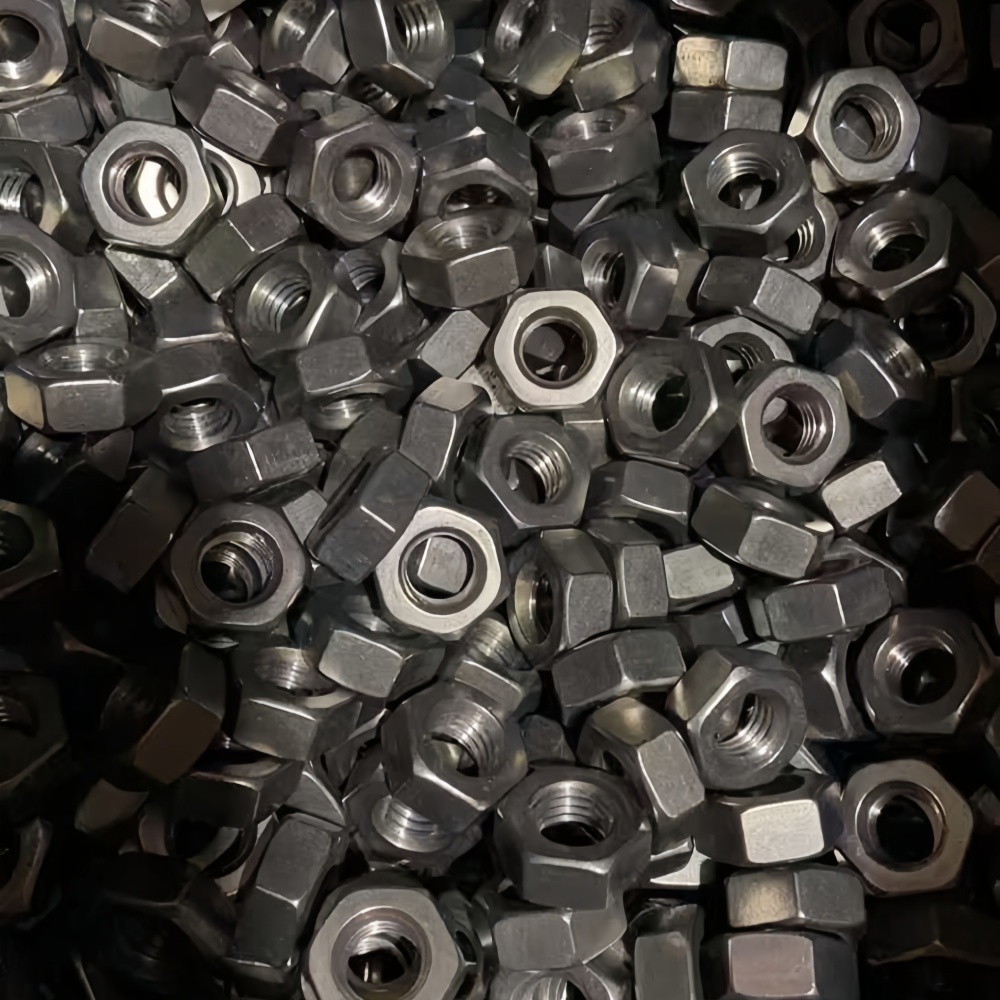
From a titanium ingot to a qualified finished product, a titanium bolt indeed undergoes a series of precise and rigorous manufacturing processes. Each step directly affects the performance and reliability of the final product. What seems like a simple titanium fastener is actually a complex and precise production process, and each step plays a decisive role in the performance of the final product. Today, Baoji Yumingda Metal Materials Co., Ltd. follows its own processing procedures to detail the complete production process of the titanium bolt, taking you on a journey through the production of titanium fasteners from titanium ingots.
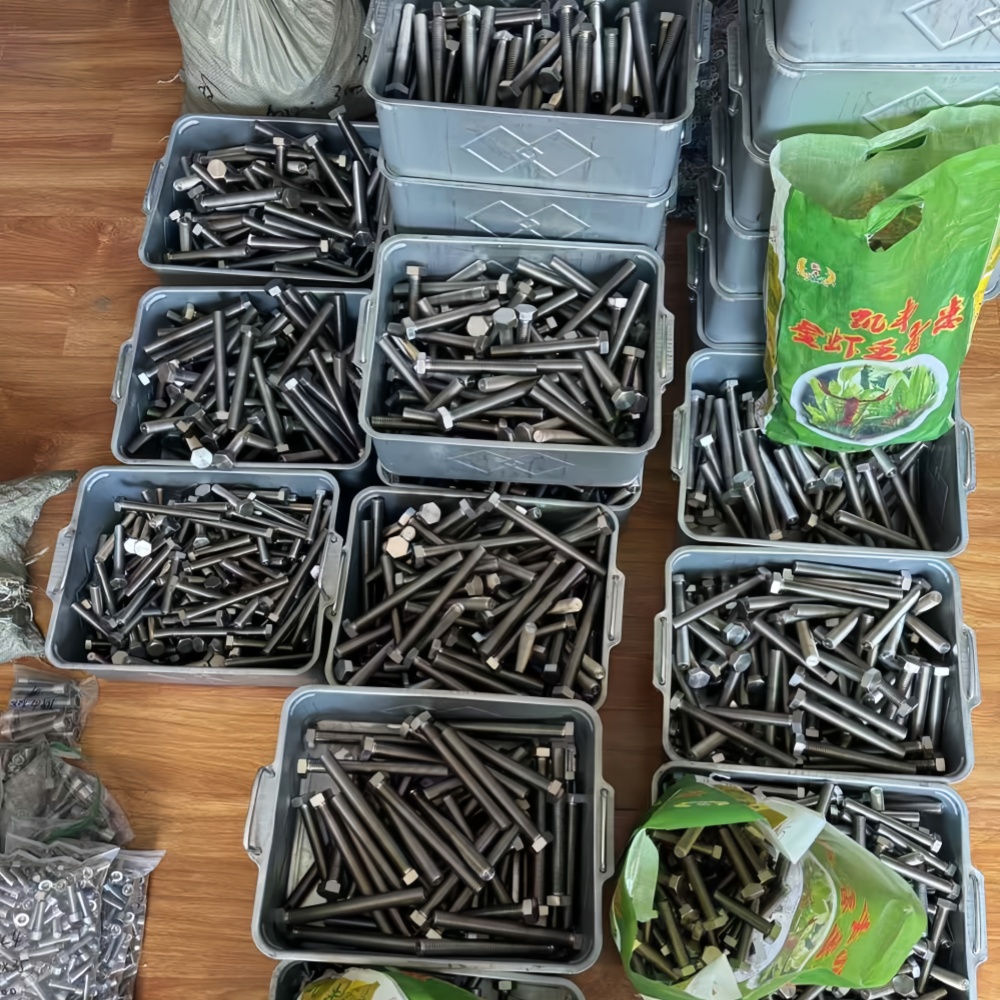
Raw Material Selection
The starting point for titanium bolts is high-quality titanium ingots. They are usually melted three times using the vacuum arc remelting (VAR) process to ensure uniform composition and extremely low impurity content. Depending on the application, different titanium materials are selected:
TA2: Industrial pure titanium, with good corrosion resistance, suitable for chemical engineering, medical fields, etc.;
TC4 (Ti-6Al-4V): α+β type alloy, with high strength and excellent specific strength, accounting for over 95% of the usage in aerospace fasteners.
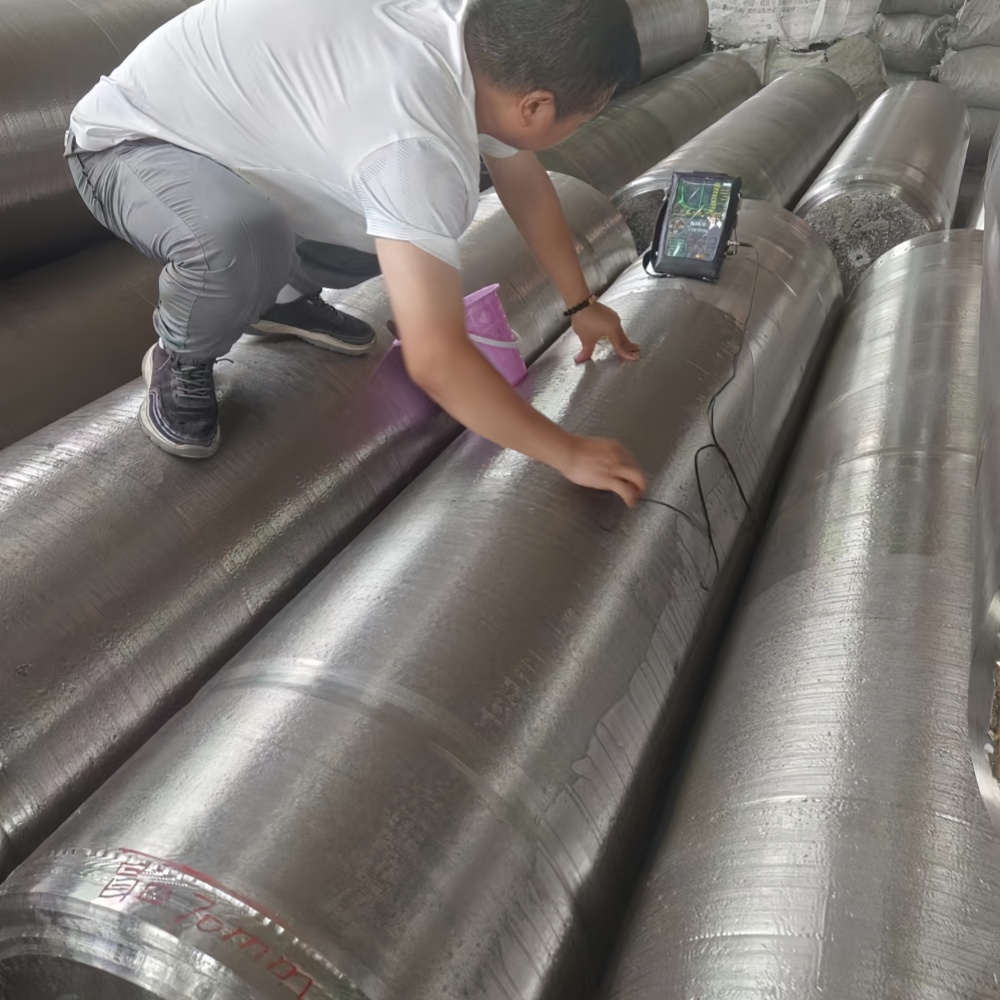
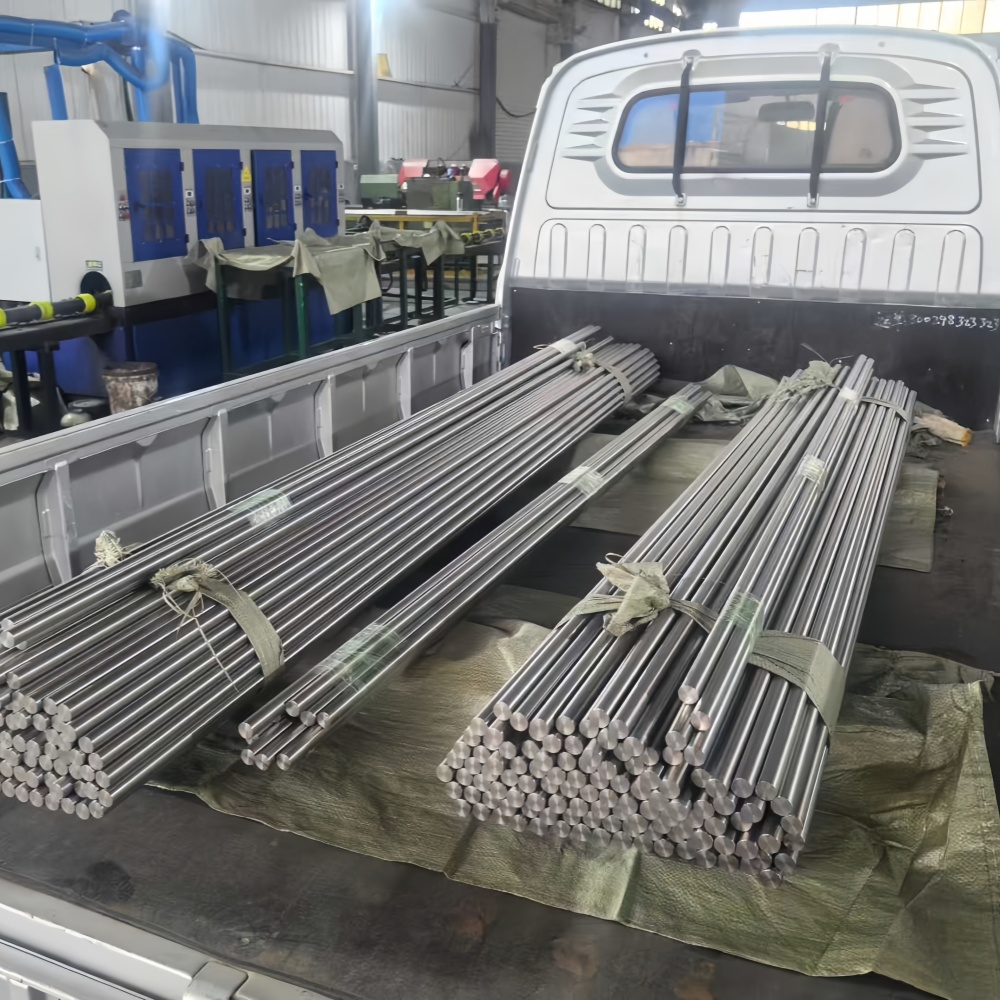
Drawing (toughening) - The titanium rods are processed into the desired diameter wire through multiple passes of cold drawing or hot rolling. This process not only changes the size but also enhances the strength and plasticity of the material. For ultra-fine wires (such as with a diameter of Φ < 3mm), a "multi-stage drawing + lubrication" technique is required to prevent breakage.
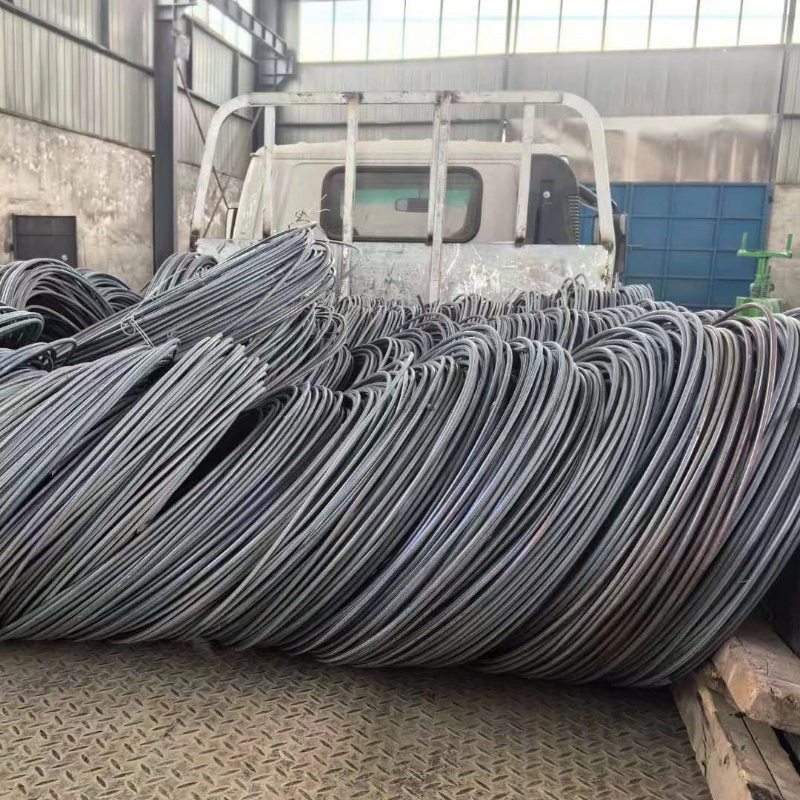
Vacuum annealing is carried out to eliminate work hardening, restore the plasticity of the material, and facilitate subsequent forming. Common processes include:
Re-crystallization annealing: Heating to 700–800℃ to allow the grains to re-align, thereby enhancing ductility;
Homogenization annealing: Eliminating the compositional segregation in the ingot and improving the consistency of the structure.
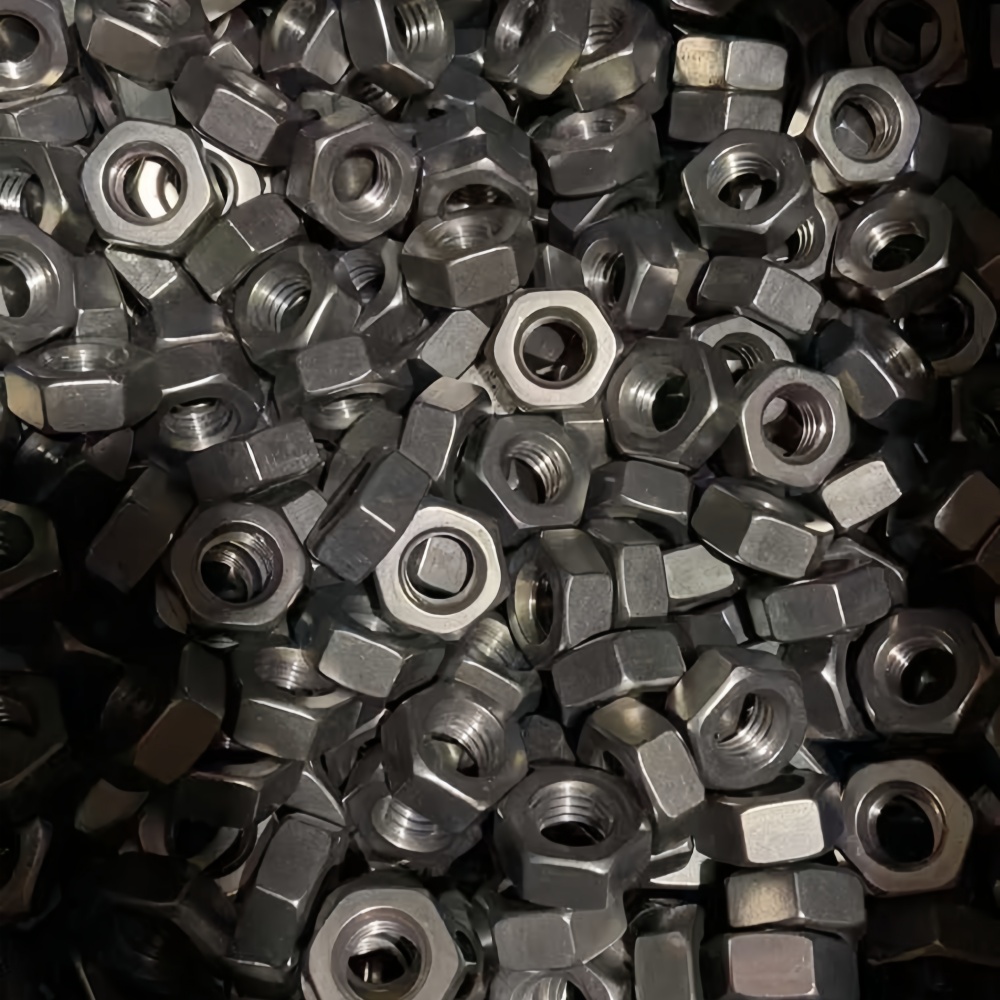
Pickling removes the oxide scale and contaminants formed on the surface of titanium materials during the hot processing. It is commonly carried out using a mixed solution of hydrofluoric acid and nitric acid for chemical cleaning. After pickling, water washing and neutralization treatment are also required to ensure a clean surface and avoid subsequent processing defects.
Cold extrusion (or warm extrusion) forming
Using a mold, titanium wire is pressed into a bolt blank at room temperature or after heating:
Cold extrusion: Suitable for β-type titanium alloys with excellent room temperature plasticity (such as TB2, TB5, Ti-45Nb);
Warm extrusion: For α+β alloys like TC4, they need to be heated to 650–800℃ for warm extrusion to reduce the deformation resistance and prevent cracking.
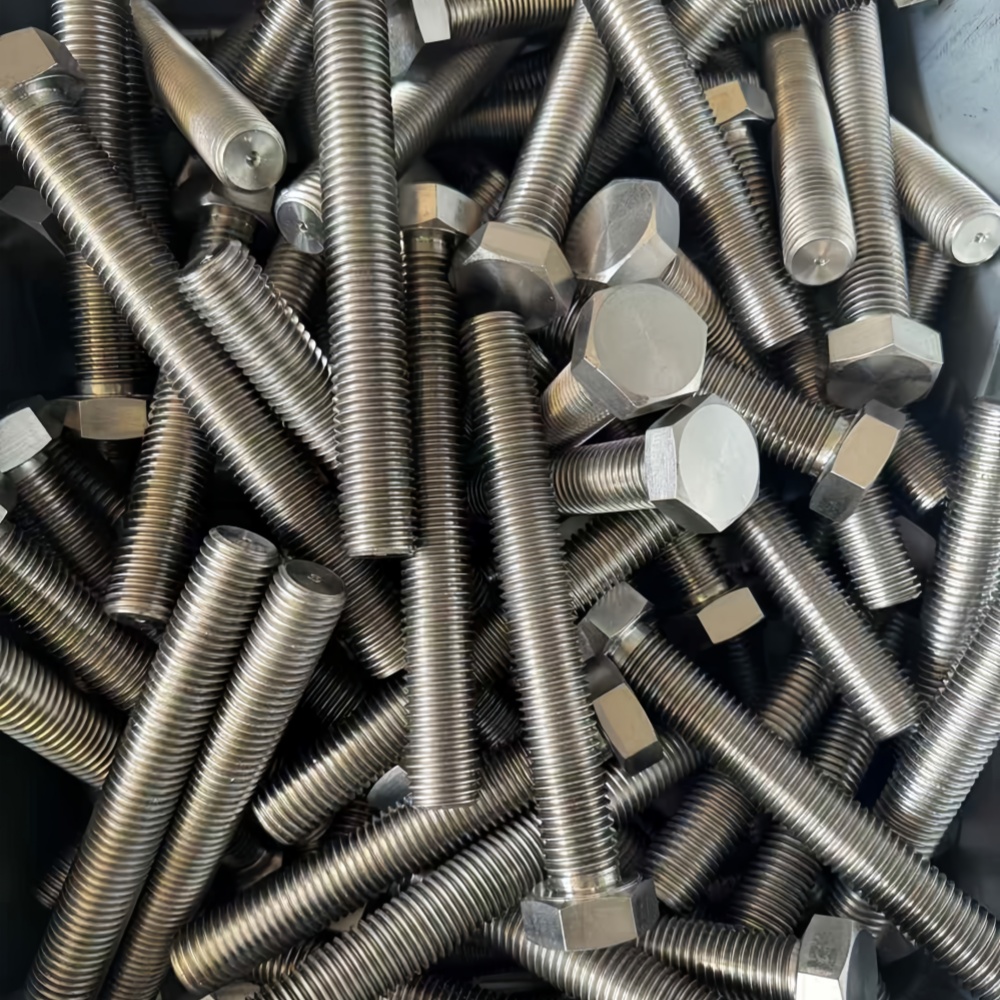
Thread processing: Threads are formed through rolling or cutting methods:
Rolling threads: Cold hardening can enhance thread strength, suitable for mass production;
Cutting threads: Used for large-sized or special-shaped bolts, with higher precision but lower efficiency.
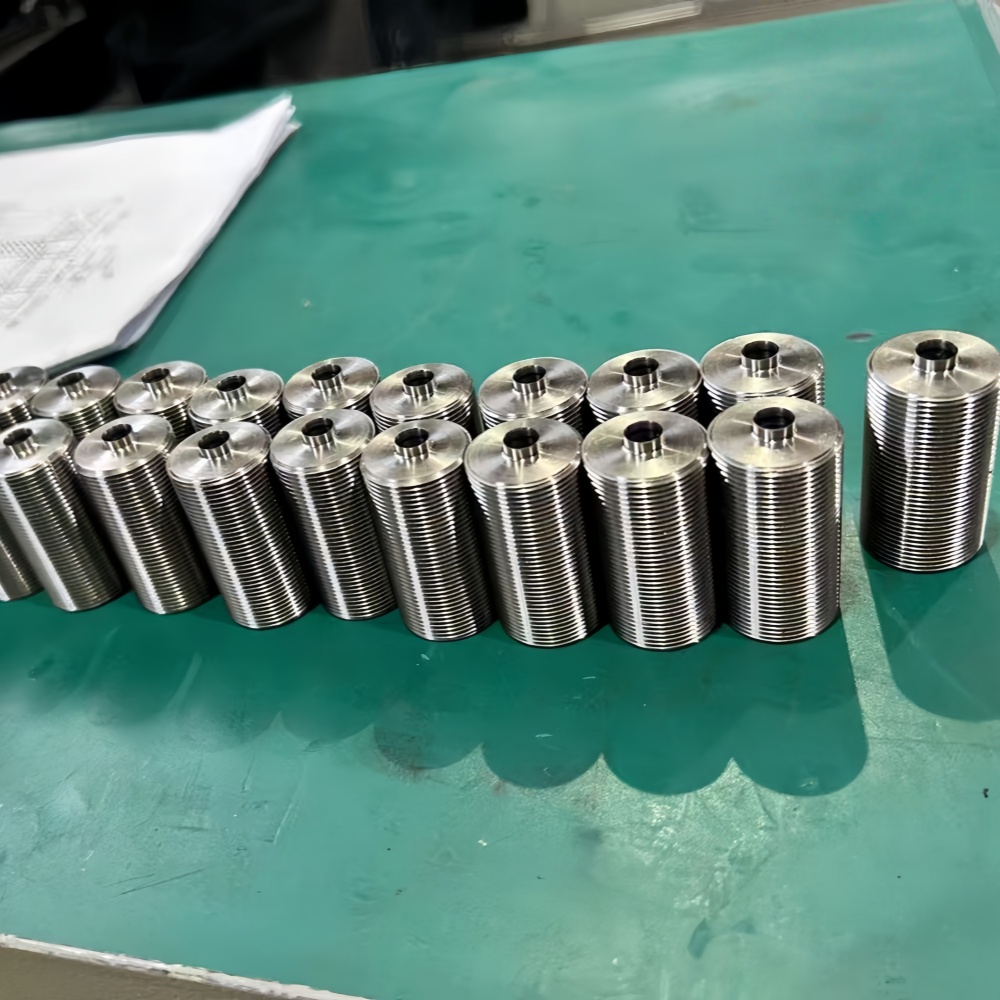
Heat treatment: For high-strength bolts, quenching and tempering treatment must be carried out to enhance the comprehensive mechanical properties:
Solution + aging treatment: Suitable for alloys such as TC4. First, perform high-temperature solution treatment and then low-temperature aging. Fine α phase is precipitated, resulting in an increase in strength of over 30%.
After heat treatment, the hardness, tensile strength and yield strength ratio must be strictly controlled to ensure compliance with the 8.8 or 10.9 grade standards.
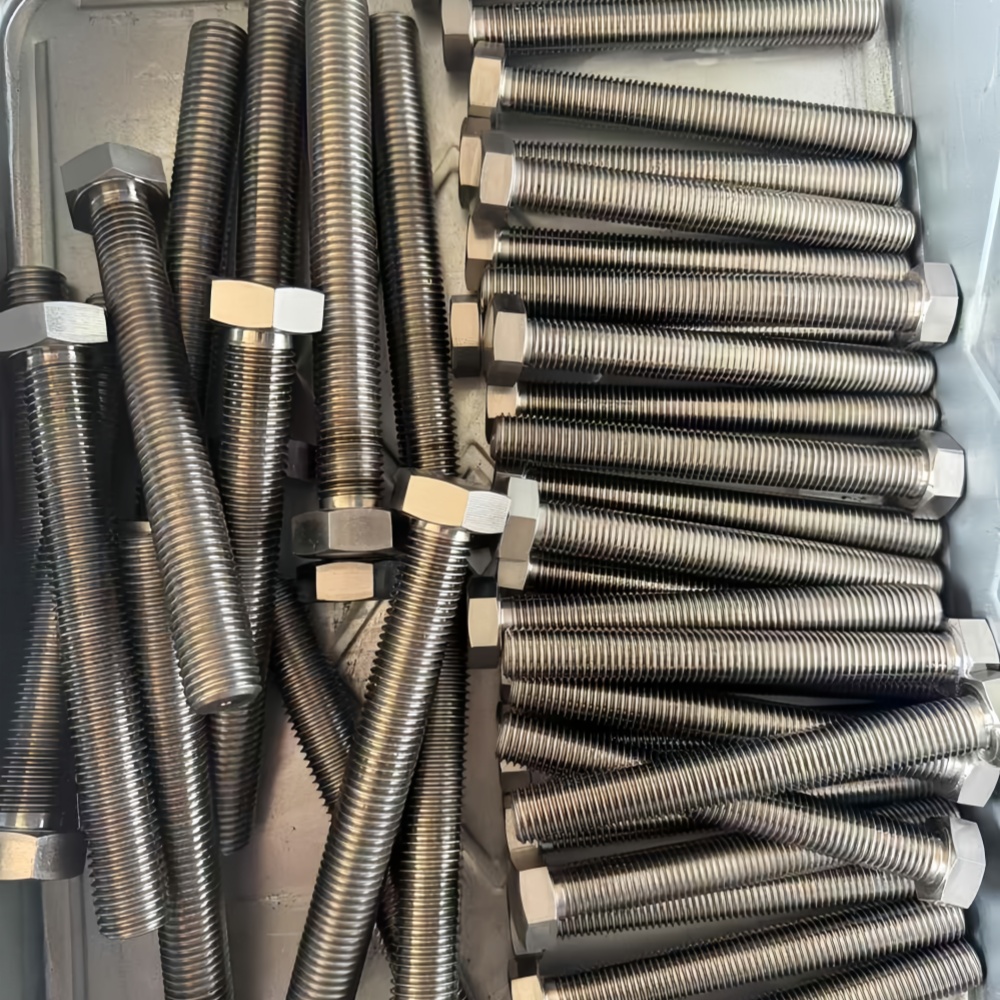
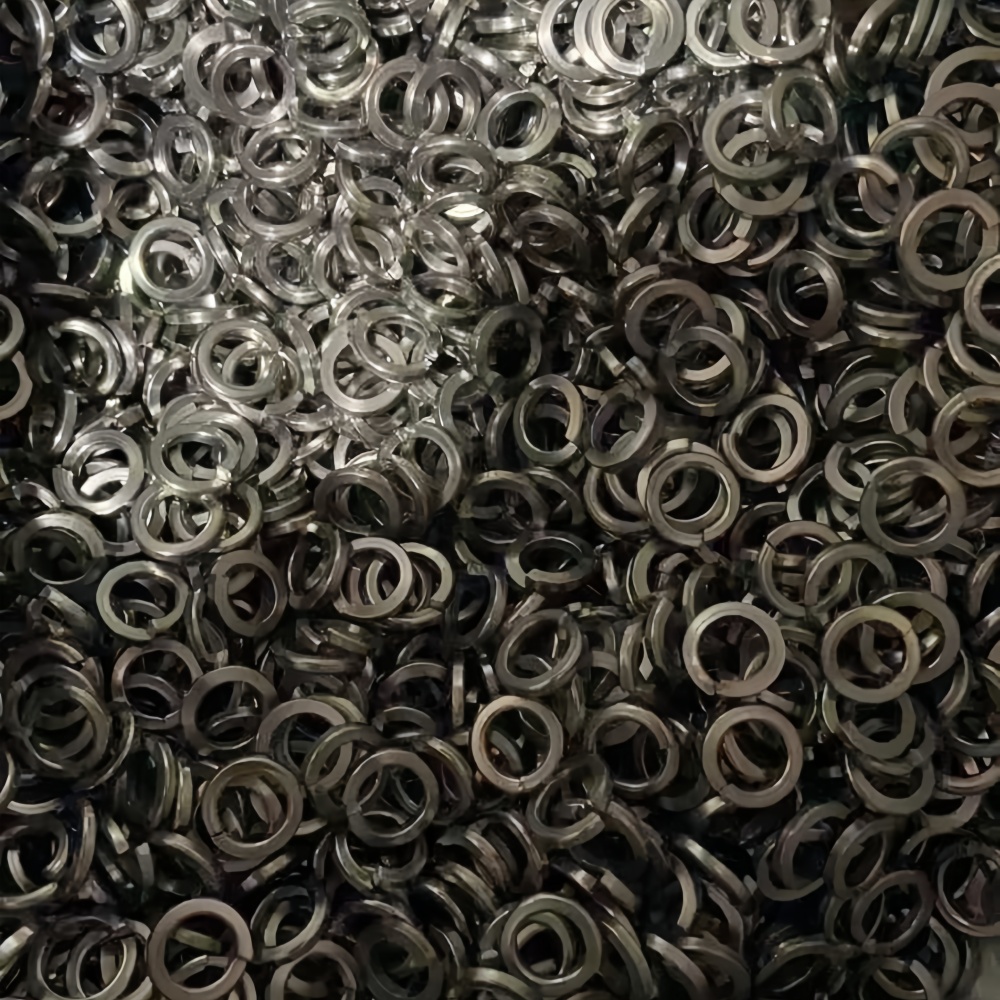
Surface treatment enhances corrosion resistance, wear resistance and appearance quality. Common methods include:
Anodizing: Forms a dense oxide film, providing both anti-corrosion and decorative functions, and can also be dyed;
Micro-arc oxidation: Generates a ceramic coating (5μm), reducing the friction coefficient from 0.8 to 0.15, significantly improving anti-sticking performance;
Sandblasting/Polishing: Improves surface smoothness, suitable for medical or high-end consumer goods fields.
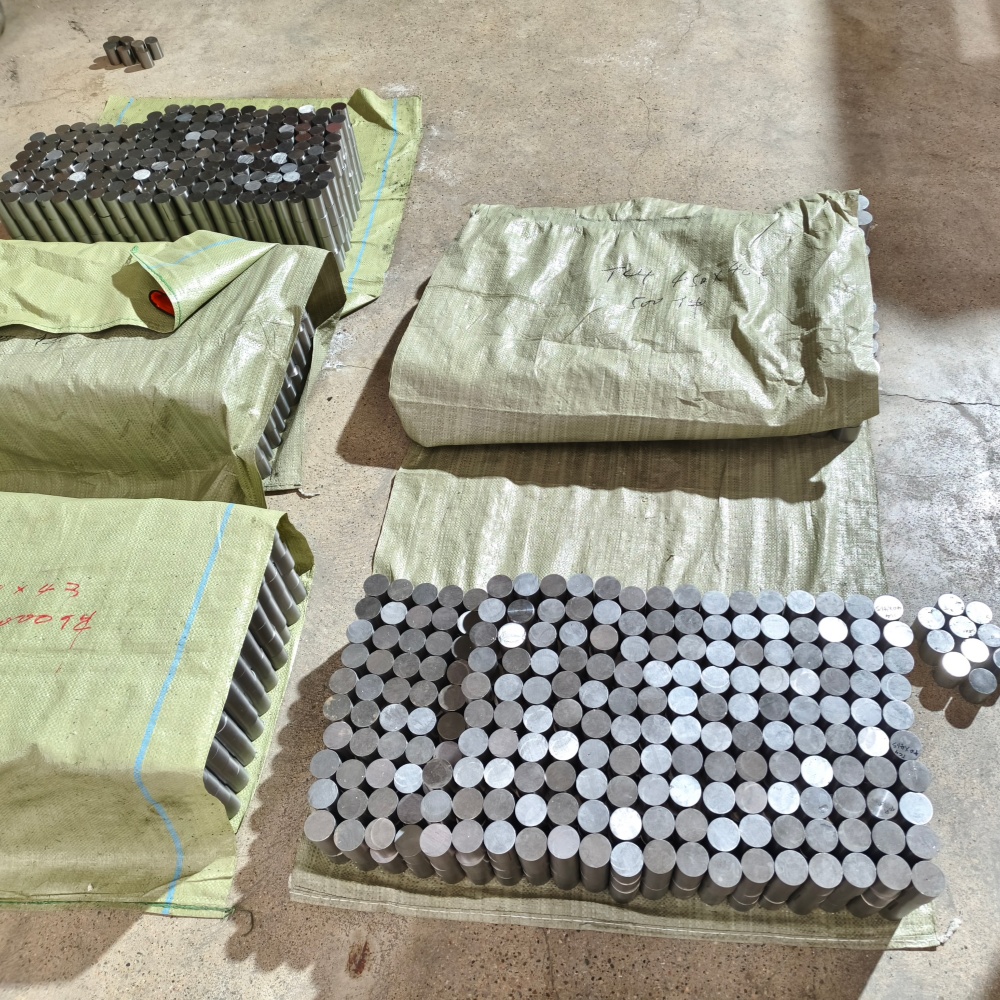
Product Inspection
Comprehensive quality control is a crucial step in ensuring the reliability of titanium bolts. The inspection items include:
Chemical composition analysis: Use a spectrometer to confirm the content of alloy elements;
Mechanical performance testing: Sampled for tensile, hardness, and impact tests;
Non-destructive testing: Ultrasonic testing to detect internal defects, and eddy current testing to check surface cracks;
Dimension and appearance inspection: Ensure compliance with international standards such as GB/T, ISO, and AMS.
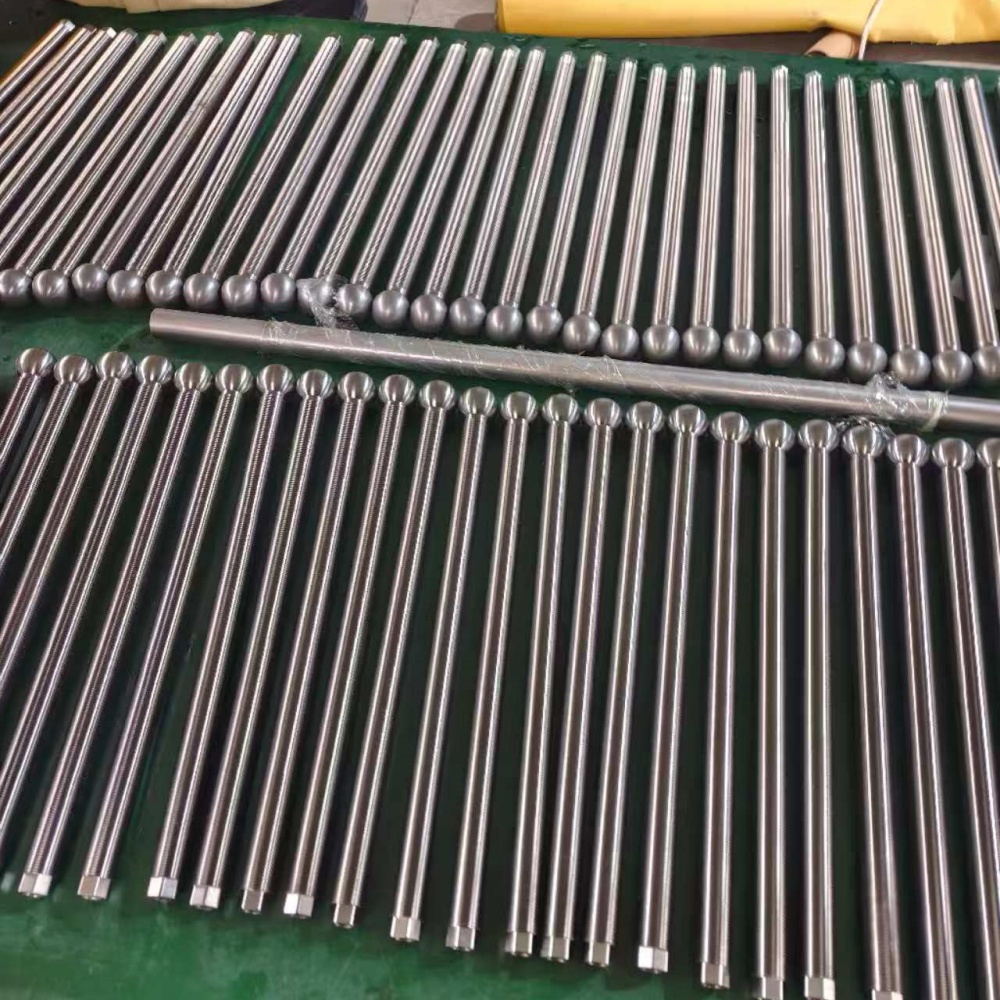
Titanium bolts, due to their lightweight, high strength, and corrosion resistance, have been widely used in various fields such as aerospace (with approximately 200,000 pieces used in each C919 aircraft), marine engineering, medical devices, and high-end equipment manufacturing. With the development of intelligent manufacturing and precision processing technologies, the performance boundaries of titanium bolts are still expanding.
 +86-0917-3217876
 18292732691
 No. 28, Middle section, Baoti Road, Weibin District, Baoji, Shaanxi
 marketing@ymdtitanium.com
 www.ymdtitanium.com


 English
 简体中文
简体中文
 18292732691
 marketing@ymdtitanium.com
 zyh2968808781
 +86 18292732691
 .cid.b0f8e930cd0ba28e
