
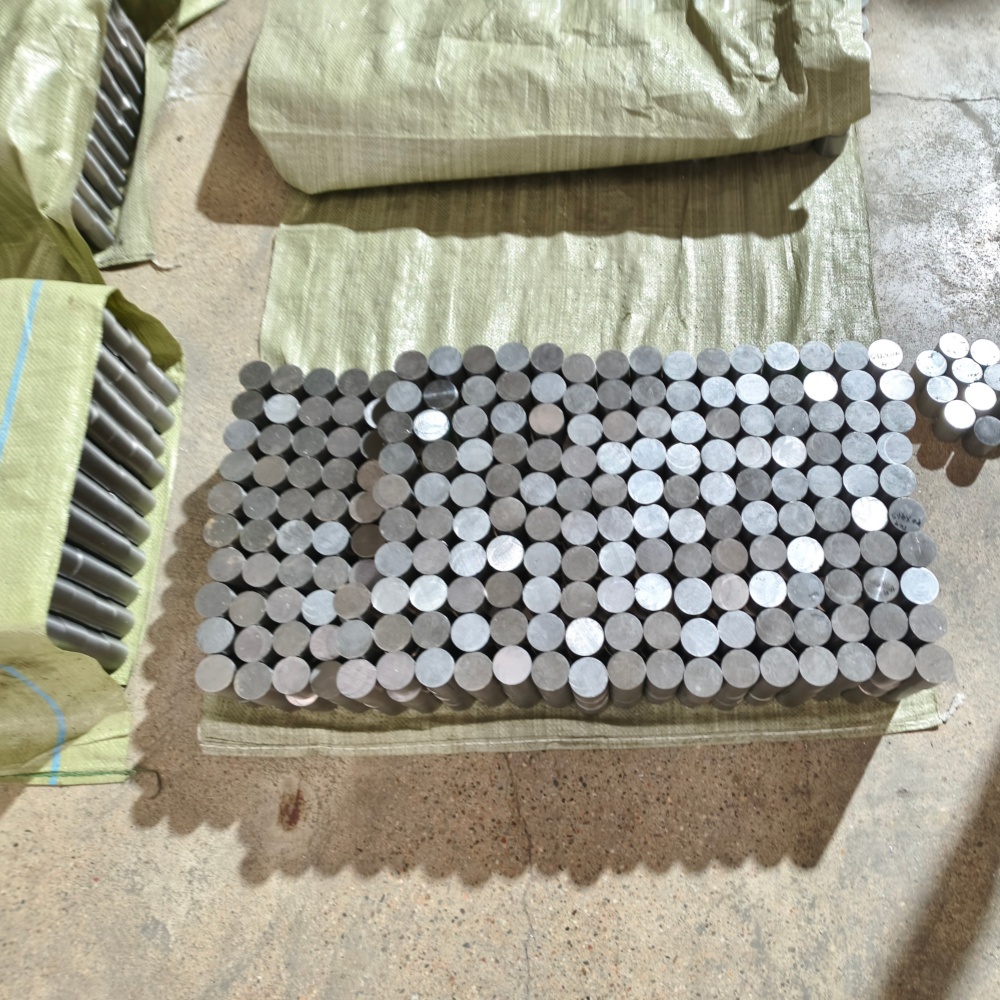
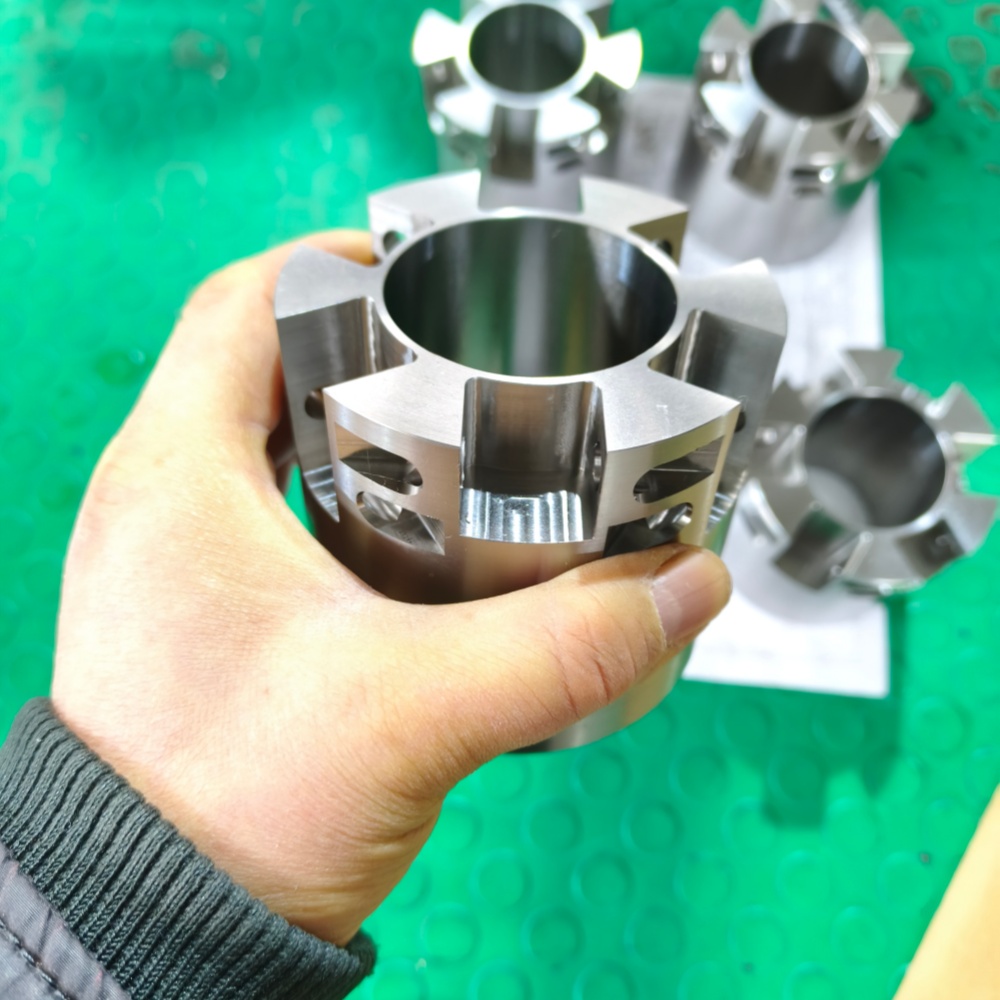
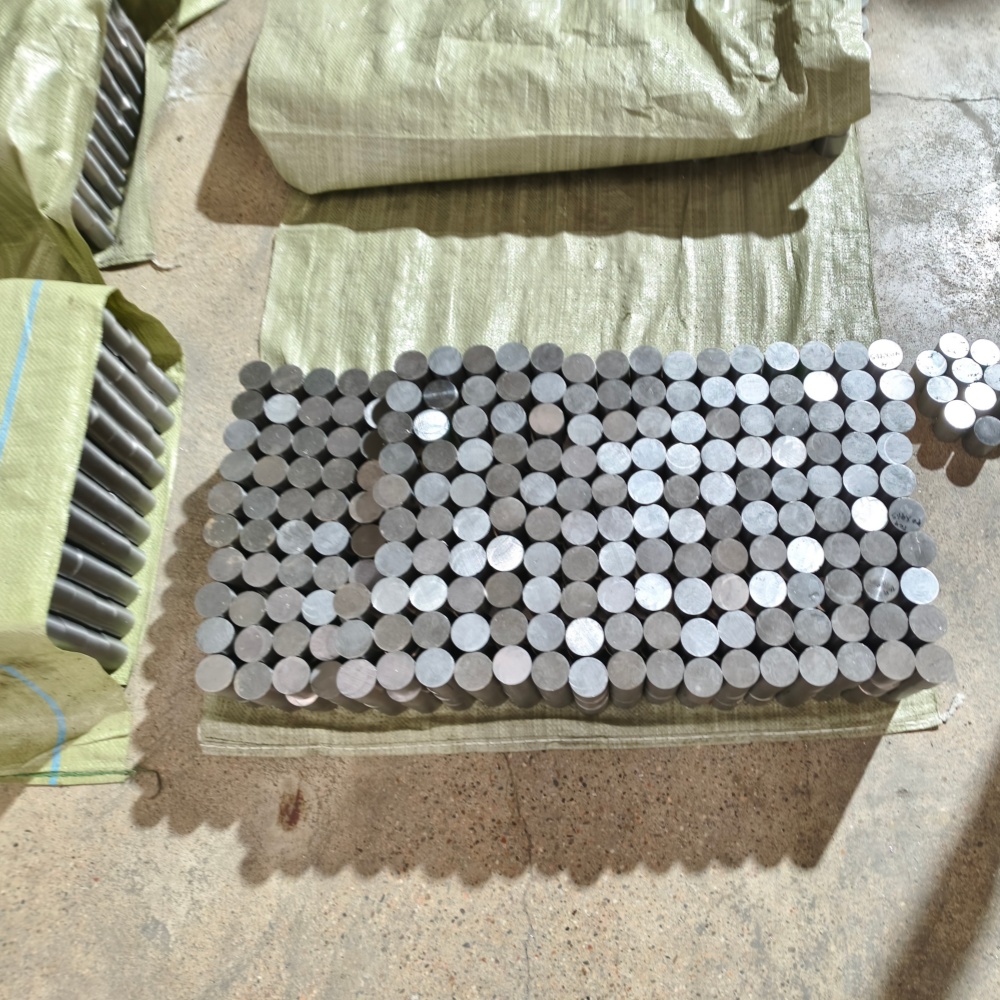
As a producer of titanium and titanium alloy materials, export is one of our very important sales channels. We often use wooden pallets. Here, let's talk about some simple knowledge about fumigated wooden pallets.
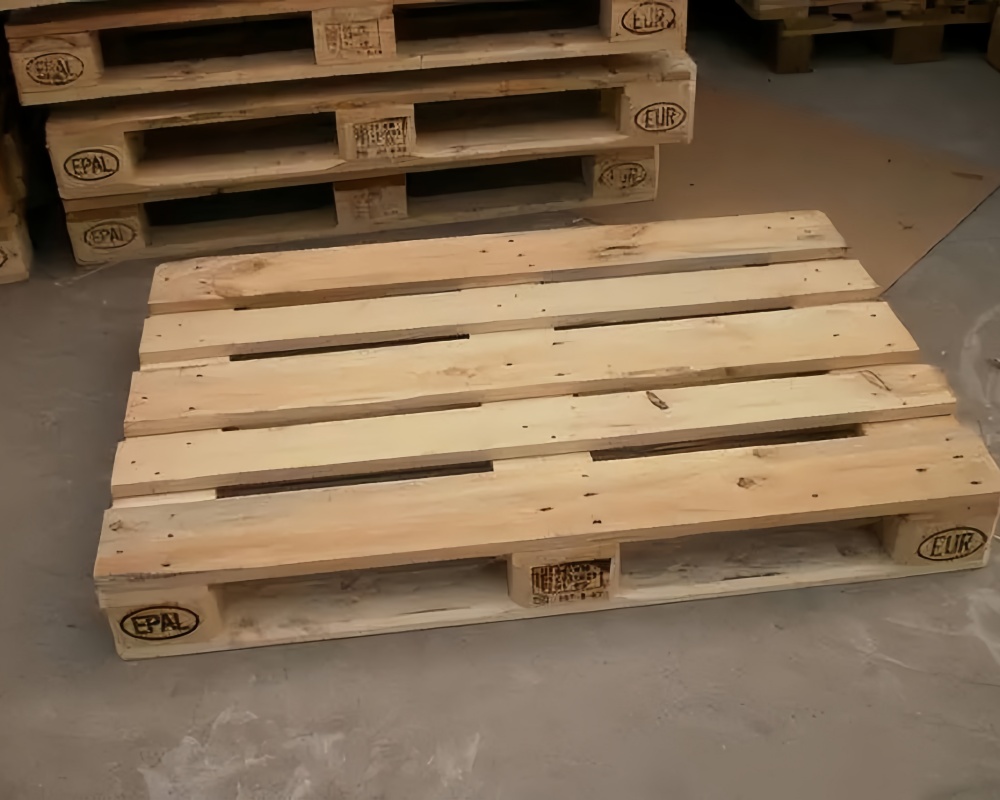
The international standard for wooden packaging issued by the Temporary Plant Committee of the International Plant Protection Convention was adopted on March 15, 2002. To regulate wooden packaging entering North America, the International Plant Quarantine Measures No. 15 standard was implemented in the United States, Mexico, and Canada on September 16, 2005. Countries that require mandatory fumigation: 25 member states of the European Union, the United States, Canada, Australia, New Zealand, etc. If other countries have no clear fumigation requirements for the market, it is recommended that wooden packaging still undergo fumigation treatment and issue a fumigation certificate.
Fumigation refers to the technical measure of using fumigants such as compounds to kill pests, bacteria, or other harmful organisms in a sealed environment. Common fumigation methods include: sulfur dioxide fluoride, EO, aluminum phosphide, bromomethane, and ethylene oxide. The heat treatment process generally involves: killing harmful organisms in the wooden pallet through high-temperature treatment, which is a physical treatment method. According to the standards issued by the International Plant Protection Convention (IPPC), the heat treatment must ensure that the center temperature of the wood reaches at least 56°C and remains for more than 30 minutes.
Heat treatment process:
Preheating stage: Send the wooden pallets into the drying oven and gradually increase the temperature to the target temperature.
Constant temperature stage: Ensure that the center temperature of the wood reaches above 56°C and maintain for at least 30 minutes.
Cooling stage: After the heat treatment is completed, remove the wooden pallets from the drying oven and allow them to cool naturally or under forced cooling to room temperature.
Marking: Cover with an IPPC stamp, with the letter "HT" in the lower left corner representing heat treatment.
Drug fumigation process:
Preparation stage: Stack the wooden pallets neatly and cover them tightly with a tarpaulin to form a sealed environment. At the same time, leave a corner as a drug injection port.
Drug injection stage: Place a basin of water below the tarpaulin and beside the goods. Pour the fumigant into the water. The fumigant will evaporate and penetrate the interior of the wooden pallet through the water vapor.
Fumigation stage: Ensure that the wooden pallets remain in a completely sealed state for at least 16 hours to allow the fumigant to fully exert its effect.
Ventilation stage: After fumigation, open the tarpaulin for ventilation and wait for the fumigant concentration to drop below the safe range, usually requiring 18-24 hours.
Marking stage: Cover with an IPPC stamp again, with the letter "MB" in the lower left corner representing methyl bromide fumigation treatment.
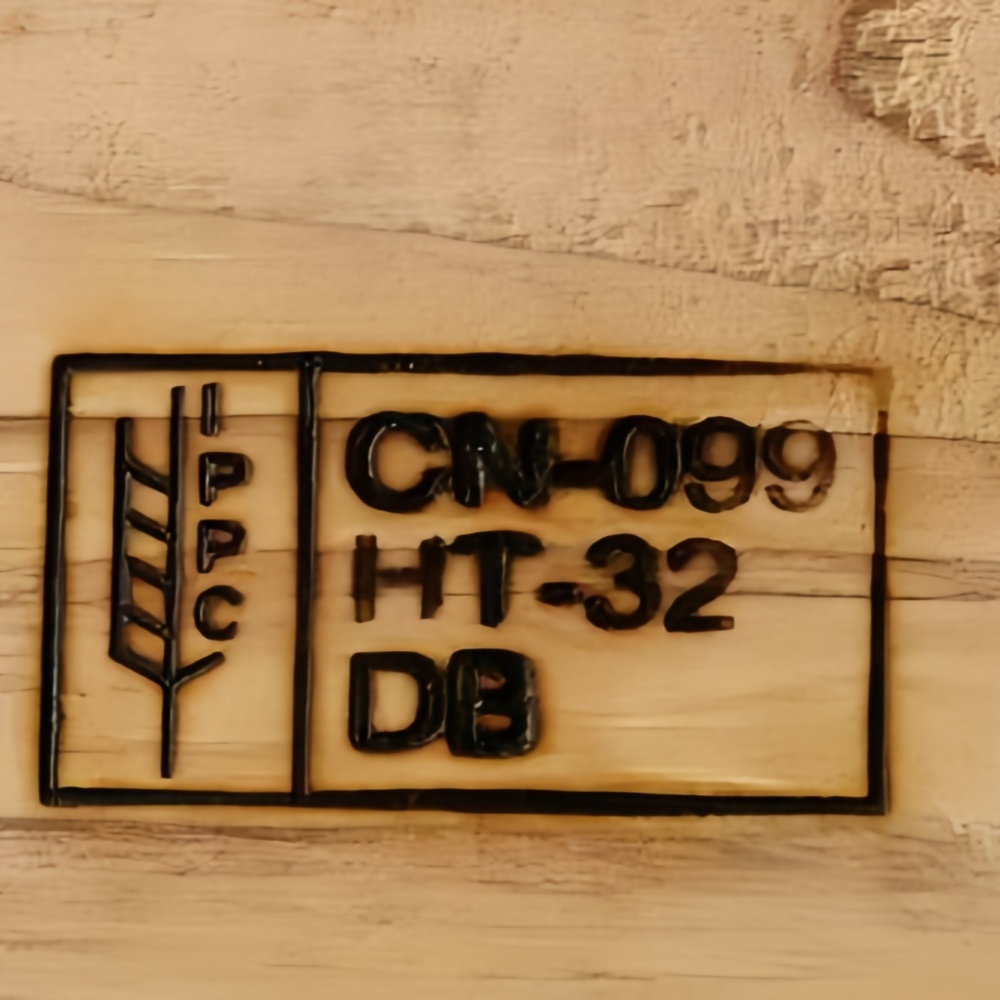
After fumigation of wooden packaging or pallets, fumigation marks will be displayed. The fumigation marks and certificates of the goods are important proof documents for customs to determine whether the goods are reasonable. The meanings of the numbers and letters in the fumigation marks are as follows:
Left side: IPPC-specific mark (wheat ear + vertically written IPPC) Right side: Two lines of text
The three-digit number included in the marking (such as 000) is the registration number of the enterprise applying for the fumigation treatment of wooden packaging for export, used to uniquely identify the institution implementing the fumigation treatment.
Treatment method code MB: Methyl bromide fumigation (methyl bromide is a common fumigant).
HT: Heat treatment (heating the wood to above 56°C for 30 minutes).
Country code CN: Chinese national code, indicating that the wooden packaging material comes from China.
Using fumigated wooden pallets complies with international regulations, prevents the cross-border spread of harmful organisms, and ensures the smooth customs clearance of the goods.
Reducing unnecessary troubles for compliant customs clearance: The IPPC stamp is the key to customs quick release. Avoid claims or returns due to pests, reduce unnecessary losses, and increase the competitiveness of the enterprise.
 +86-0917-3217876
 18292732691
 No. 28, Middle section, Baoti Road, Weibin District, Baoji, Shaanxi
 marketing@ymdtitanium.com
 www.ymdtitanium.com


 English
 简体中文
简体中文
 18292732691
 marketing@ymdtitanium.com
 zyh2968808781
 +86 18292732691
 .cid.b0f8e930cd0ba28e
